10 Best Things to Do in Liberia

The 10 best things to do in Liberia highlight cultural landmarks, natural wonders, and coastal retreats that define the...

add

The 10 best things to do in Liberia highlight cultural landmarks, natural wonders, and coastal retreats that define the nation’s unique appeal. Visitors can explore Monrovia to experience the National Museum of Liberia, Providence Island, and bustling waterside markets. Robertsport offers pristine beaches and world-class surfing along the Atlantic coast. Sapo National Park provides rainforest treks and opportunities to observe rare wildlife and diverse bird species. Buchanan presents quiet beaches and a relaxed seaside atmosphere. Gbarnga showcases cultural heritage and the scenic countryside. Harper combines historic architecture with stunning Atlantic views. Mount Nimba, a UNESCO-listed natural reserve, allows hiking and wildlife observation across Liberia, Guinea, and Côte d’Ivoire. Kakata introduces lively markets and traditional crafts that reflect local life. Providence Island, a historic site, commemorates the arrival of freed African American settlers. Lake Piso, the largest lake in Liberia, invites birdwatching and peaceful nature escapes. The destinations represent the top things to do in Liberia and the remarkable places to visit in Liberia, offering a complete guide to notable Liberia places to visit.

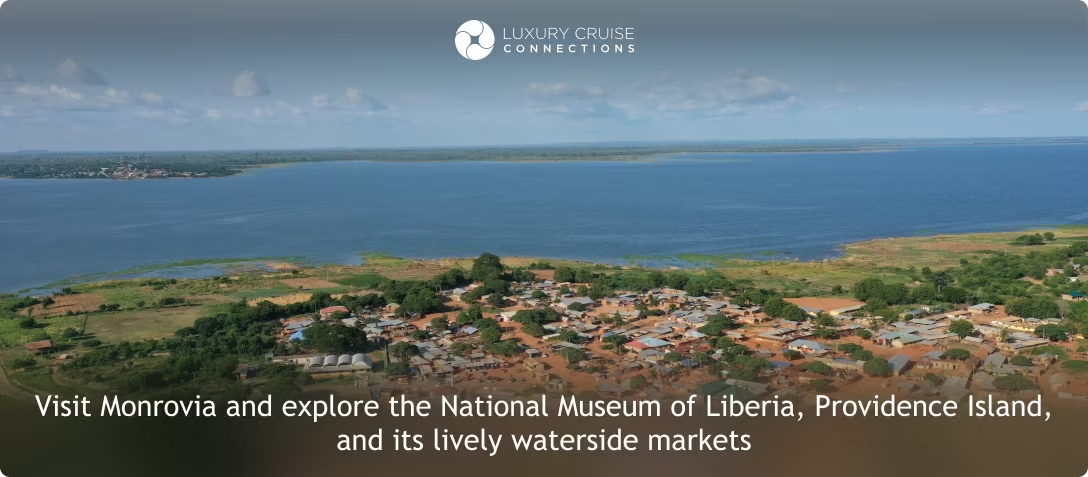
  • Visit Monrovia and explore the National Museum of Liberia, Providence Island, and its lively waterside markets
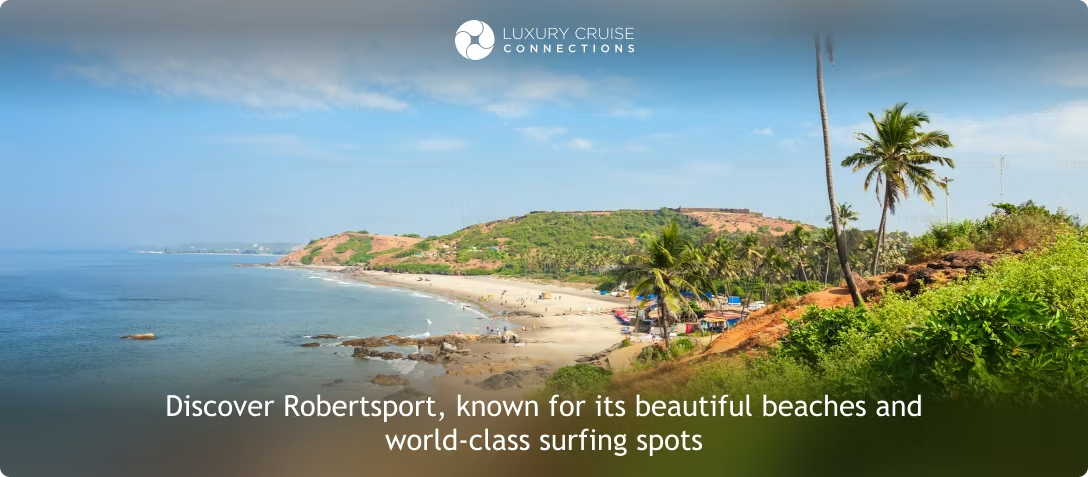
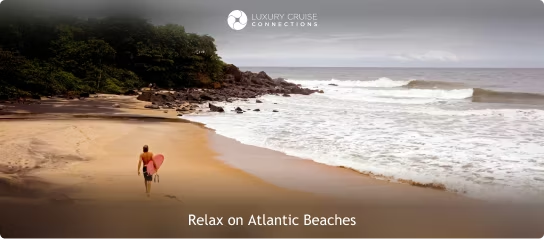
  • Discover Robertsport, known for its beautiful beaches and world-class surfing spots
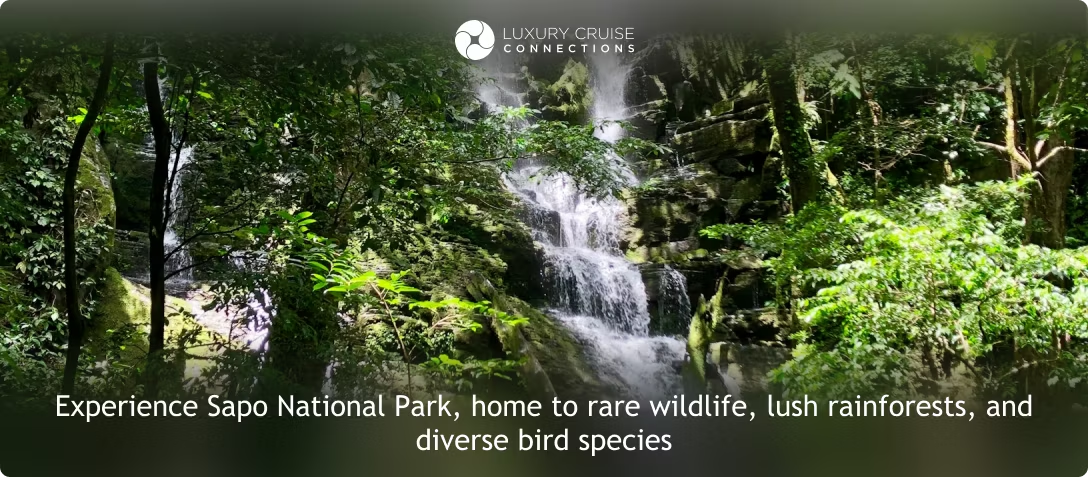
  • Experience Sapo National Park, home to rare wildlife, lush rainforests, and diverse bird species
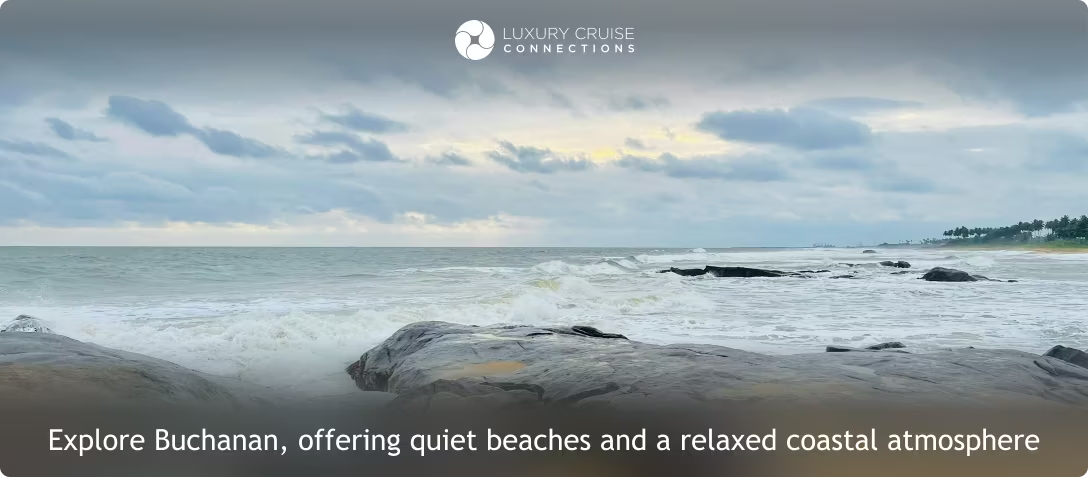
  • Explore Buchanan, offering quiet beaches and a relaxed coastal atmosphere
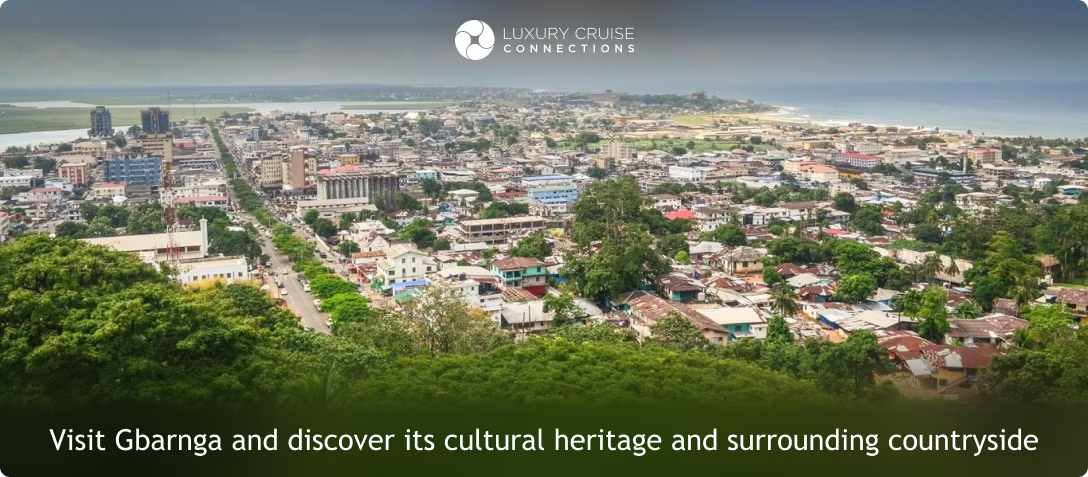
  • Visit Gbarnga and discover its cultural heritage and surrounding countryside
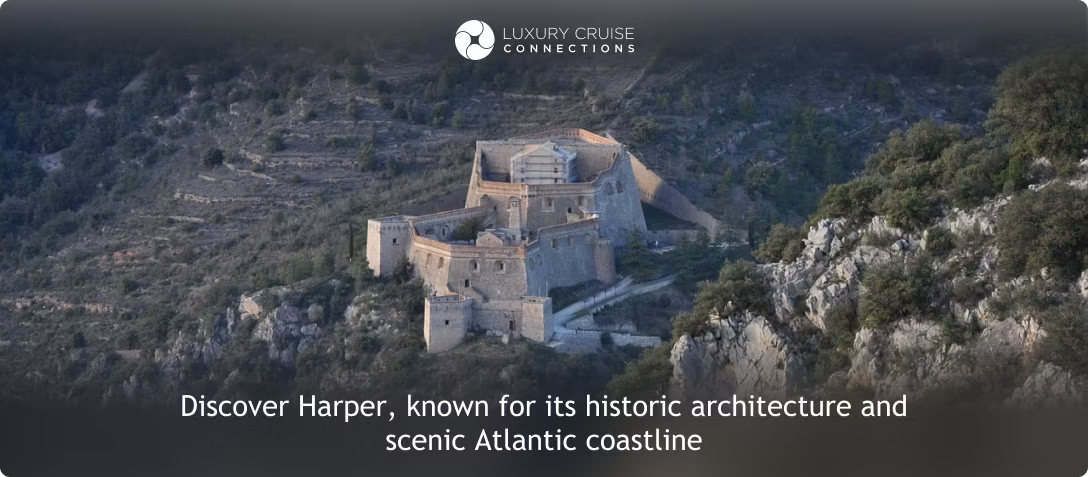
  • Discover Harper, known for its historic architecture and scenic Atlantic coastline
  • Explore Mount Nimba, a UNESCO-listed natural reserve shared by Liberia, Guinea, and Côte d’Ivoire
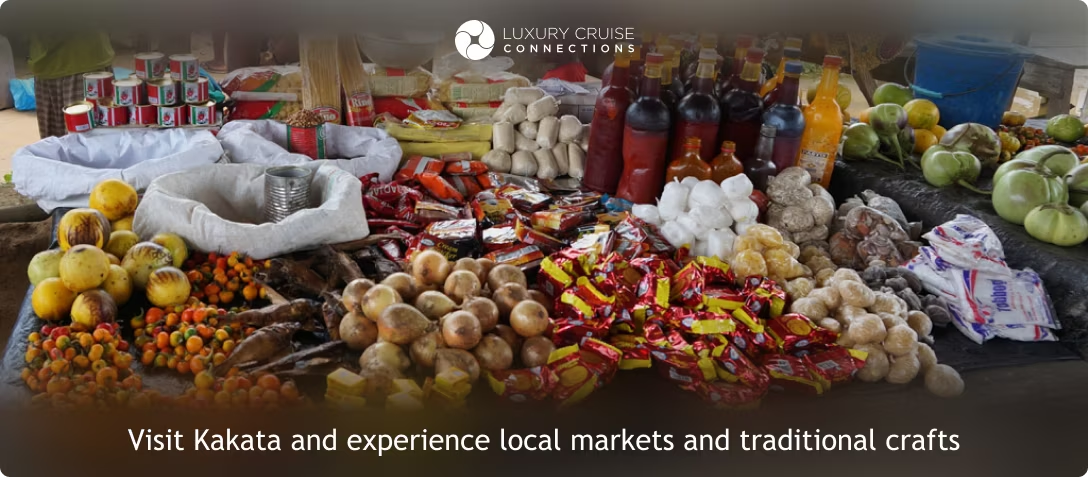
  • Visit Kakata and experience local markets and traditional crafts
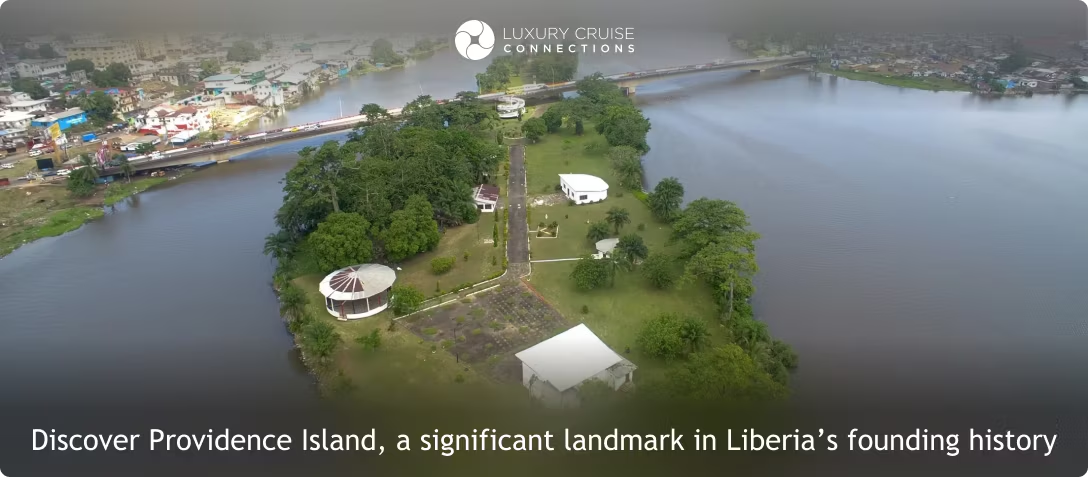
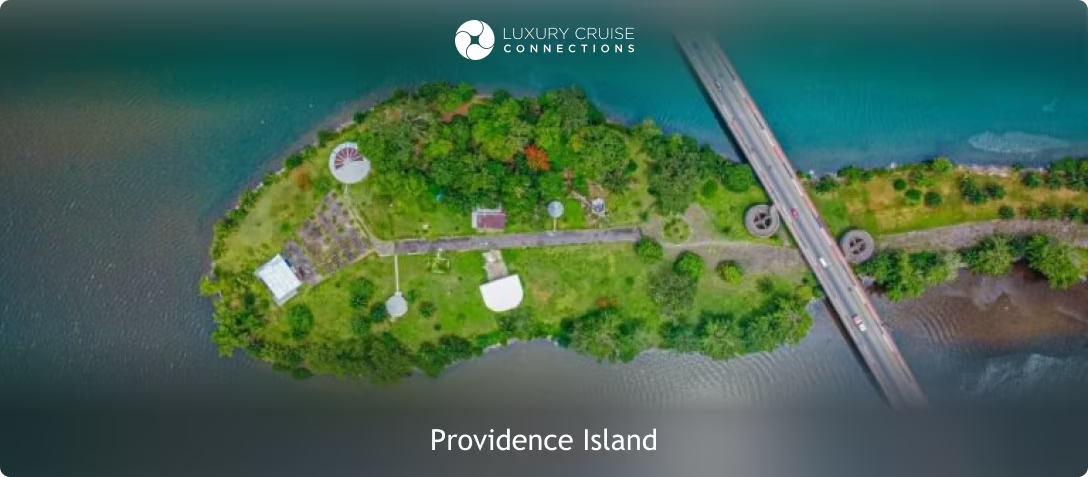
  • Discover Providence Island, a significant landmark in Liberia’s founding history
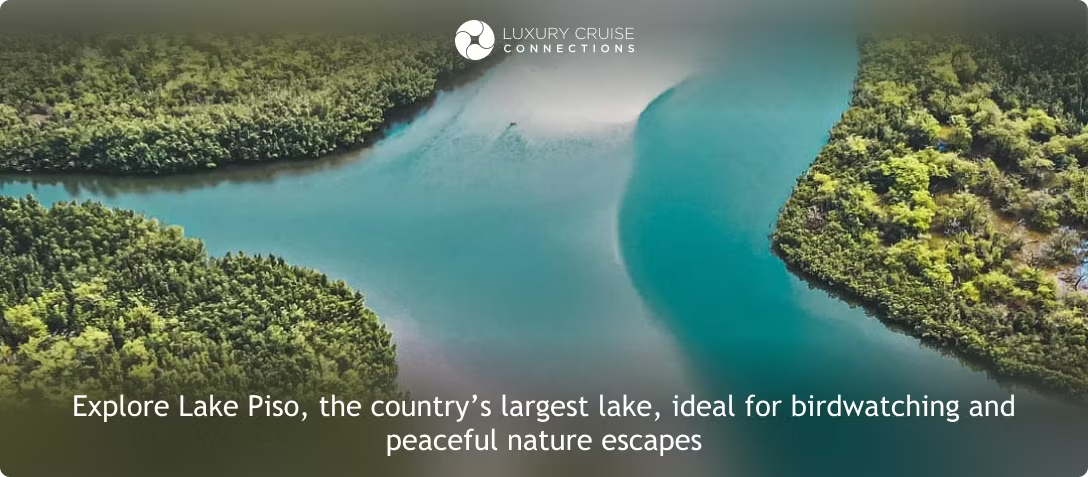
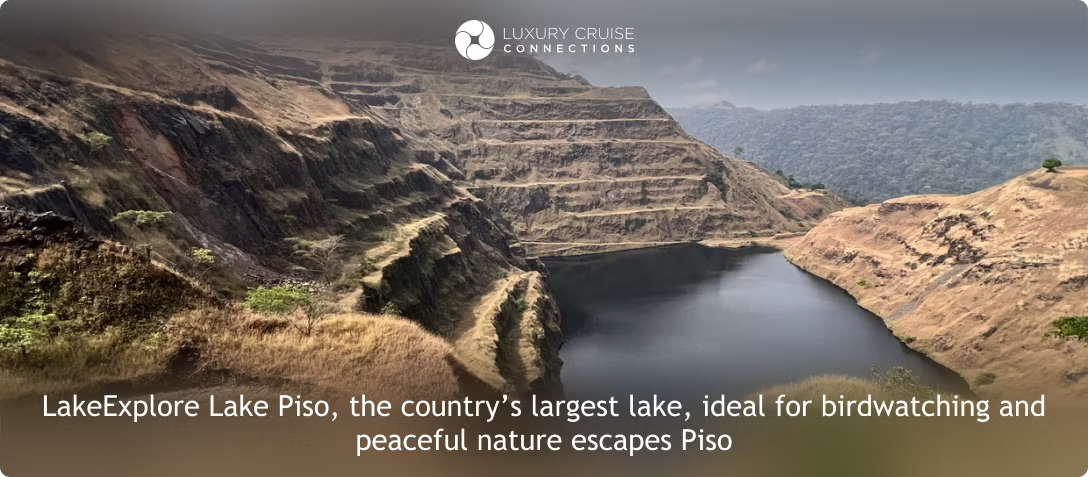
  • Explore Lake Piso, the country’s largest lake, ideal for birdwatching and peaceful nature escapes
  • Visit Monrovia and explore the National Museum of Liberia, Providence Island, and its lively waterside markets

    Monrovia lies along the Atlantic coast in southwestern Liberia near the Mesurado River. The capital city functions as the political, economic, and historical center of the country. Urban streets combine colonial era architecture, government buildings, and active port facilities. Coastal humidity and ocean views shape daily life. Cultural identity appears strongly in public monuments and heritage institutions across the city.
    Visit Monrovia and explore the National Museum of Liberia, Providence Island, and its lively waterside markets

    The National Museum of Liberia preserves ceremonial masks, royal artifacts, and presidential memorabilia that document national history. Providence Island marks the 1822 landing site of freed African Americans and symbolizes the founding of the republic. Waterside Market operates as the busiest commercial hub in the capital, where traders sell textiles, palm oil, cassava, dried fish, and handmade crafts. Historic landmarks and energetic market scenes define the core attractions.

    Visitors walk through museum galleries that display indigenous heritage and settlement history. Travelers explore riverfront grounds on Providence Island and observe monuments overlooking the Mesurado River. Guests navigate crowded market lanes filled with bargaining vendors and vibrant trade. Local cuisine features rice dishes, palm butter stew, grilled fish, and pepper soup served in nearby eateries.

    Dry season from November to April provides clearer skies and easier road conditions.

    Licensed local guides charge [$20 to $50] per half day tour depending on group size.

    National Museum entry ranges from [$5 to $10]. Providence Island access ranges from [$2 to $5].

  • Discover Robertsport, known for its beautiful beaches and world-class surfing spots

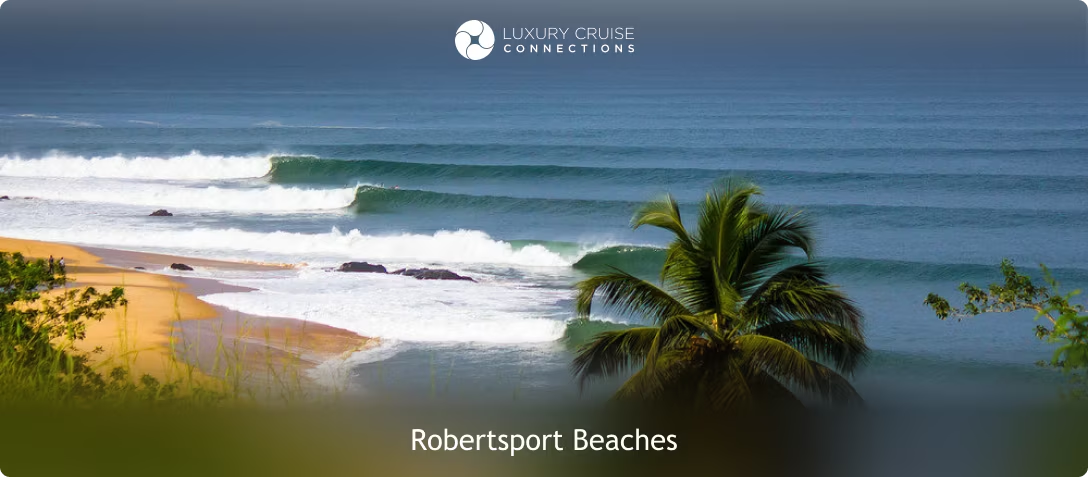
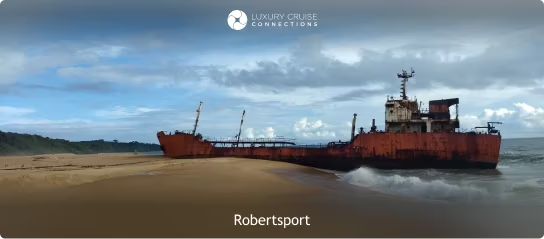
    Coastal scenery defines Robertsport as one of Liberia’s most picturesque destinations. The town sits along the Atlantic Ocean near the Sierra Leone border and features long stretches of golden sand, rolling waves, and palm-lined shores. Robertsport gained international recognition for its consistent surf breaks and relaxed seaside atmosphere. Fishing villages and historic colonial-style buildings reflect the town’s Americo-Liberian heritage.
    Discover Robertsport, known for its beautiful beaches and world-class surfing spots

    Surfers travel to Robertsport for legendary breaks including Cotton Trees and Fisherman’s Point, both offering powerful, clean waves suitable for experienced riders. Beach walks at sunset provide panoramic ocean views and tranquil surroundings. Lake Piso, located nearby, offers birdwatching opportunities and scenic canoe rides.

    Visitors experience uncrowded beaches, warm Atlantic waters, and a welcoming local surf community. Evenings bring peaceful ocean breezes and clear star-filled skies. Adventure blends naturally with cultural immersion, creating a laid-back coastal escape ideal for relaxation and exploration.

    Dry season from November to April offers clearer skies, calmer coastal waters, and improved road access to Robertsport. Surf conditions remain consistent during these months,

    : Licensed local surf guides charge [$20 to $50] per half-day session, depending on group size and lesson type. Guides assist with board rentals, tide timing, and identifying the safest surf breaks based on experience level.

    Public beach access remains free in most areas. Surfboard rentals typically range from [$10 to $25] per day. Organized surf lessons generally range from [$30 to $60] per session.

  • Experience Sapo National Park, home to rare wildlife, lush rainforests, and diverse bird species

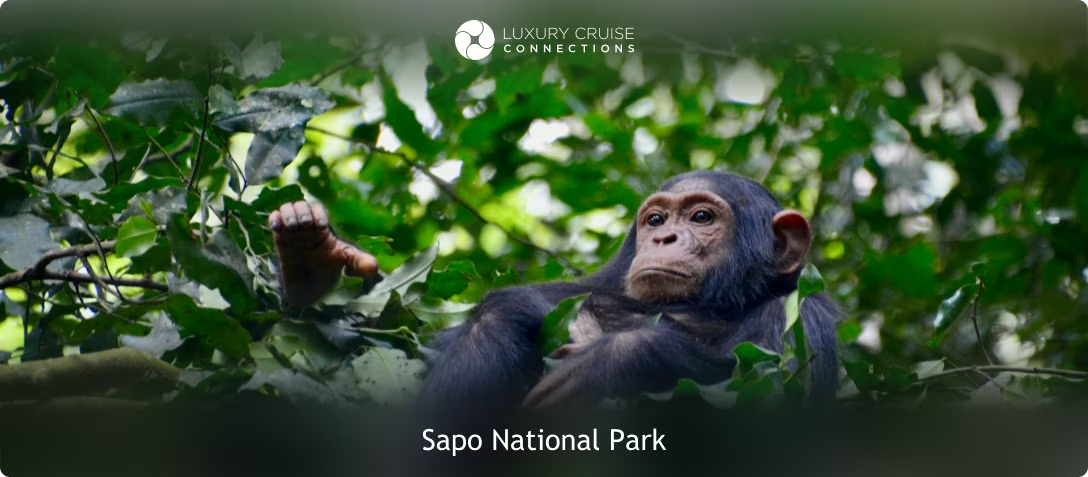
    Dense tropical rainforest defines Sapo National Park as Liberia’s largest protected area. The park covers approximately 1,804 square kilometers in southeastern Liberia and preserves one of West Africa’s most important remaining blocks of Upper Guinean rainforest. Rich biodiversity thrives within the park, including endangered mammals, rare primates, forest elephants, and more than 500 recorded bird species.
    Experience Sapo National Park, home to rare wildlife, lush rainforests, and diverse bird species

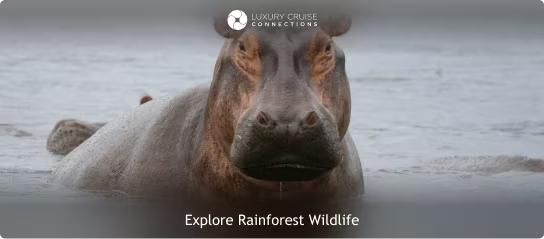
    Wildlife tracking stands as a primary attraction, with chances to observe pygmy hippos, Diana monkeys, and forest duikers. Guided rainforest treks reveal towering hardwood trees, medicinal plants, and hidden river systems. Birdwatching opportunities attract researchers and nature enthusiasts seeking hornbills, kingfishers, and rare endemic species.

    Immersive jungle exploration defines a visit to the park. Visitors navigate dense forest trails, cross streams, and listen to constant rainforest sounds. Remote wilderness surroundings create a raw, untouched atmosphere ideal for eco-adventure travelers.

    Dry season from November to April provides more accessible trails and reduced rainfall.

    Certified park guides are required for entry and typically charge [$25 to $60] per day depending on trek length and group size.

    Park entrance fees generally range from [$10 to $20] per person. Camping permits may require additional payment.

  • Explore Buchanan, offering quiet beaches and a relaxed coastal atmosphere

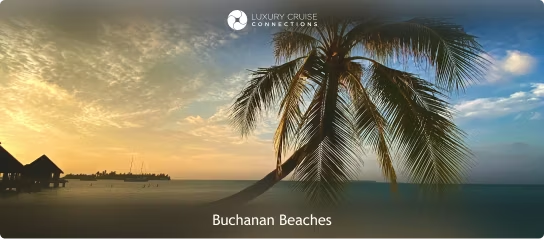
    Coastal charm defines Buchanan as one of Liberia’s most peaceful seaside destinations. Located in Grand Bassa County, Buchanan features wide sandy beaches, swaying palm trees, and calm Atlantic waters. The city maintains a slower pace than the capital, creating an inviting setting for travelers seeking relaxation and ocean views. Fishing traditions and local coastal culture shape daily life along the shoreline.
    Explore Buchanan, offering quiet beaches and a relaxed coastal atmosphere

    Sunset walks along deserted beaches provide uninterrupted ocean panoramas. Fresh seafood served at local beachside spots delivers authentic coastal flavors. Boat rides along the shoreline reveal scenic stretches of undeveloped coast and small fishing communities.

    Visitors experience quiet mornings with ocean breezes and evenings marked by vibrant sunsets. The atmosphere promotes rest, reflection, and connection with nature. Gentle waves and open beaches create an ideal environment for swimming and beach relaxation.

    Dry season from November to April ensures sunnier days and more comfortable travel conditions.

    Local guides offer coastal tours or fishing excursions, typically charging [$15 to $40] depending on activity length.

    Public beach access remains free. Organized boat rides generally range from [$10 to $30].

  • .Visit Gbarnga and discover its cultural heritage and surrounding countryside

    Inland character defines Gbarnga as a cultural and educational center in central Liberia. The city serves as the capital of Bong County and reflects strong traditional heritage rooted in local communities. Agricultural landscapes, rolling hills, and nearby villages surround the urban core, creating a blend of rural scenery and small-city life.
    .Visit Gbarnga and discover its cultural heritage and surrounding countryside

    Visits to Cuttington University showcase one of Liberia’s historic higher education institutions. Local markets display handmade crafts, traditional textiles, and fresh farm produce. Scenic countryside drives reveal farms, forest patches, and community settlements.

    Visitors experience authentic Liberian daily life through community interaction, cultural storytelling, and traditional cuisine. Rural surroundings provide a peaceful atmosphere ideal for slow travel and cultural immersion.

    Dry season from November to April ensures smoother road access and more comfortable exploration.

    Local cultural guides charge [$15 to $40] per day depending on itinerary length.

    Town attractions remain free. Organized cultural tours typically range from [$10 to $25].

  • Discover Harper, known for its historic architecture and scenic Atlantic coastline

    Coastal heritage defines Harper as one of Liberia’s historically distinctive towns. Located in Maryland County near the Ivory Coast border, Harper features colonial-era architecture, dramatic Atlantic views, and quiet seaside streets. The town reflects strong Americo-Liberian influence visible in its old churches, government buildings, and residential structures overlooking the ocean.
    Discover Harper, known for its historic architecture and scenic Atlantic coastline

    Cape Palmas stands as a major landmark, offering panoramic ocean scenery and rugged coastal cliffs. Historic churches and abandoned colonial buildings provide insight into 19th-century settlement history. Secluded beaches surrounding the town create peaceful walking routes along the shoreline.

    Visitors experience a blend of history and natural beauty. Ocean breezes move through palm-lined streets, creating a calm and reflective atmosphere. Cliffside viewpoints deliver striking Atlantic sunsets. Cultural encounters with local communities add authenticity to the visit.

    Dry season from November to April ensures smoother road travel and clearer coastal views.

    Dry season from November to April ensures smoother road travel and clearer coastal views.

    Outdoor attractions remain free. Guided heritage tours generally range from [$10 to $30].

  • Explore Mount Nimba, a UNESCO-listed natural reserve shared by Liberia, Guinea, and Côte d’Ivoire

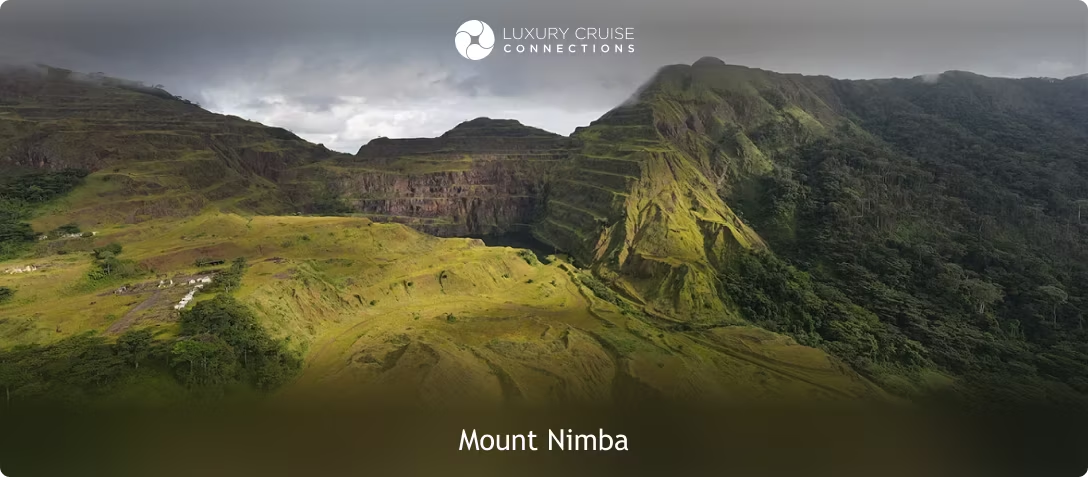
    Ecological significance defines Mount Nimba as one of West Africa’s most important conservation areas. The mountain range extends across Liberia, Guinea, and Côte d’Ivoire and forms part of the Mount Nimba Strict Nature Reserve. UNESCO designated the reserve as a World Heritage Site due to its exceptional biodiversity, rare species, and varied ecosystems ranging from lowland forest to montane grassland
    Explore Mount Nimba, a UNESCO-listed natural reserve shared by Liberia, Guinea, and Côte d’Ivoire

    Guided hikes reveal high-altitude viewpoints overlooking three countries. Rare wildlife inhabits the reserve, including the Nimba otter shrew and endangered chimpanzee populations. Unique plant species grow in isolated mountain habitats shaped by elevation and climate.

    Visitors experience dramatic landscapes, mist-covered peaks, and remote wilderness conditions. Trekking routes pass through dense forest and open savanna-like plateaus. Birdwatching opportunities attract conservation enthusiasts and researchers.

    Authorized conservation guides are required and typically charge [$30 to $70] per day depending on trek length

    Dry season from November to April ensures safer trekking conditions and clearer mountain views.

    Entry permits generally range from [$15 to $25]. Additional conservation fees may apply

  • Visit Kakata and experience local markets and traditional crafts

    Cultural vibrancy defines Kakata as a lively commercial center in Margibi County. Located northeast of Monrovia along the main highway, Kakata serves as an important trading hub connecting rural farming communities to urban markets. The town reflects authentic Liberian daily life through bustling marketplaces, roadside vendors, and traditional craftsmanship rooted in local heritage.
    Visit Kakata and experience local markets and traditional crafts

    Central market activity stands as the primary attraction, where vendors sell fresh produce, smoked fish, palm oil, woven baskets, and handmade goods. Traditional craft displays include carved wooden items and locally produced textiles. Nearby rubber plantations provide insight into Liberia’s agricultural economy.

    Visitors experience energetic market scenes filled with color, conversation, and local flavors. Community interaction offers cultural immersion beyond typical tourist settings. Authentic street food and handcrafted products create a direct connection to regional traditions.

    Local cultural guides charge [$15 to $35] per half-day tour depending on group size.

    Dry season from November to April ensures easier road access and comfortable exploration.

    Market entry remains free. Guided tours typically range from [$10 to $25].

  • Discover Providence Island, a significant landmark in Liberia’s founding history

    Historical importance defines Providence Island as one of the most symbolic sites in Liberia’s national story. Located at the mouth of the Mesurado River in Monrovia, the island marks the landing place of freed African American settlers in 1822 under the sponsorship of the American Colonization Society. The site represents the early foundation of the Liberian republic and remains central to understanding the nation’s origins.
    Discover Providence Island, a significant landmark in Liberia’s founding history

    Historic monuments and commemorative structures trace Liberia’s early settlement period. Guided heritage tours explain the arrival of the settlers, early governance formation, and the development of Monrovia. Scenic river views surrounding the island create a reflective atmosphere.

    Visitors experience a meaningful connection to Liberia’s founding narrative through preserved landmarks and storytelling. Quiet walking paths allow exploration at a relaxed pace, blending historical insight with riverside scenery.

    Local historical guides typically charge [$15 to $30] per tour.

    Dry season from November to April ensures comfortable walking conditions and clearer views.

    Entrance fees generally range from [$2 to $5].

  • Explore Lake Piso, the country’s largest lake, ideal for birdwatching and peaceful nature escapes

    Natural beauty defines Lake Piso as Liberia’s largest lake and one of its most tranquil ecological zones. Located near Robertsport in Grand Cape Mount County, the lake connects to the Atlantic Ocean through a narrow inlet. Mangroves, wetlands, and surrounding forests create a rich habitat supporting aquatic life and migratory birds.
    Explore Lake Piso, the country’s largest lake, ideal for birdwatching and peaceful nature escapes

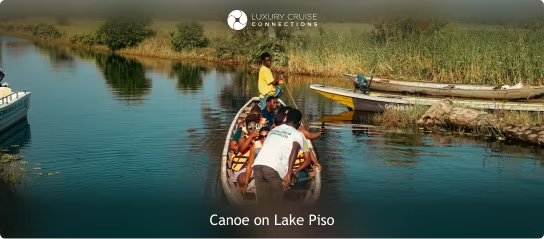
    Birdwatching stands as the primary attraction, with sightings of herons, kingfishers, egrets, and seasonal migratory species. Canoe rides across calm waters provide panoramic views of forested shorelines. Fishing excursions offer insight into local livelihoods and traditional techniques.

    Visitors experience still waters, gentle breezes, and uninterrupted natural surroundings. Early mornings deliver mist-covered landscapes ideal for photography. Quiet exploration fosters relaxation away from urban environments.

    Dry season from November to April provides clearer skies and better access to surrounding trails

    Local boat guides typically charge [$15 to $40] depending on trip duration

    Lake access remains free. Canoe rentals generally range from [$10 to $25].


What are the Most Popular Tourist Attractions in Liberia?

The most popular tourist attractions in Liberia are listed below.

  • Providence Island
  • Sapo National Park
  • Mount Nimba
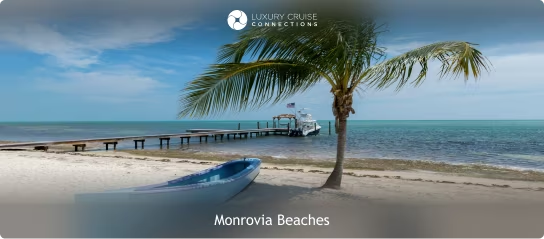
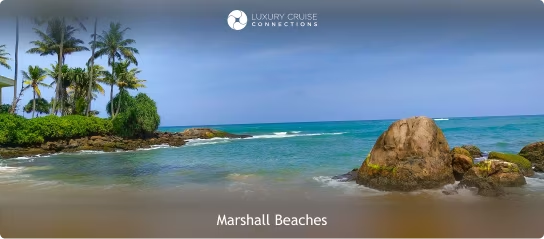
  • Robertsport Beaches
  • Lake Explore Lake Piso


What are Some Fun Things to Do in Liberia

Some fun things to do in Liberia are listed below.


Where Can Visitors Find the Best Liberia Beaches?

Visitors find the best Liberia beaches in the list below.


What are the Best Things to Do in Liberia for First-Time Visitors?

Best things to do in Liberia for first-time visitors are listed below.

Robertsport stands as Liberia’s most iconic beach and surf destination, featuring wide Atlantic shorelines and rolling waves.
Sapo National Park offers one of West Africa’s most significant rainforest reserves.
Monrovia provides cultural orientation through historic landmarks and local markets.
Lake Piso features calm lagoon waters, abundant birdlife, and scenic canoe excursions.
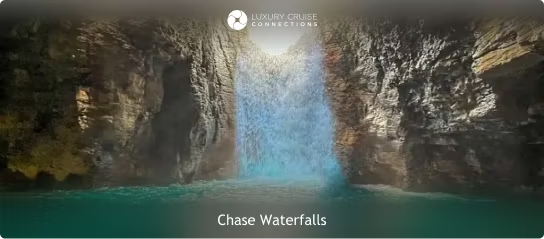
Kpatawee Waterfall presents cascading forest scenery and refreshing natural pools.

What makes Liberia a Beautiful Country to Visit?

Liberia is a beautiful country to visit because it combines unspoiled Atlantic coastlines, dense tropical rainforests, rich biodiversity, and meaningful cultural heritage within one destination. Natural landscapes dominate Liberia, creating scenic diversity concentrated in a single West African nation. 350 miles of coastline stretch along the Atlantic Ocean, offering wide sandy beaches in areas like Robertsport, where rolling waves and open horizons shape dramatic sunset views. Lush rainforest ecosystems enhance Liberia’s visual appeal. Protected areas like Sapo National Park preserve one of the largest remaining tracts of Upper Guinean rainforest in West Africa. The park shelters rare wildlife (pygmy hippos, forest elephants, over 500 bird species), reinforcing ecological richness. Elevated terrain in Mount Nimba introduces cooler climates, mist-covered peaks, and panoramic viewpoints. Cultural depth strengthens the country’s beauty through history and identity. Landmarks like Providence Island symbolize Liberia’s founding story, adding historical meaning to scenic surroundings. Liberia’s combination of coastline, rainforest, wildlife, mountains, and heritage creates a diverse and compelling travel destination.

What Are the Top Scenic Spots in Liberia for Pictures?

The top scenic spots in Liberia for pictures are Robertsport Beaches, Mount Nimba, Lake Piso, Kpatawee Waterfall, and Sapo National Park because the locations provide dramatic coastlines, elevated panoramas, reflective waters, cascading falls, and dense rainforest backdrops. Visual diversity defines Liberia’s photographic appeal through natural contrast and open landscapes. Coastal photography thrives in Robertsport, where wide sandy shores meet rolling Atlantic waves. Golden-hour sunsets create silhouette compositions against expansive horizons. Elevated landscape shots emerge from Mount Nimba, where mist-covered peaks and layered highlands provide panoramic depth. Reflective water scenes appear at Lake Piso, where calm lagoon surfaces mirror surrounding mangroves and sky tones. Forest-centered imagery stands out at Kpatawee Waterfall, where cascading water contrasts with dense greenery. Biodiversity-rich rainforest settings in Sapo National Park add wildlife and textured canopy layers to nature photography portfolios.

Where can Visitors Try the Best Liberian Food?

Visitors can try the best Liberian food in Monrovia at the established local restaurants and beachfront dining spots that specialize in traditional dishes. Culinary quality concentrates in Monrovia because the capital hosts the widest range of reputable restaurants serving authentic Liberian cuisine prepared with fresh local ingredients. Signature Liberian foods include cassava leaf stew, palm butter soup, dumboy (pounded cassava), and pepper soup, all rooted in indigenous culinary traditions. Coastal towns like Robertsport also feature fresh Atlantic seafood prepared with local spices. Monrovia remains the primary destination for visitors seeking authentic Liberian flavors in accessible, established restaurants.

How can I experience Local Culture in Liberia?

To experience local culture in Liberia, visitors should immerse in community life, explore historical landmarks, participate in traditional events, and engage with local artisans and cuisine. Cultural authenticity in Liberia becomes visible through interactions, heritage preservation, and indigenous traditions maintained across generations. Cultural exploration begins in Monrovia at the National Museum of Liberia, where exhibits present ceremonial masks, tribal regalia, and archival materials that document Liberia’s ethnic diversity and Americo-Liberian founding history.Market visits deepen cultural connection. Open-air markets showcase grown produce, palm oil, spices, woven textiles, and handcrafted goods, allowing meaningful interaction with vendors. Traditional music and dance performances during public celebrations reveal rhythmic drum patterns and masked storytelling rituals rooted in indigenous communities. Culinary participation strengthens immersion through dishes (cassava leaf stew, palm butter soup, dumboy) prepared in neighborhood restaurants. Direct engagement with residents, storytellers, cooks, and craftspeople provides the genuine cultural experience in Liberia.

Are there Activities in Liberia Perfect for Families with Children?

Yes, there are activities in Liberia that are perfect for families with children. Liberia’s combination of beaches, light nature excursions, cultural landmarks, and wildlife exposure creates engaging experiences appropriate for group travel with varying age levels. Coastal destinations in Robertsport provide wide sandy beaches where children can play in open spaces, swim in supervised areas, and enjoy relaxed shoreline walks. Calm-water activities at Lake Piso allow canoe rides and birdwatching in peaceful surroundings, offering safe outdoor engagement. Educational experiences strengthen family visits through guided tours at Providence Island and the National Museum of Liberia, where children learn about Liberia’s history and cultural heritage. Wildlife-focused excursions near Sapo National Park introduce rainforest biodiversity through structured, guided access. Liberia’s uncrowded environments, natural landscapes, and cultural storytelling create interactive and meaningful family-friendly experiences.

Are there Fun Things to Do in Liberia for Outdoor Adventures?h3>

Yes, there are fun things to do in Liberia for outdoor adventures through rainforest exploration, coastal recreation, waterfall excursions, and lagoon activities. Liberia’s natural landscape includes over 350 miles of Atlantic coastline, dense Upper Guinean rainforest, inland waterfalls, and expansive lagoons that support diverse outdoor experiences. Rainforest trekking and wildlife observation take place in Sapo National Park, where guided hikes introduce adventurers to chimpanzees, forest elephants, and rare bird species. Surfing and beach activities thrive in Robertsport, known for consistent Atlantic waves and wide sandy shores suitable for swimming and sunset walks. Water-based exploration continues at Lake Piso, where canoeing across calm waters offers birdwatching and scenic lagoon views. Forest excursions to Kpatawee Waterfall provide light hiking and refreshing natural pools. Liberia’s combination of coastline, rainforest, waterfalls, and wildlife creates varied and engaging outdoor adventure opportunities.

Best Things to Do Around the World

Discover the best activities, landmarks, and experiences in every cruise destination and port of call.

Europe Western, Central & Mediterranean
America North, Central, South & Caribbean
Africa & Asia Oceania & Antarctica