10 Best Things to Do in Kenya

The 10 best things to do in Kenya include witnessing large-scale wildlife migrations, hiking volcanic mountains, explori...

add

The 10 best things to do in Kenya include witnessing large-scale wildlife migrations, hiking volcanic mountains, exploring Swahili coastal towns, and discovering ancient ruins. Visiting the Maasai Mara, viewing Mount Kilimanjaro from Amboseli, and relaxing along the Indian Ocean coastline represent top experiences across the country. Kenya is a vast East African nation with a rich ancient history, modern megacities, and diverse landscapes that range from savannas and deserts to highlands and tropical beaches. Travelers searching for diverse things to do in Kenya encounter wildlife safaris, archaeological heritage, and urban exploration within one country. Nairobi stands as a growing megacity with skyline views, while rural reserves preserve traditional cultures and ecosystems. Historic settlements, coral beaches, and volcanic valleys represent some of the most iconic places to visit in Kenya. Natural parks, heritage towns, and geological wonders define the range of Kenya places to visit available across the region.

  • Visit the Maasai Mara National Reserve
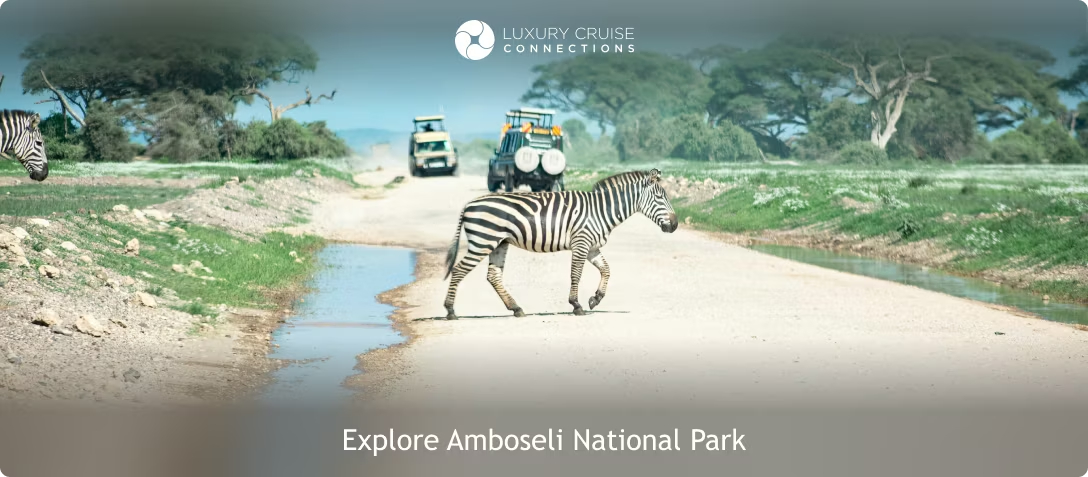
  • Explore Amboseli National Park
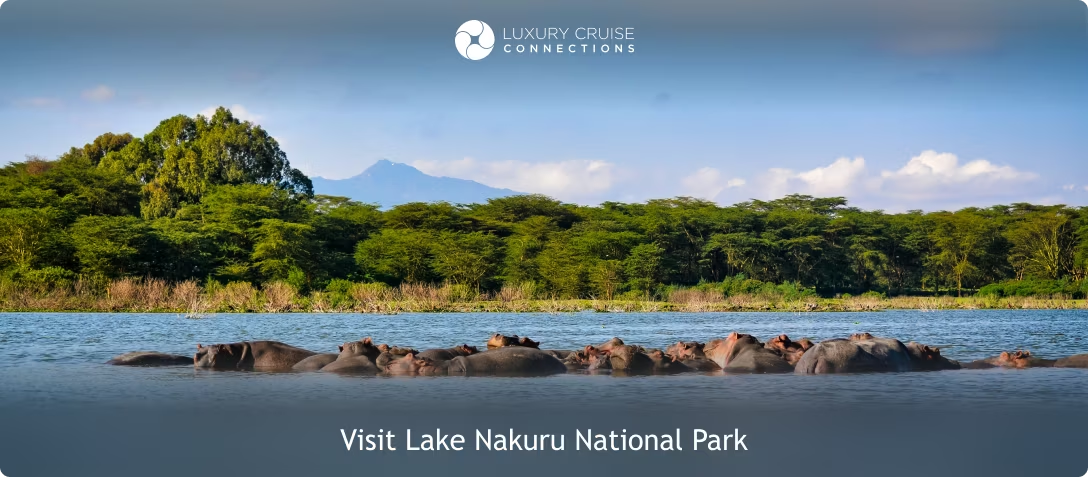
  • Visit Lake Nakuru National Park
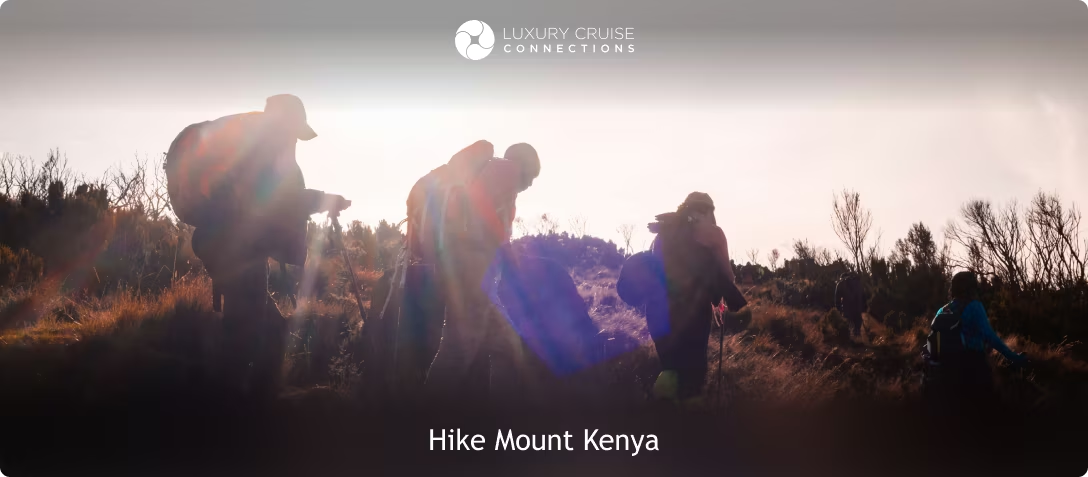
  • Hike Mount Kenya
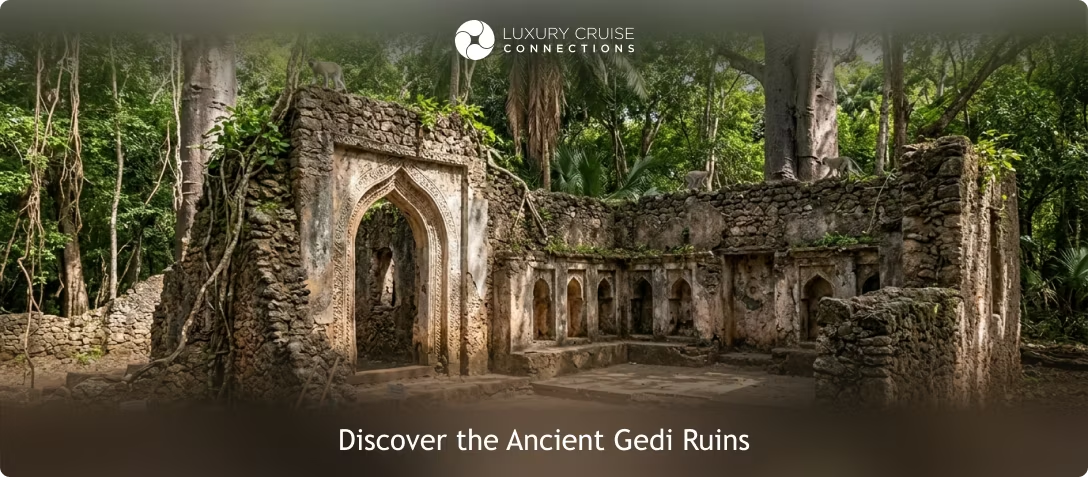
  • Discover the Ancient Gedi Ruins
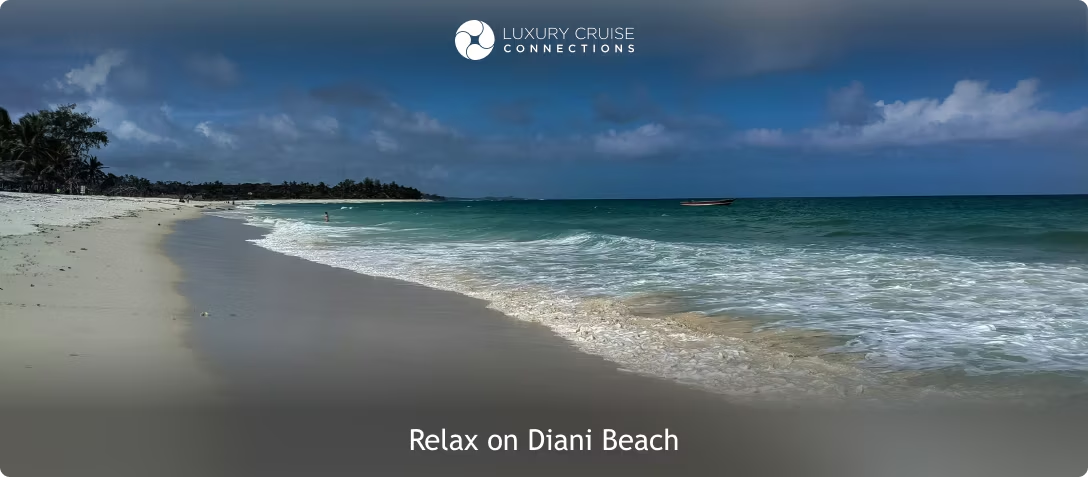
  • Relax on Diani Beach
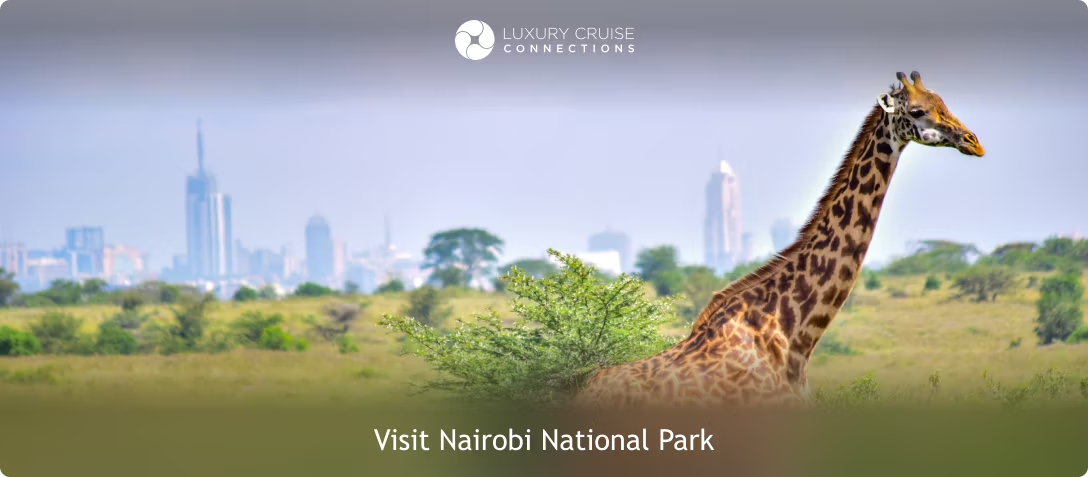
  • Visit Nairobi National Park
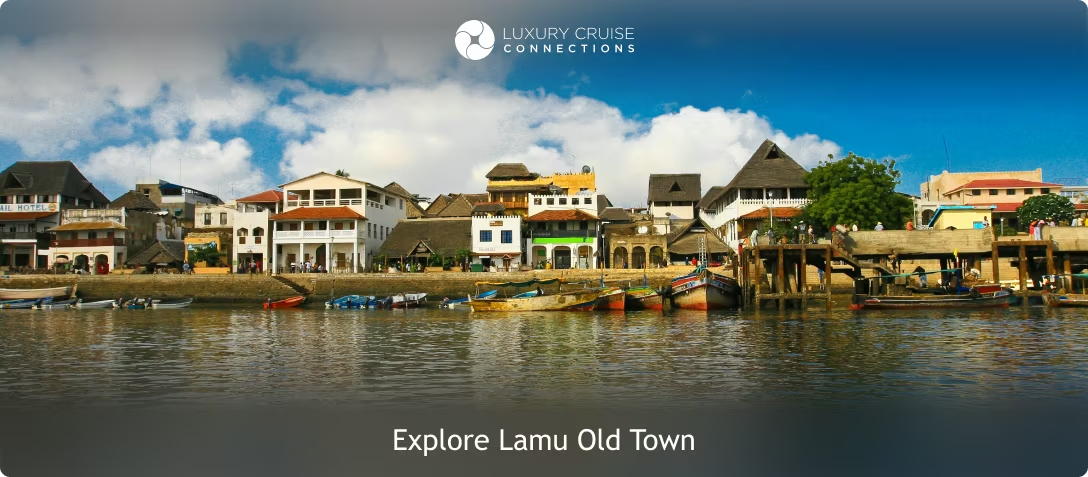
  • Explore Lamu Old Town
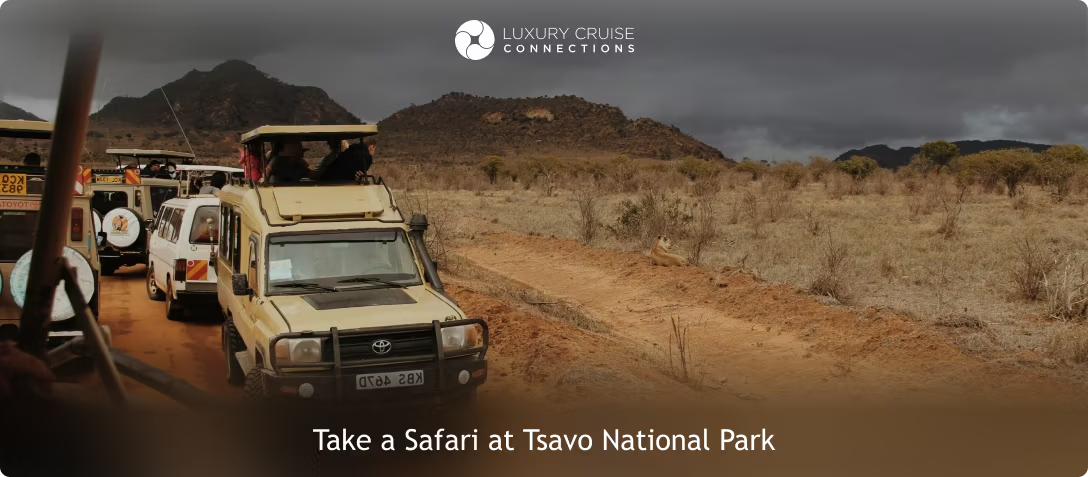
  • Take a Safari at Tsavo National Park
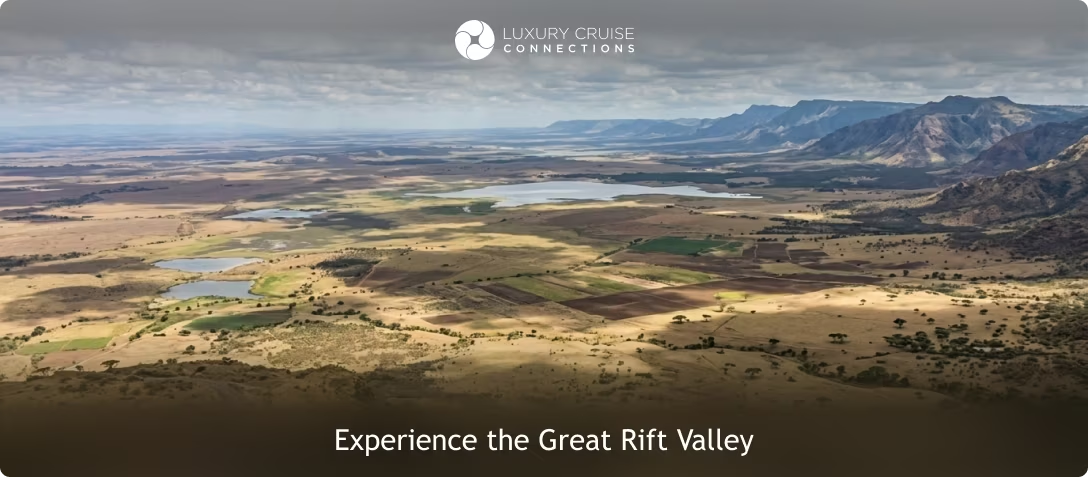
  • Experience the Great Rift Valley
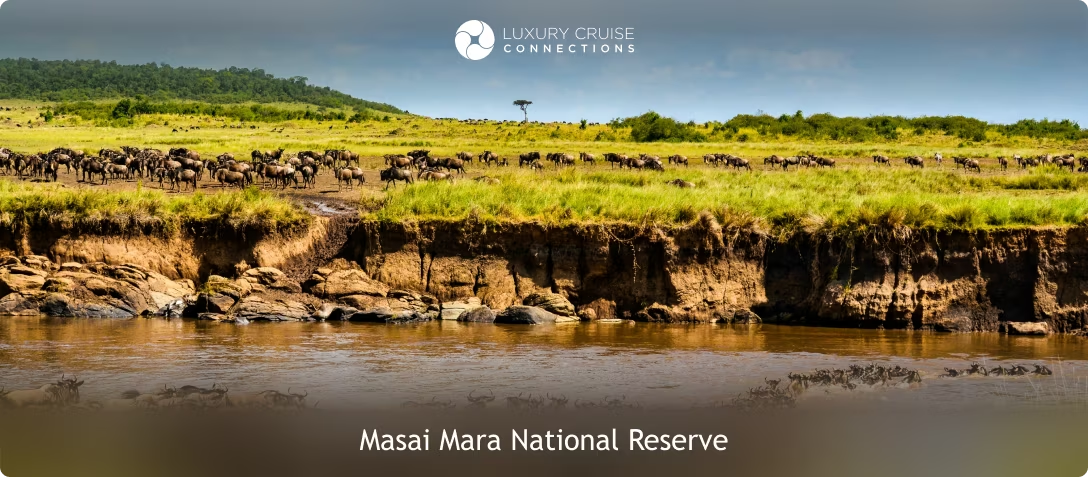
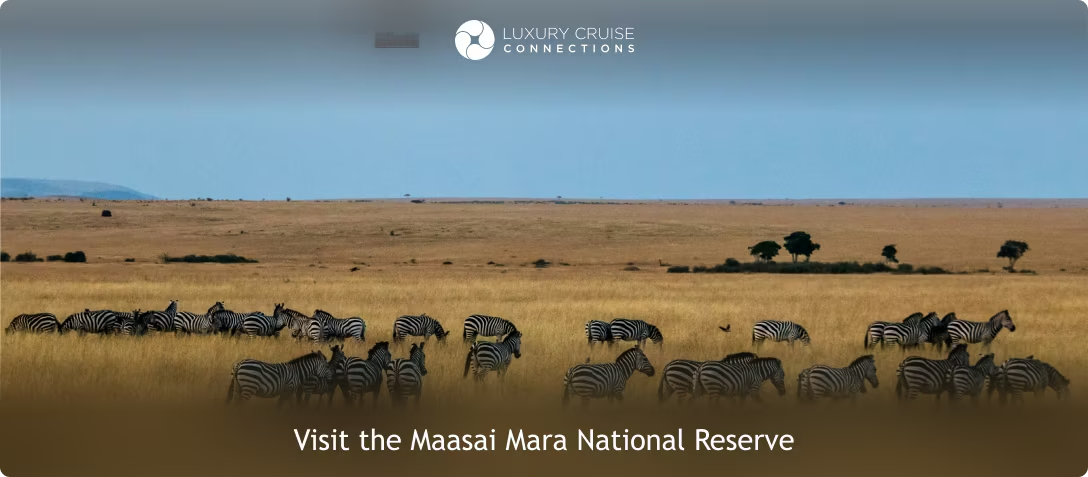
  • Visit the Maasai Mara National Reserve and Witness the Great Migration.

    The Maasai Mara National Reserve is located in southwestern Kenya, near the border with Tanzania. The Maasai Mara National Reserve is renowned for its breathtaking wildlife, including the Big Five, and its role in the Great Migration. The reserve covers over 1,500 square kilometers of savannah, woodlands, and riverine forests, providing a rich ecosystem for diverse animal species. It is one of the most iconic safari destinations in Africa, attracting thousands of visitors each year, especially during the migration period.
    Visit the Maasai Mara National Reserve and Witness the Great Migration.

    The Great Migration, occurring between July and October, is the primary draw for visitors. Over 1.5 million wildebeest, zebras, and gazelles cross the Mara River, with dramatic scenes of predators such as crocodiles hunting the herds. The event is a unique natural spectacle, offering the most incredible wildlife viewing experience in the world. The reserve is known for its large populations of elephants, lions, cheetahs, and giraffes

    Visitors to the Maasai Mara enjoy early morning and late afternoon game drives, providing the best opportunities to spot wildlife. The reserve offers opportunities for traditional vehicle safaris and walking safaris, where experienced Maasai guides lead visitors through the bush. The hot air balloon ride at dawn provides a bird's-eye view of the migration and the vast savanna below. Cultural visits to nearby Maasai villages offer a chance to interact with the local community and learn about their traditions.

    The peak migration period is from July to October, with the most dramatic river crossings occurring in August.

    Professional safari guides are available for game drives, ensuring the best chances for animal sightings.

    Entry fees for Maasai Mara range from [70 to 80] per adult, with additional costs for game drives and optional activities (hot air balloon rides).

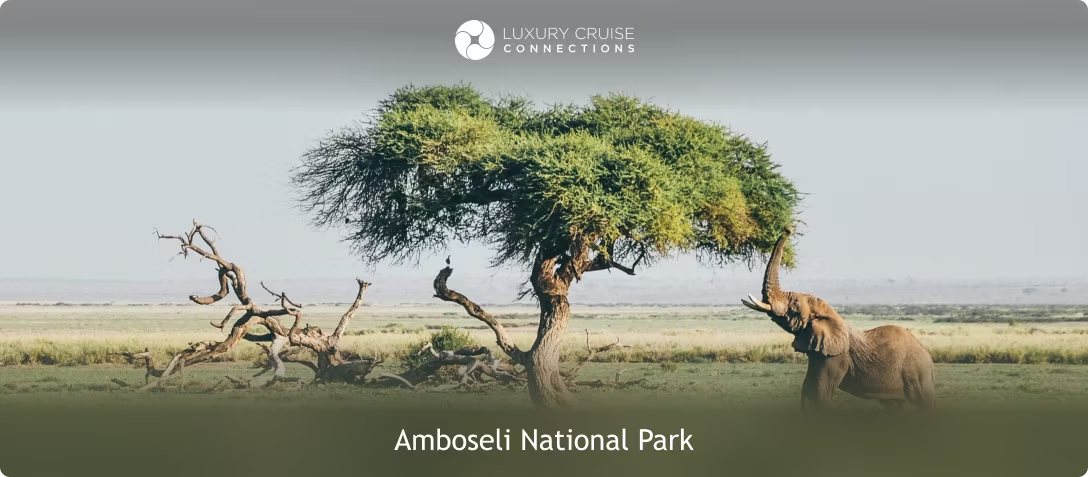
  • Explore the Amboseli National Park and Capture Views of Mount Kilimanjaro.

    Amboseli National Park is located in southern Kenya, near the Tanzanian border, and is one of the most famous safari destinations in the country. The park is known for its spectacular views of Mount Kilimanjaro, Africa’s highest peak, which dominates the landscape. Amboseli offers a range of wildlife experiences, with vast open plains, swamps, and acacia woodlands supporting diverse species (elephants, lions, and wildebeest). The park is famous for its large herds of elephants, making it a prime destination for wildlife photography and game drives.
    Explore the Amboseli National Park and Capture Views of Mount Kilimanjaro.

    The most iconic feature of Amboseli National Park is the view of Mount Kilimanjaro during the early mornings when the peak is visible above the clouds. The park is home to the largest concentration of elephants in Africa, and visitors can observe these majestic creatures up close. Amboseli’s varied landscapes, from wetlands to dry plains, offer opportunities for spotting a wide range of animals and birds, including giraffes, zebras, hyenas, and over 400 species of birds.

    Visitors take guided game drives across the park to see elephants and other wildlife in their natural habitat. The observation towers provide panoramic views of the park and Kilimanjaro in the distance, offering the perfect photo opportunity. Birdwatching is a popular activity around the swamp areas, where flamingos and other waterfowl are spotted. Early morning and late afternoon game drives are ideal for seeing wildlife at its most active, while the view of Mount Kilimanjaro at sunrise creates a stunning backdrop for any safari.

    The dry season, from June to October, offers the best wildlife viewing as animals gather around water sources.

    Experienced safari guides are available for game drives, providing in-depth knowledge about the park’s wildlife and ecosystems.

    Amboseli National Park entry fees range from [60-80] per adult, with additional costs for game drives and accommodations.

  • Witness Flamingos at Lake Nakuru National Park

    Lake Nakuru National Park is located in central Kenya within the Great Rift Valley and is internationally known for its alkaline lake and rich birdlife. The park surrounds Lake Nakuru, a shallow soda lake that attracts thousands of flamingos along its shoreline. Lake Nakuru National Park supports diverse ecosystems that include grasslands, acacia forests, and rocky escarpments (white rhinos, black rhinos, Rothschild giraffes). The park gained global recognition for rhino conservation and remains one of the most accessible wildlife reserves from Nairobi.
    Witness Flamingos at Lake Nakuru National Park

    The most iconic sight at Lake Nakuru National Park is the pink shoreline created by large flocks of flamingos feeding in the shallow waters. Lake Nakuru National Park provides reliable sightings of white rhinos and black rhinos in protected habitats. Elevated viewpoints such as Baboon Cliff offer sweeping views of the lake and the surrounding Rift Valley landscapes. Birdlife exceeds 400 recorded species, making the park a major destination for birdwatching enthusiasts.

    Visitors explore Lake Nakuru National Park through guided game drives that circle the lake and forested areas. Wildlife sightings include buffalo, zebras, lions, and leopards within compact driving distances. Photographers capture flamingo formations against the reflective waters during early morning light. Scenic stops at panoramic viewpoints create memorable moments overlooking the Rift Valley terrain.

    The dry seasons from June to October and January to February provide clearer wildlife visibility and stable road conditions.

    Professional safari guides enhance the experience with detailed explanations of birdlife and conservation efforts.

    Lake Nakuru National Park entry fees range from [60-80] per adult, with additional charges for vehicle entry and guided tours.

  • Hike Mount Kenya and Experience the Scenic High-altitude Trails.

    Mount Kenya, located in central Kenya, is Africa's second-highest mountain, standing at 5,199 meters (17,057 feet) above sea level. The mountain offers breathtaking landscapes, from lush rainforests to alpine meadows, and provides some of the best hiking trails in East Africa. A United Nations Educational, Scientific and Cultural Organization (UNESCO) World Heritage Site, Mount Kenya attracts adventurers looking for a challenging and scenic trek through its diverse ecosystems. The mountain has three main summits: Batian, Nelion, and Lenana Peak, with the latter being the most accessible for trekkers.
    Hike Mount Kenya and Experience the Scenic High-altitude Trails.

    The highlight of hiking Mount Kenya is the breathtaking view from the summit, where visitors see vast expanses of wilderness and the surrounding valleys. The varied landscapes, including alpine lakes, glaciers, and towering peaks, make the hike memorable. Mount Kenya’s high-altitude trails offer a unique opportunity to experience diverse flora and fauna, including rare species like the giant heather and rock hyrax.

    Hiking Mount Kenya offers routes, with the Sirimon, Naro Moru, and Chogoria routes being the most popular. The trek to Lenana Peak typically takes 4 to 5 days, passing through lush forests, moorlands, and glaciers. Hikers experience changing climates and ecosystems, culminating in panoramic views at the summit. Climbers enjoy overnight stays at mountain huts along the trails. The trek to the summit is challenging, requiring good physical fitness, but the stunning scenery and sense of achievement make it rewarding.

    The best months for hiking are from December to March and June to October, when the weather is dry and stable.

    Certified mountain guides are recommended for the trek, providing expertise and safety during the hike.

    Mount Kenya entry fees range from [20-30] per adult, with additional charges for park services and guide fees.

  • Discover the Ancient Gedi Ruins and Explore the Historical Swahili Settlement.

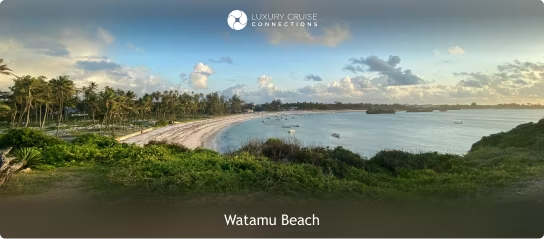
    The Gedi Ruins are located near the coast of Kenya, in the Watamu area, and are the remnants of a once-thriving Swahili town that dates back to the 12th century. The archaeological site offers a fascinating glimpse into the life of the Swahili people, with its well-preserved structures, including mosques, houses, and a palace. The Gedi Ruins are surrounded by dense forest, which has helped protect the site over the centuries. Gedi provides a unique opportunity to explore Kenya’s rich cultural history and ancient trade routes.
     Discover the Ancient Gedi Ruins and Explore the Historical Swahili Settlement.

    The highlight of visiting Gedi is the well-preserved layout of the ancient town, with its coral stone buildings and intricately designed architecture. Notable structures include the Gedi Mosque, which still retains its original features, and the palace with its ornate carvings. The surrounding forest adds an eerie yet peaceful atmosphere to the ruins, and visitors walk along the shaded paths, admiring the wildlife and natural beauty of the area.

    Visitors walk through the ruins and imagine what life was like in the once-thriving port city. The Gedi Ruins are guided by local experts who explain the historical significance of the site, including its connections to the Arab and Portuguese traders who passed through. The nearby Gedi Museum provides further insights into the history of the Swahili people and the ruins themselves. The experience is complemented by a peaceful walk through the surrounding forest, which is home to a variety of bird species and wildlife.

    The best time to visit is during the dry season, from June to September, when the weather is more favorable for walking and exploring.

    Local guides are available at the site to offer historical context and bring the ruins to life.

    Entry to the Gedi Ruins costs around [10-15] per adult, with additional fees for museum access.

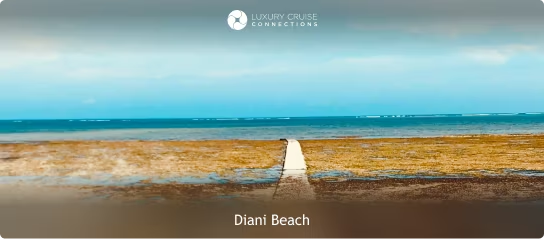
  • Relax on Diani Beach and Enjoy the Pristine White Sand and Clear Waters.

    Diani Beach is located along the southern coast of Kenya, near the town of Kwale, and is known for its long stretch of white sand and crystal-clear waters. Diani Beach is a popular destination for both relaxation and adventure, with its serene atmosphere and vibrant coral reefs. The beach is one of Kenya’s top coastal destinations, offering a combination of luxury resorts, local markets, and diverse marine life. The area is perfect for travelers seeking a peaceful retreat or an active beach holiday with opportunities for watersports, beach walks, and exploration.
    Relax on Diani Beach and Enjoy the Pristine White Sand and Clear Waters.

    The highlight of Diani Beach is its beautiful coastline, which extends for 25 kilometers, offering beach views in East Africa. The water is warm and clear, making it perfect for swimming, snorkeling, and diving. The beach is bordered by lush coconut palms and local resorts, providing both relaxation and access to local attractions. The nearby coral reefs and marine life make Diani an excellent spot for underwater adventures, including snorkeling and scuba diving.

    Visitors unwind on the beach under the shade of palm trees or take part in various water activities like kite surfing, paddleboarding, and jet skiing. Snorkeling and diving trips to nearby coral reefs are popular, where travelers see colorful fish, turtles, and even dolphins. The evenings offer the perfect opportunity to enjoy the stunning sunsets, with beachside bars and restaurants serving fresh seafood and cocktails. The nearby village markets and cultural centers provide a chance to explore local crafts and traditions for tourists interested in local culture.

    The best time to visit Diani Beach is from December to March, when the weather is warm and dry.

    Local guides are available for snorkeling, diving trips, and cultural tours.

    Entry to Diani Beach is free, but activity costs (snorkeling, water sports) vary, with diving trips averaging [30-50] per person.

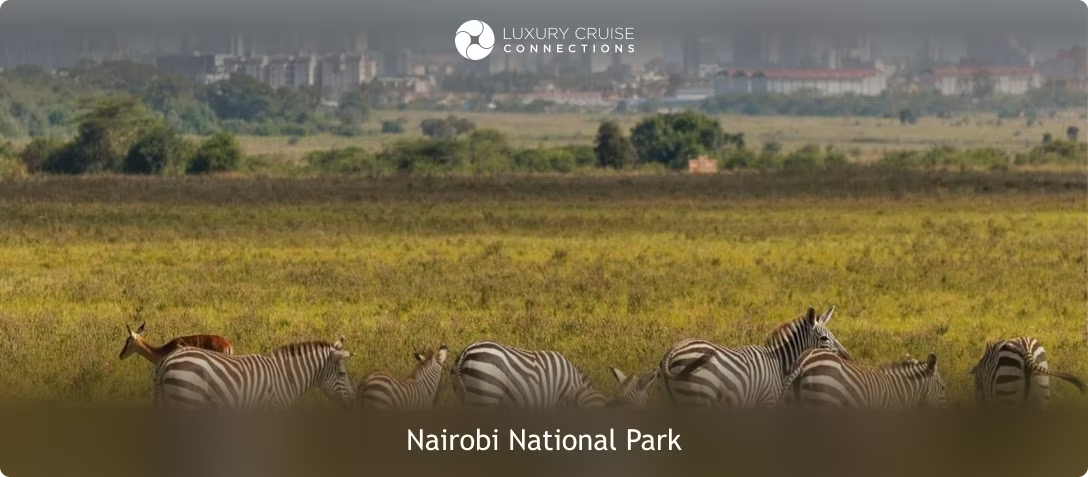
  • Visit Nairobi National Park and See Wildlife Against the City Skyline.

    Nairobi National Park is located just outside Nairobi’s bustling city center, offering a unique blend of urban and wildlife experiences. Nairobi National Park is the first national park in the world to be located within a city, established in 1946. The park spans 117 square kilometers and is home to a variety of wildlife, including lions, giraffes, zebras, and rhinos. The park offers an exceptional opportunity to see wildlife up close in a natural setting, all while being just a short drive from the city, with the iconic Nairobi skyline visible in the distance.
    Visit Nairobi National Park and See Wildlife Against the City Skyline.

    The park’s most distinctive feature is its juxtaposition of wildlife and the city backdrop. Visitors see the “Big Five” (lion, leopard, buffalo, rhino, and elephant) with the Nairobi skyline, including tall buildings like the Kenyatta International Conference Centre, in the distance. The park features diverse habitats, including savannah, wetlands, and forested areas, allowing for a variety of animal sightings

    Visitors enjoy a safari drive through the park, spotting a wide range of animals in their natural habitat. Nairobi National Park is known for its rhino sanctuary, which plays a crucial role in conservation efforts. Visitors take a guided walk to learn about the park’s flora and fauna or visit the Nairobi Animal Orphanage, which houses rescued animals. The park’s open spaces and relatively short safari drives make it a perfect option for a quick yet rewarding wildlife experience.

    The best time to visit is early in the morning or late afternoon when animals are most active.

    : Local safari guides provide expert knowledge and help spot wildlife.

    Entry to Nairobi National Park costs [10-15] per adult, with additional costs for guided tours and special activities.

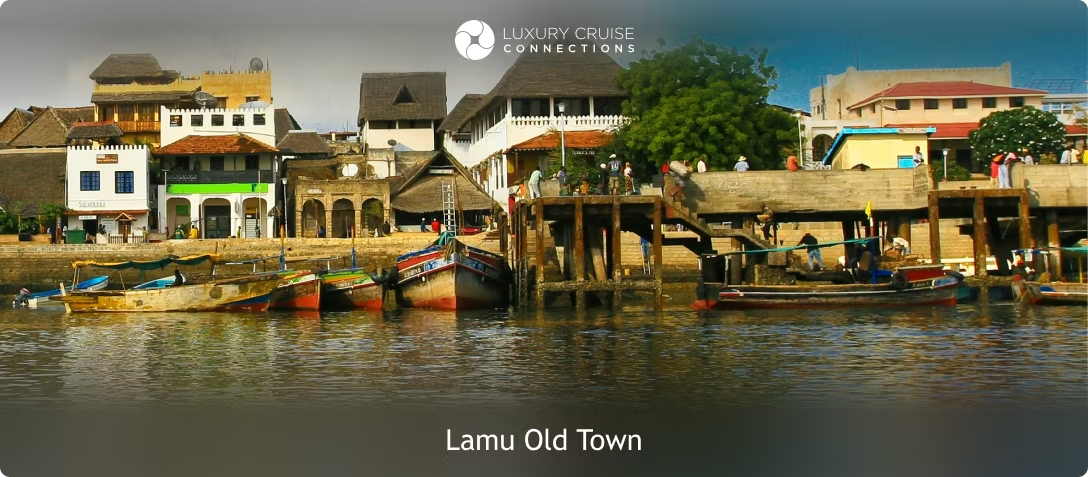
  • Explore the Coastal Town of Lamu and Immerse Yourself in Its Rich Culture.

    Lamu is a small, historic town located on Kenya's northeastern coast, along the Indian Ocean. Lamu offers a rich cultural experience, with narrow winding streets, ancient architecture, and a laid-back atmosphere known for its unique blend of African, Arab, and Swahili cultures. It has preserved its traditional Swahili way of life, with minimal modern development as a UNESCO World Heritage Site. The town’s history dates back to the 14th century, making it one of the oldest and best-preserved Swahili settlements in East Africa.
    Explore the Coastal Town of Lamu and Immerse Yourself in Its Rich Culture.

    The highlight of visiting Lamu is its well-preserved old town, with coral stone buildings and intricately carved wooden doors, which reflect the town’s rich history and Swahili heritage. Lamu’s cultural significance is celebrated through its festivals (the Lamu Cultural Festival), which showcase traditional music, dances, and boat races. The town’s main mode of transportation is still by donkey or dhow boat, adding to its charm. The Lamu Fort, built in the 19th century, offers panoramic views of the town and the ocean.

    Visitors explore Lamu’s narrow streets on foot or by donkey, discovering hidden courtyards and ancient houses. A dhow cruise around Lamu Island and nearby Manda Island provides a unique view of the coastline and its secluded beaches. The town’s markets offer a variety of local crafts, textiles, and spices, perfect for those looking to take home a piece of Lamu’s culture. Lamu is known for its seafood, with local restaurants serving fresh catches prepared in traditional Swahili style

    The best time to visit is from November to March, when the weather is dry and pleasant.

    Local guides are available to offer insights into the history and culture of the town.

    Entry to Lamu Old Town is free, but guided tours and dhow cruises range from [15-30].

  • Take a Safari at Tsavo National Park and Discover its Red Elephants.

    Tsavo National Park, one of Kenya's largest and oldest national parks, spans over 22,000 square kilometers in the southeastern part of the country. The Tsavo National Park offers diverse landscapes, from open savannahs and grasslands to volcanic hills and river systems, divided into Tsavo East and Tsavo West. It is known for its large population of elephants, the famous red elephants that are covered in red dust due to the park’s unique soil. The park is home to a variety of wildlife, including lions, leopards, giraffes, zebras, and over 500 species of birds.
    Take a Safari at Tsavo National Park and Discover its Red Elephants.

    The highlight of Tsavo National Park is the opportunity to see the red elephants, with a distinctive appearance that is a result of the red ochre soil in the park. Tsavo is famous for its dramatic landscapes (the Mzima Springs), which provide an oasis in the arid environment, and the Chyulu Hills, which offer breathtaking views of the surrounding plains. Tsavo’s unique geology, combined with its diverse wildlife, makes it a premier safari destination.

    Visitors take game drives through Tsavo East or West, where they encounter elephants, lions, buffalo, and a variety of other wildlife in their natural habitat. The Mzima Springs in Tsavo West offer an opportunity to watch hippos and crocodiles from underwater viewing tanks. The Aruba Dam attracts herds of elephants and other animals seeking water in Tsavo East. Birdwatchers spot numerous species around the park’s rivers and wetlands.

    The dry seasons from June to October offer the best wildlife viewing, as animals gather around water sources.

    Local safari guides are available for game drives, offering insights into the park’s wildlife and history.

    Entry to Tsavo National Park ranges from [20-30] per adult, with additional fees for game drives and optional activities.

  • Experience the Great Rift Valley and View Its Unique Geological Features.

    The Great Rift Valley is a vast geological formation that stretches from Syria in the north to Mozambique in the south, passing through Kenya. The Kenyan section of the valley is famous for its dramatic landscapes, including deep volcanic lakes, rugged mountains, and geothermal hot springs. It is a place where visitors can witness the Earth’s tectonic plates shifting, creating unique geological features. The Rift Valley is a geological wonder and a wildlife-rich area, with numerous national parks and game reserves offering unparalleled safari experiences.
    Experience the Great Rift Valley and View Its Unique Geological Features.

    The highlight of visiting the Great Rift Valley is the combination of stunning geological formations and abundant wildlife. Key attractions include the vast volcanic craters of Mount Longonot, the serene Lake Nakuru, known for its flamingos, and the geothermal springs in areas like Hell’s Gate National Park. The valley’s dramatic escarpments (the Aberdare Range and Mau Escarpment) provide breathtaking panoramic views of the valley below.

    Visitors hike the slopes of Mount Longonot for a scenic view of the valley and its surrounding lakes. Game drives through Lake Nakuru National Park offer sightings of flamingos, rhinos, and other wildlife. Visitors explore gorges, hot springs, and geothermal areas on foot or by bike in Hell’s Gate National Park. The valley’s rich cultural heritage is showcased in the local Maasai villages, where visitors learn about traditional customs and practices.

    The dry season from June to October offers the best conditions for hiking and wildlife viewing.

    Local guides are available to provide historical and geological context during hikes and safaris.

    Entry to Hell’s Gate National Park costs [20-25], while Lake Nakuru National Park fees range from [40-50].


What are the Most Popular Tourist Attractions in Kenya?

The most popular tourist attractions in Kenya are listed below.

  • Masai Mara National Reserve
  • Amboseli National Park
  • Nairobi National Park
  • Lamu Old Town
  • Diani Beach
  • Masai Mara National Reserve

    Masai Mara is one of Africa's most famous safari destinations, known for its stunning wildlife and the annual Great Migration of wildebeest, zebras, and other animals. Visitors witness the "Big Five" in their natural habitat and enjoy guided game drives
    Masai Mara National Reserve
  • Amboseli National Park

    Amboseli offers a unique wildlife experience, including large herds of elephants, and is famous for its breathtaking views of Mount Kilimanjaro. It is a top destination for photography and wildlife enthusiasts.
    Amboseli National Park
  • Nairobi National Park

    The park offers a chance to see wild animals against the backdrop of the city skyline, located just outside Nairobi. It is home to rhinos, lions, giraffes, and a variety of bird species, providing an urban safari experience.
    Nairobi National Park
  • Lamu Old Town

    The town is one of the oldest Swahili settlements in East Africa, a UNESCO World Heritage site. The town's narrow streets, stunning beaches, and rich cultural history make it a popular destination for history and architecture lovers.
    Lamu Old Town
  • Diani Beach

    The beach is renowned for its white sandy beaches, clear turquoise waters, and vibrant coral reefs located along Kenya’s southern coast. It is a perfect destination for beach lovers, water sports enthusiasts, and travelers seeking relaxation.
    Diani Beach


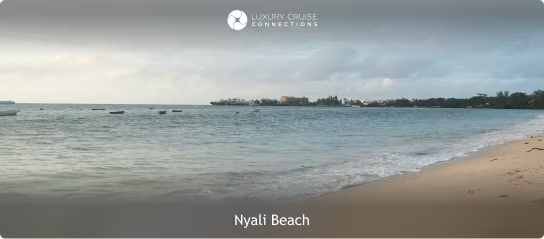
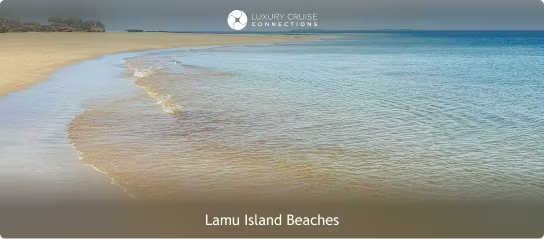
What are the Best Beaches in Kenya to Visit After a Cruise?

The best beaches in Kenya to visit after a cruise are listed below.


How can I experience the Local Culture in Kenya?

You can experience the local culture in Kenya by following the five steps listed below.


What are the Best Places to Visit in Kenya for First-Time Visitors?

The best places to visit in Kenya for first-time visitors are listed below.

The Masai Mara is one of the most iconic safari destinations in Africa, known for its incredible wildlife and the Great Migration. First-time visitors experience the "Big Five" and the spectacular migration of wildebeest and zebras.
The park offers an easy-access wildlife experience, located just outside Nairobi. Visitors see lions, giraffes, and rhinos with the Nairobi skyline in the background, making it perfect for first-timers seeking a wildlife encounter without leaving the city.
The coastal paradise offers pristine white sand beaches and clear, turquoise waters, ideal for relaxation, water sports, and snorkeling. It is perfect for travelers wanting to unwind after a safari adventure.
Amboseli provides a unique opportunity to enjoy wildlife and majestic landscapes, making it a must-see for first-time visitors, famous for its large herds of elephants and stunning views of Mount Kilimanjaro.
The island offers a peaceful retreat with its historic Swahili architecture, beautiful beaches, and tranquil atmosphere, a UNESCO World Heritage site. It is perfect for travelers looking to explore Kenya’s cultural heritage while enjoying a quiet island getaway.

What Unique Wildlife Experiences Can You Have in Kenya?

The unique wildlife experiences you can have in Kenya are remarkable in the world, due to its diverse ecosystems and protected areas. The famous experience is witnessing the Great Migration in the Masai Mara, where millions of wildebeest, zebras, and gazelles cross the Serengeti-Mara ecosystem in a dramatic and awe-inspiring spectacle. Another unforgettable experience is visiting the Giraffe Centre in Nairobi, where visitors have the chance to feed and interact with the endangered Rothschild giraffes. Amboseli National Park offers the opportunity to view large herds of elephants with the breathtaking backdrop of Mount Kilimanjaro for a more intimate wildlife encounter. Lake Nakuru National Park is renowned for its massive flamingo populations, creating a visually striking and vibrant wildlife experience. Tsavo National Park is home to the iconic "red elephants," known for the park's unique red soil. The wildlife experiences provide visitors with a chance to see Africa’s most iconic animals in their natural habitats, making for educational and thrilling encounters.

Are There Wildlife Reserves Near Kenya’s Cruise Ports?

Yes, there are wildlife reserves near Kenya’s cruise ports. Mombasa Port, the primary cruise hub in Kenya, is located in proximity to the Shimba Hills National Reserve. The reserve is known for its rich biodiversity, including elephants, leopards, and a variety of bird species. Tsavo National Park, one of Kenya’s largest wildlife parks, is easily accessible from Mombasa and offers a chance to see a variety of wildlife, including the famous red elephants. The reserves, along with other nearby natural attractions, make Kenya’s cruise ports an excellent gateway for wildlife enthusiasts seeking quick and rewarding safari experiences.

Are there Fun Things to do in Kenya?

Yes, there are plenty of fun things to do in Kenya. Kenya offers diverse activities for all types of travelers, from thrilling safaris in world-renowned national parks to relaxing on idyllic beaches. Visitors go on game drives in the Masai Mara, witnessing the Great Migration, or explore the vast wilderness in Amboseli National Park, where elephants roam freely against the backdrop of Mount Kilimanjaro. Mount Kenya provides excellent hiking opportunities, while Diani Beach offers water sports (snorkeling and kite surfing) for adventure seekers. Nairobi provides a range of experiences, including visiting the Giraffe Centre or shopping at local markets. Visitors explore Lamu Old Town or enjoy a Maasai village visit to learn about the traditions and lifestyle of Kenya's indigenous communities for cultural experiences. There are endless fun things to do in Kenya to make the visit memorable. Kenya’s diverse landscapes and rich heritage make it a perfect destination for travelers seeking relaxation and excitement.

Best Things to Do Around the World

Discover the best activities, landmarks, and experiences in every cruise destination and port of call.

Europe Western, Central & Mediterranean
America North, Central, South & Caribbean
Africa & Asia Oceania & Antarctica