10 Best Things to Do in Ghana

The 10 best things to do in Ghana include visiting the Cape Coast Castle, exploring Kakum National Park, relaxing at Bus...

add

The 10 best things to do in Ghana include visiting the Cape Coast Castle, exploring Kakum National Park, relaxing at Busua Beach, discovering the National Museum of Ghana, and taking a boat tour on Lake Volta. Other Ghana highlights include visiting the W.E.B. Du Bois Center, experiencing Mole National Park, going on a cultural tour of Kumasi, visiting the Kwame Nkrumah Mausoleum, and enjoying the vibrant Makola Market in Accra.

Ghana is a West African country with coastal scenery, cultural depth, and ecological diversity. The range of things to do in Ghana spans heritage tourism, nature exploration, and urban life. Travelers searching for places to visit in Ghana encounter historic forts, rainforest parks, and lively city markets. Visitors curious about what to do in Ghana find guided safaris, cultural performances, and beach retreats woven into everyday travel.

  • Visit the Cape Coast Castle
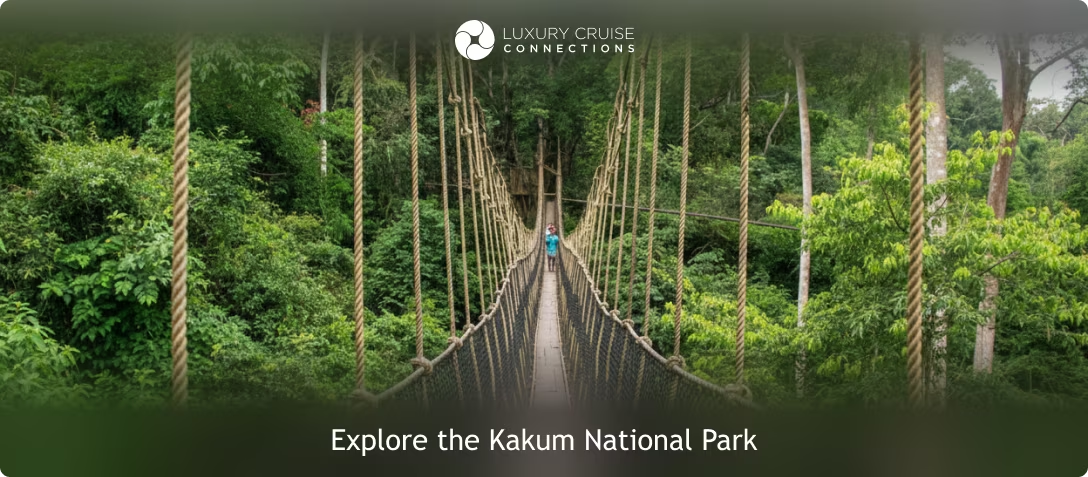
  • Explore the Kakum National Park
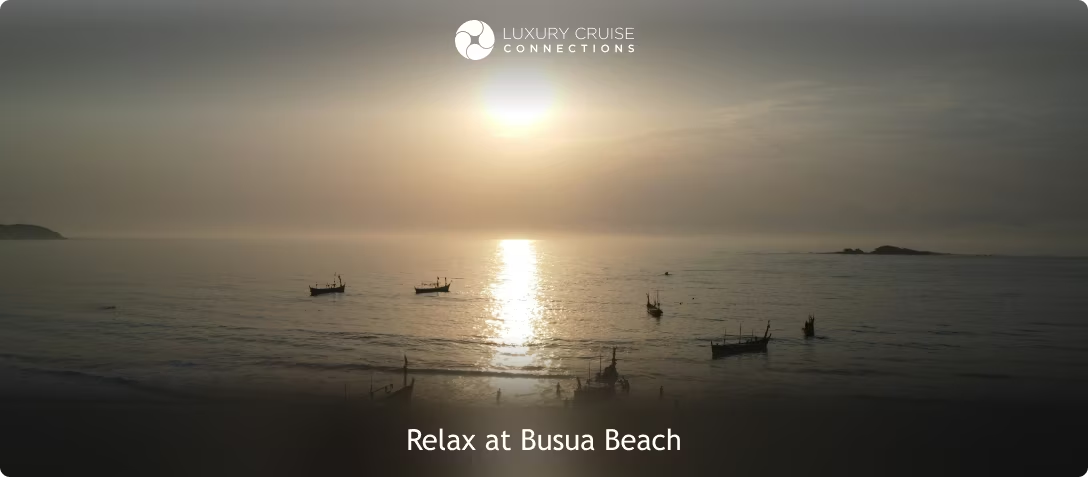
  • Relax at Busua Beach
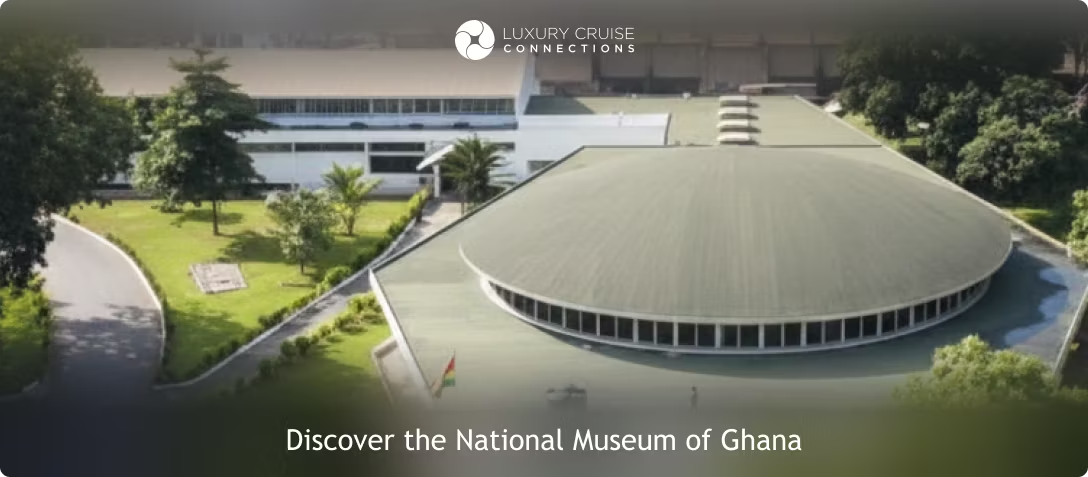
  • Discover the National Museum of Ghana
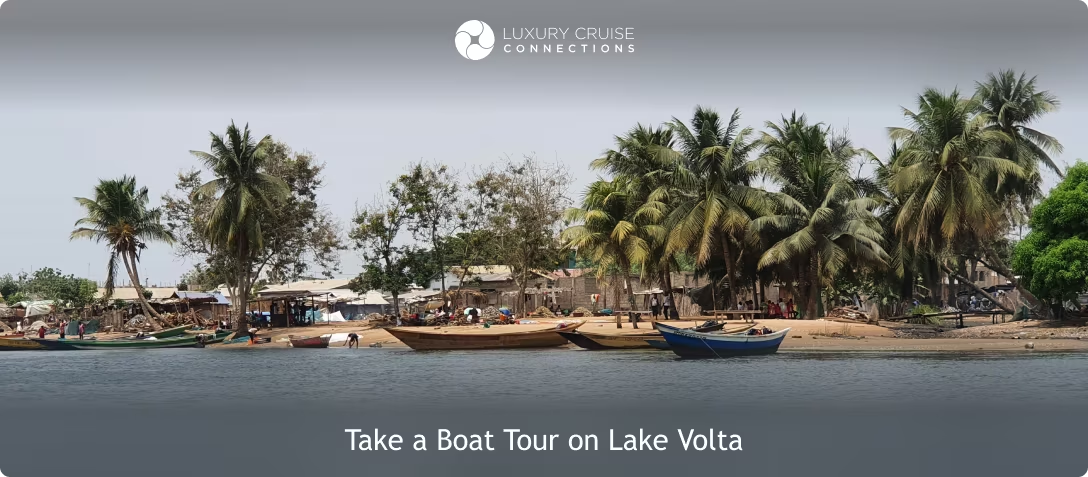
  • Take a Boat Tour on Lake Volta
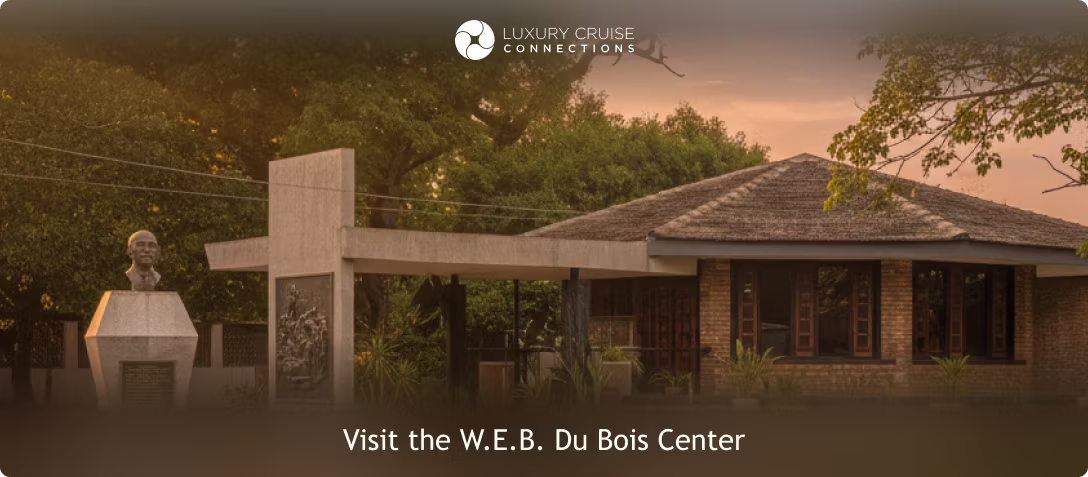
  • Visit the W.E.B. Du Bois Center
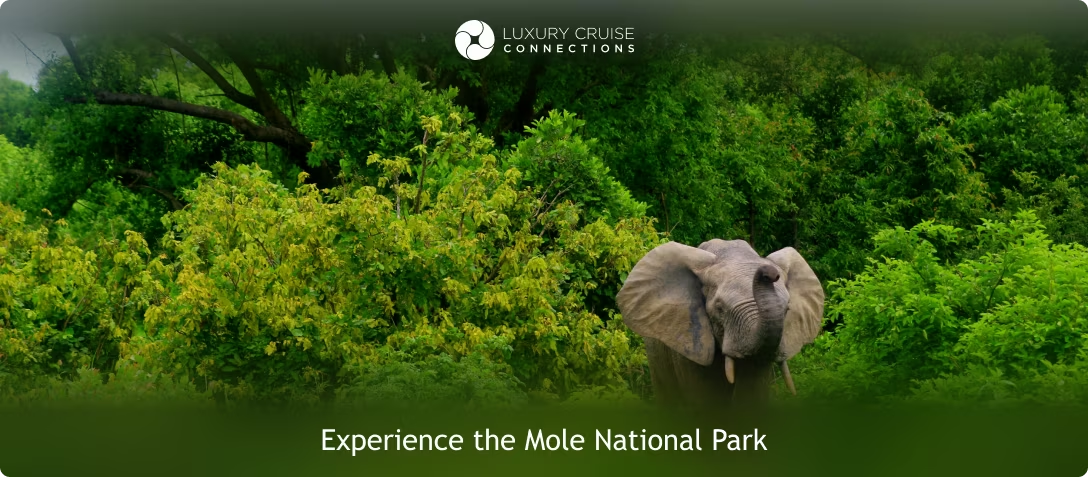
  • Experience the Mole National Park
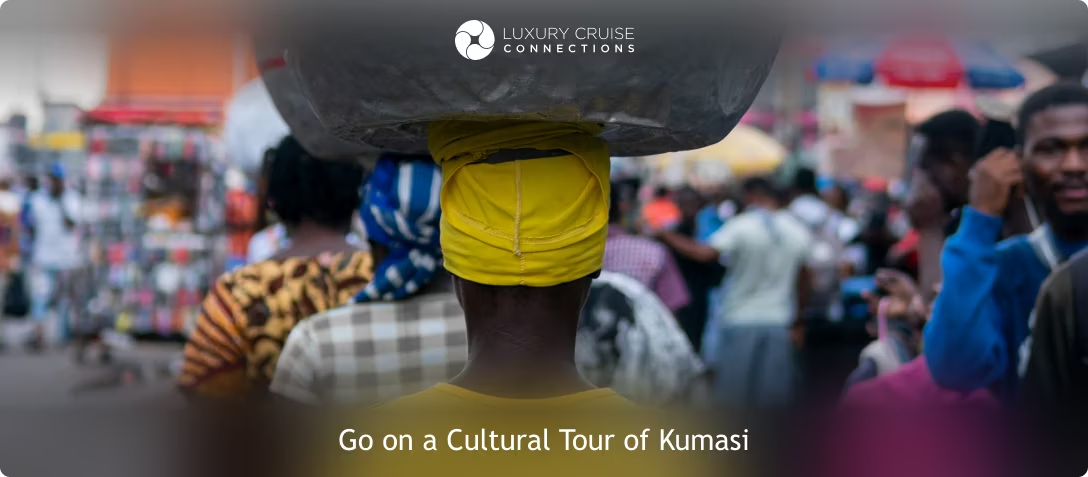
  • Go on a Cultural Tour of Kumasi
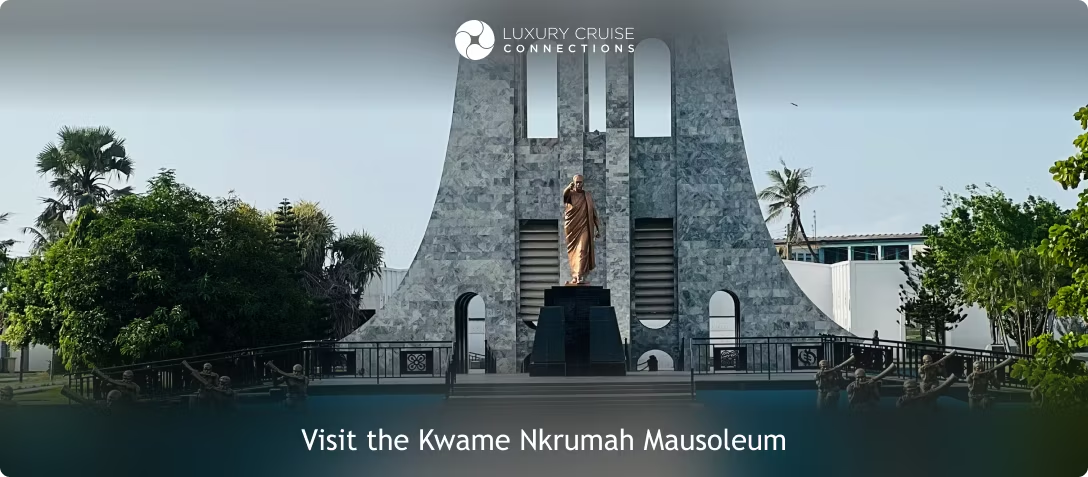
  • Visit the Kwame Nkrumah Mausoleum
  • Enjoy the vibrant Makola Market in Accra
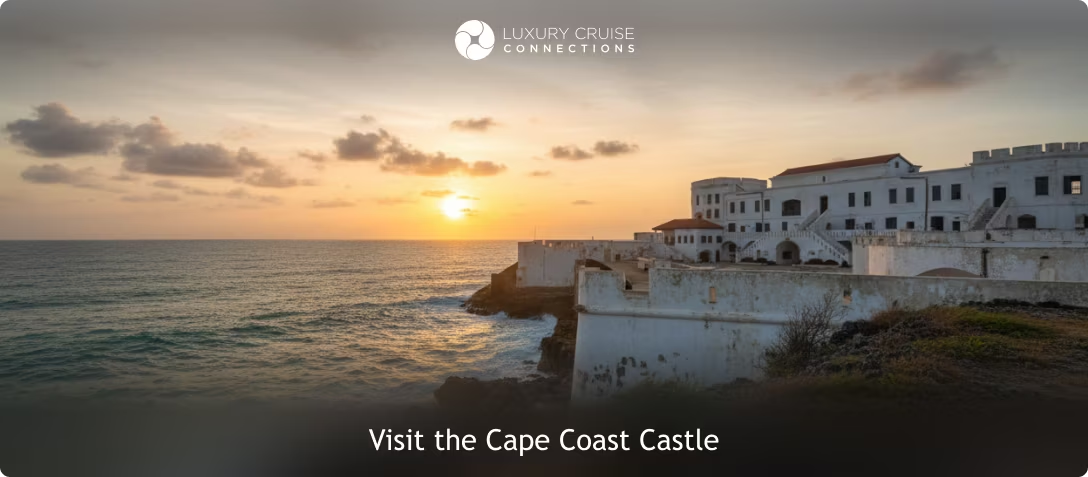
  • Visit the Cape Coast Castle

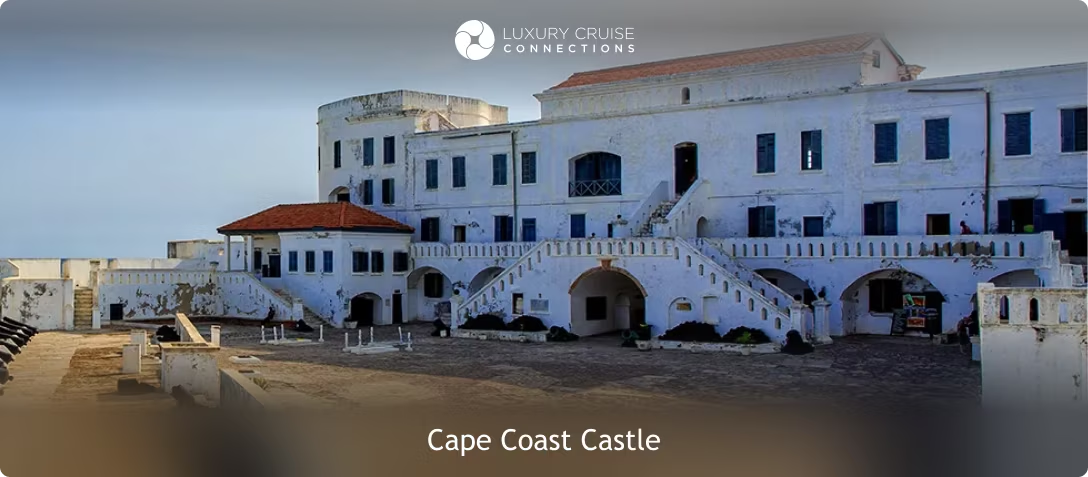
    Cape Coast Castle is a whitewashed fort on the Atlantic coast and one of Ghana’s most important historic sites. Cape Coast Castle is located in the Central Region and served as a major hub in the transatlantic slave trade. The castle was originally built by the Swedes in the 1650s and later expanded by the British. It now functions as a museum and memorial for visitors in Cape Coast and is a UNESCO World Heritage Site. Cape Coast Castle’s architecture, dungeons, and oceanfront position offer insight into centuries of European colonial activity in West Africa.
    Visit the Cape Coast Castle

    Highlights of Cape Coast Castle include the preserved dungeons that reveal the conditions enslaved Africans were forced to endure. Another highlight is the Door of No Return, a stone arch that marks the final point of departure during the slave trade. Another highlight is The West African Historical Museum, which displays records, objects, and narratives that confront the legacy of slavery. Another highlight is the governor’s quarters which overlook the Atlantic and expose the contrast between colonial authority and captive suffering.

    Visiting Cape Coast Castle is a powerful historical experience and an important activity to understand Ghana’s heritage. Visitors join guided tours through the castle dungeons and hear detailed accounts of the Atlantic slave trade. Guests walk the same passageways used by captives centuries ago and pause at the Door of No Return. Museum exhibits at Cape Coast Castle add historical context and personal narratives. Visitors reflect at the memorial site and view the coastal scenery from Cape Coast’s battlements.

    The best time to visit Cape Coast Castle is in the dry season (November to March), when weather is cooler for walking outdoors and views are clear.

    Local guides lead historical tours of Cape Coast Castle and explain its architecture, slave trade routes, and personal stories.

    Entry to Cape Coast Castle in Ghana costs between $7-$9 USD for non-Ghanaian adults.

  • Explore the Kakum National Park

    Kakum National Park is a tropical forest reserve and one of Ghana’s most significant biodiversity areas. Kakum National Park is located near Cape Coast, in southern Ghana. It was established in 1931 and designated a national park in 1992 following an avifauna survey. Kakum National Park spans 375 square kilometers and contains moist forest, swamp forest, and riverine vegetation. Its canopy walkway and rare wildlife make it a major destination for ecological tourism in Ghana.
    Explore the Kakum National Park

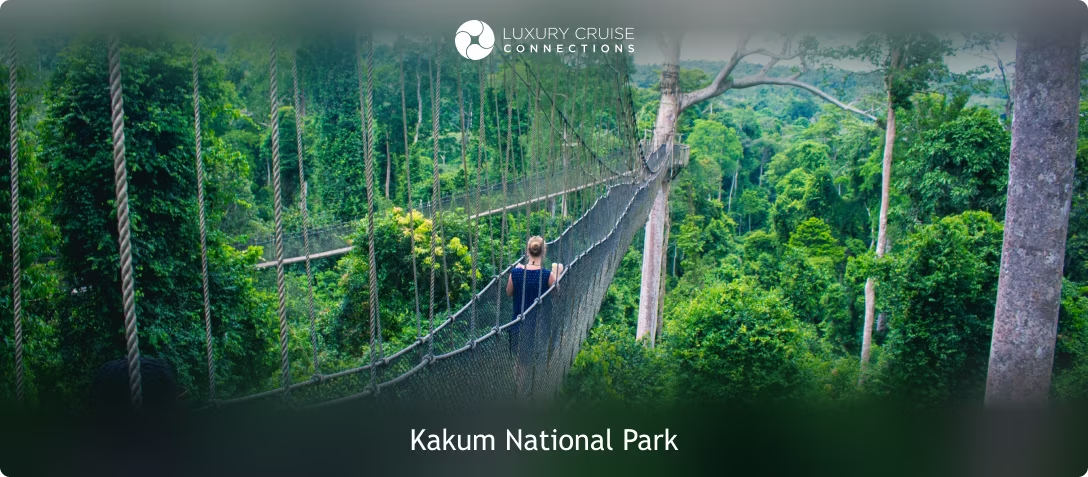
    Highlights of Kakum National Park include a 350-meter-long canopy walkway suspended 30 meters above ground. The canopy walkway links seven treetops and offers access to forest layers rarely seen by visitors. Another highlight of Kakum National Park is the presence of endangered species including the Diana monkey, African forest elephant, giant bongo, and yellow-backed duiker. The park’s bird inventory records 266 species and has earned it status as an Important Bird Area. Another highlight is the Kakum National Park Visitor Center and wildlife platform, which provides interpretation and close observation of birds, butterflies, and primates.

    Exploring Kakum National Park is an immersive rainforest experience in Ghana’s wilderness. Visitors begin at the Kakum National Park information center and walk guided trails beneath the forest canopy. They cross rope bridges linking treetops on the canopy walkway and observe local wildlife at eye level. Guests walk the Kuntan Trail to learn about medicinal plants used in local healing. Visitors who make prior arrangements embark on elephant tracking adventures. Visitors on guided visits to Mesomagor village listen to traditional music and drumming

    The best time to visit Kakum National Park is in the dry season (November to March) when the canopy walk and trails remain accessible and wildlife activity is high.

    Local ecological guides lead tours of Kakum National Park and assist with plant identification, forest navigation, and wildlife interpretation. Guides enhance visitor safety and provide access to deeper areas of the park.

    Entry to Kakum National Park costs under $1 and nature walks cost $2 USD for non-Ghanaian adults. The Kakum National Park canopy walkway requires an extra fee of $3 USD for non-Ghanaian adults.

  • Relax at Busua Beach

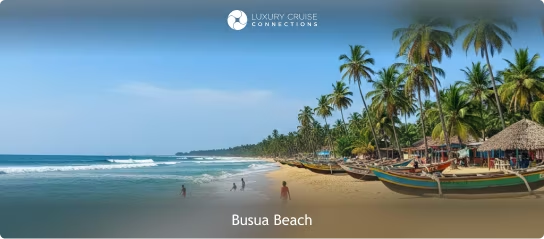
    Busua Beach is a coastal village and one of Ghana’s most accessible beach destinations. Busua Beach is located 30 kilometers west of Sekondi-Takoradi in Ahanta West District, bordering the Gulf of Guinea. Busua Beach lies beside a fishing community and offers visitors a wide sandy shoreline lined with cafes and guesthouses. Busua Beach’s laid-back setting makes it a hub for water sports and coastal relaxation.
    Relax at Busua Beach

    Highlights of Busua Beach include its clean sand and steady waves that are ideal for swimming. Another highlight is the active surf scene supported by local surf schools and rental shops. Another Busua Beach highlight is the space on the sand available to play volleyball, football, and frisbee. Another highlight is the row of beachfront cafes and bars serving grilled fish, jollof rice, and cold drinks with ocean views.

    Relaxing at Busua Beach is an iconic coastal experience for Ghana visitors looking to unwind. Visitors relax on sunbeds, swim in calm Atlantic waters and take leisurely boat trips to Abokwa Island. Surf schools teach surfing beginners on gentle waves near the shore. Experienced surfers ride stronger waves farther from Busua Beach. Guests eat seafood meals at beachfront restaurants and join informal games of soccer or volleyball. Hiking enthusiasts walk to nearby villages like Butre and Dixcove.

    The best time to visit Busua Beach is in the dry season (November to March) when the surf is calm, skies are clear, and water temperatures are ideal for swimming.

    Local surf instructors and boatmen operate along Busua Beach and offer lessons, rentals, and short coastal excursions.

    Entry to Busua Beach is free of charge.

  • Discover the National Museum of Ghana

    The National Museum of Ghana is the country’s oldest museum and a key site for discovering African heritage. Ghana’s National Museum is located in Accra. It opened in 1957 and reopened in 2022 after a major restoration project. It holds over 10,000 objects covering archaeology, ethnography, and fine art. The National Museum of Ghana’s collections include Ghanaian and pan-African material from Nigeria, Ivory Coast, and Southern Africa. It is the central museum under the Ghana Museums and Monuments Board and preserves and presents West Africa’s cultural legacy.
    Discover the National Museum of Ghana

    Highlights of the National Museum of Ghana include ethnographic displays of regalia, stools, textiles, beads, and musical instruments. Another highlight is the archaeological gallery, which presents terracotta heads, stone tools, and items from ancient sites such as Komaland. Another museum highlight is the art gallery that features modern Ghanaian paintings in oil, acrylic, and watercolor. Pan-African objects include Ife bronze heads, Zulu carvings, and Senufo masks.

    Discovering the National Museum of Ghana offers insight into Ghana’s heritage and the diversity of African societies. Visitors walk through galleries showing Akan goldweights, traditional crafts, regional rituals, stone tools and ancient pottery from early settlements. Visitors browse Pan-African exhibits such as sculpture and regalia from Nigeria, the Democratic Republic of the Congo, and Ivory Coast. They move onto the quiet art gallery space to view contemporary African paintings. The National Museum of Ghana suits a one-hour visit at a relaxed pace.

    The National Museum of Ghana is open and enjoyable year-round.

    Local museum guides lead tours of the National Museum of Ghana and explain cultural history, object use, and regional styles. They help visitors understand historical timelines and link displays to broader African traditions.

    Entry to the National Museum of Ghana costs $7 USD for non-Ghanaian adults.

  • Take a Boat Tour on Lake Volta

    Lake Volta is one of the world’s largest man‑made lakes and a major waterway in Ghana. Lake Volta is a popular destination for boat tours because it features scenic bays, riverside villages and islands such as Dodi, Dwarf and Kporve. Volta Lake was created in the mid‑1960s by the construction of the Akosombo Dam and covers over 8,500 square kilometers of inland water. Lake Volta connects Ghana’s northern savanna towns with southern communities and supports local fishing, transport, and tourism.
    Take a Boat Tour on Lake Volta

    Highlights of a Lake Volta boat tour include a visit to Dodi Island, where visitors enjoy cultural performances and Ghanaian music. Another highlight is onboard entertainment, with live Highlife bands and buffet meals featuring Ghanaian and international dishes. Another boat tour highlight is the view of the Adomi Bridge and the Akosombo Dam, two major national landmarks. Another Lake Volta highlight is visiting riverside fishing communities and bead workshops, where visitors gain insight into local livelihoods and crafts.

    Taking a boat tour on Lake Volta is a tranquil natural and cultural experience in Ghana. Boat tours depart from Akosombo or lakeside piers and glide past lively riverside communities. Travelers sit under shade or on open decks, taking in views of forested banks and fishing canoes. Select Lake Volta boat tours disembark on Dodi Island for short walks, local interactions and performances. Guests relax with snacks or meals aboard while guides share stories of the lake and its people.

    The best time to take a boat tour on Lake Volta is in Ghana’s dry season (November to March) when winds are gentler, rainfall is low, and lake water is calmer.

    Local boat captains and tour guides lead Lake Volta excursions and explain lake history, fishing practices, and community life. They ensure safety, navigate routes, and enhance the scenic experience with stories about the dam, islands and village life.

    Boat tours on Lake Volta cost $35 -$250 USD per person depending on vessel type, tour duration, meals inclusions and island visits

  • Visit the W.E.B. Du Bois Center

    The W.E.B. Du Bois Center is a memorial and research site in Accra and a significant destination for visitors interested in Pan-African history. The center is named after William Edward Burghardt Du Bois, an African American scholar and civil-rights activist who moved to Ghana in 1961 and died there in 1963. The W.E.B. Du Bois Center contains his mausoleum, residence, and personal library. Today, the center attracts tourists, researchers, and students seeking insight into Ghana’s role in African liberation and diaspora thought.
    Visit the W.E.B. Du Bois Center

    Highlights of the W.E.B. Du Bois Center include the circular mausoleum where Du Bois and his wife Shirley Graham Du Bois are buried. Another highlight is the research library, which holds his personal papers, photographs, and rare African American publications. Visitors are able to walk through his preserved study and view memorabilia from his time in Ghana. The complex also includes rotating exhibitions, Pan-African artworks, and a quiet garden with symbolic sculptures.

    Visiting the W.E.B. Du Bois Center offers an educational experience rooted in Ghana’s Pan-African legacy. Visitors begin at the courtyard and enter the mausoleum housing Du Bois’s tomb. They walk through his residence and view original furnishings and books. In the library, guests see rare documents and photographs that trace W.E.B. Du Bois’s global influence. The center’s garden and exhibitions offer space for reflection and insight into Ghana’s links with the African diaspora.

    The best time to visit the W.E.B. Du Bois Center is in the dry season (November to March) when Accra’s climate is cooler and site access is most comfortable.

    Local guides lead tours of the W.E.B. Du Bois Center and provide context on Du Bois’s life, writings, and role in Ghana. They explain Pan-African themes and highlight links between African American history and Ghanaian independence.

    Entry to the W.E.B. Du Bois Center costs $5 USD for non-Ghanaian adults.

  • Experience the Mole National Park

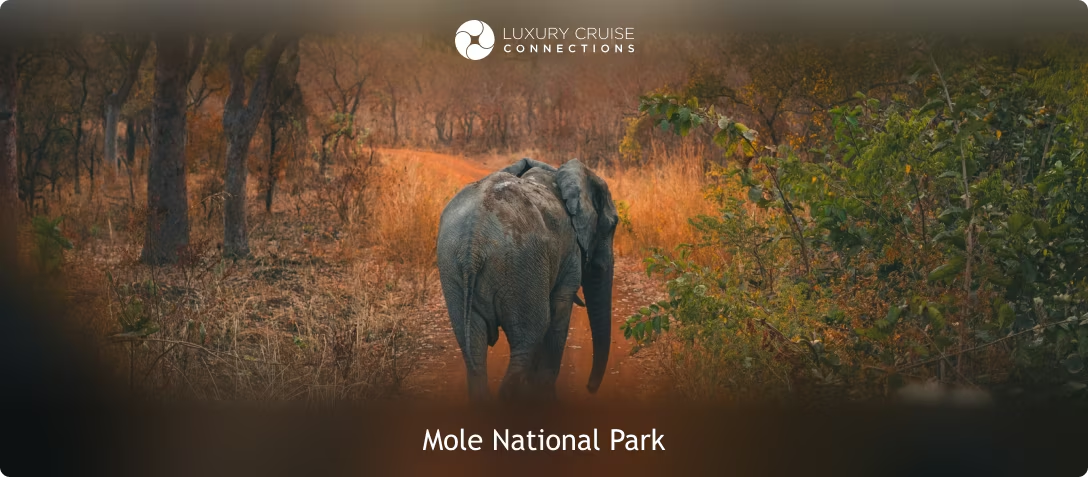
    Mole National Park is Ghana’s largest wildlife reserve and a premier safari destination in the Savannah Region. Mole National Park covers 4,840 km² of open savanna and riverine habitat in the northwest of Ghana. Mole National Park was established as a protected area in 1958 and designated a national park in 1971. Mole offers visitors close encounters with elephants, antelope, monkeys, and rich birdlife.
    Experience the Mole National Park

    Highlights of Mole National Park include game drives where visitors see elephants, buffalo, kob antelope, warthogs, and baboons in their natural habitat. Another highlight is the large variety of 300+ bird species, making Mole an excellent destination for birdwatching. Another highlight is Mole’s scenery, including open grasslands, waterholes, and the Konkori Escarpment with a small waterfall. Cultural stops near Mole National Park include the historic Larabanga Mosque and fringe communities.

    Experiencing Mole National Park is an immersive wildlife adventure and one of Ghana’s best safari activities. Visitors take guided 4×4 drives across open savanna and watch animals gather at waterholes during the dry season. Walking safaris with armed rangers provide the chance to see elephants up close. Guests spot birds, antelope, and monkeys while learning about the park’s ecology. Many travelers also visit Larabanga village and its ancient mosque near the park entrance.

    The best time to visit Mole National Park is in the dry season (November to March) when wildlife is easier to spot, as animals concentrate around water sources and foliage is thinner.

    Local safari guides and wildlife rangers lead tours of Mole National Park, ensuring safety and offering expert knowledge on species behaviour and identification.

    Entry to Mole National Park in Ghana costs $6 USD for non-Ghanaian adults. A vehicle safari in Mole National Park costs $6 USD per hour.

  • Go on a Cultural Tour of Kumasi

    Kumasi is the historic capital of the Ashanti Region and one of Ghana’s richest cultural cities to visit. Kumasi was the traditional seat of the Asantehene, which refers to the ruler of the Ashanti Kingdom from the early 1700s through the colonial period. Kumasi offers deep cultural insight into Ashanti history, crafts, and customs through its markets, historic palaces, and cultural centres. A cultural tour of Kumasi introduces visitors to Ashanti traditions and shows how the city served as the political and spiritual heart of the kingdom.
    Go on a Cultural Tour of Kumasi

    Highlights of cultural tours in Kumasi include guided visits to the Manhyia Palace Museum, where travelers explore Ashanti royal history and regalia. Another highlight is the Kumasi Cultural Centre, where artisans demonstrate traditional weaving, wood carving, and beadmaking. Certain Kumasi cultural tours explore Kejetia Market, one of West Africa’s largest trading hubs. Other tours visit craft villages like Bonwire, Ntonso, and Ahwiaa, or include performances of drumming, dance, and storytelling.

    Experiencing a cultural tour of Kumasi connects visitors with the legacy and artistry of the Asante people. Visitors walk through the Manhyia Palace grounds and view exhibits of Asantehene regalia and history. They tour craft workshops, watch kente cloth being woven by hand and meet carvers working in open studios. Visitors wander Kejetia Market, interact with traders and taste local delicacies. Visitors on performance-based cultural tours listen to Ghanaian talking drums, watch dancers in traditional dress, and listen to folktales told by local storytellers.

    The best time to go on a cultural tour of Kumasi is during the dry season (November to March) when weather is most comfortable for outdoor tours.

    Local guides lead cultural tours of Kumasi and offer insight into Ashanti history, crafts, and customs.

    Cultural tours of Kumasi in Ghana cost $35 - $70 USD per person for basic half‑day excursions, depending on group size, transport and inclusions.

  • Visit the Kwame Nkrumah Mausoleum

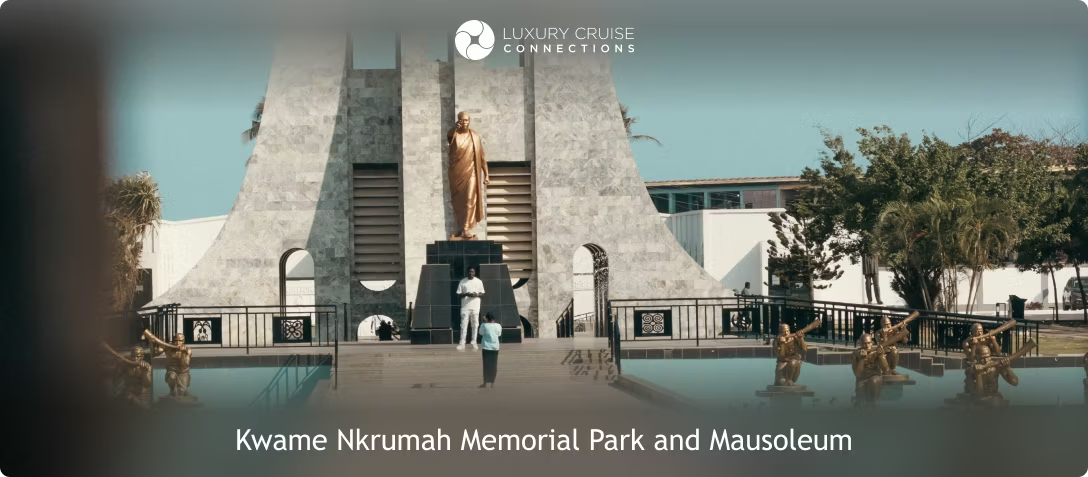
    The Kwame Nkrumah Mausoleum is a national memorial in Accra and an important site of Ghana's independence history. Kwame Nkrumah was the first president of Ghana and a leading figure in the Pan-African movement. The Kwame Nkrumah Mausoleum stands on the former British colonial polo grounds where Nkrumah declared independence in 1957. The five-acre complex contains Nkrumah’s mausoleum, a museum, gardens, and new facilities added in a 2023 redesign. The structure, shaped like an upside-down sword, reflects Akan symbols of peace and honours Nkrumah’s Pan-African legacy.
     Visit the Kwame Nkrumah Mausoleum

    Highlights of the Kwame Nkrumah Mausoleum include the marble mausoleum topped with a black star that represents African unity. Another highlight is the on-site museum, which displays personal belongings, photographs, and speeches from Nkrumah’s life. Another highlight is the grave marker surrounded by river stones and lit by a skylight within the tomb. Another Kwame Nkrumah Mausoleum highlight is the renovated site’s additions, including a presidential library, digital exhibits, a gift shop, and Freedom Hall.

    Visiting the Kwame Nkrumah Mausoleum connects travelers with the story of Ghana’s independence and its founding leader. Visitors walk through landscaped grounds and approach the marble mausoleum over a shallow pool symbolizing life. They observe Nkrumah’s grave and view artifacts tracing his journey from activism to presidency. Visitors explore digital displays in Freedom Hall and pass through an audio-visual tunnel showing scenes from Ghana’s independence.

    The best time to visit the Kwame Nkrumah Mausoleum is in the dry season (November to March) when Accra’s weather is cooler for walking around the grounds

    Local guides lead tours of the Kwame Nkrumah Mausoleum and explain Nkrumah’s life, his Pan-African ideals and the symbolism built into the site.

    Entry to the Kwame Nkrumah Mausoleum costs $7 USD for non-Ghanaian adults.

  • Enjoy the vibrant Makola Market in Accra

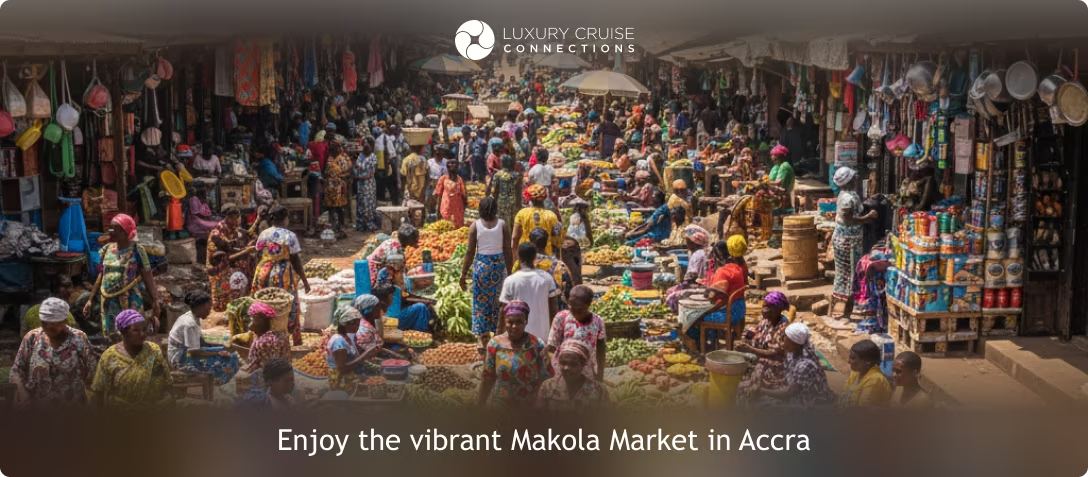
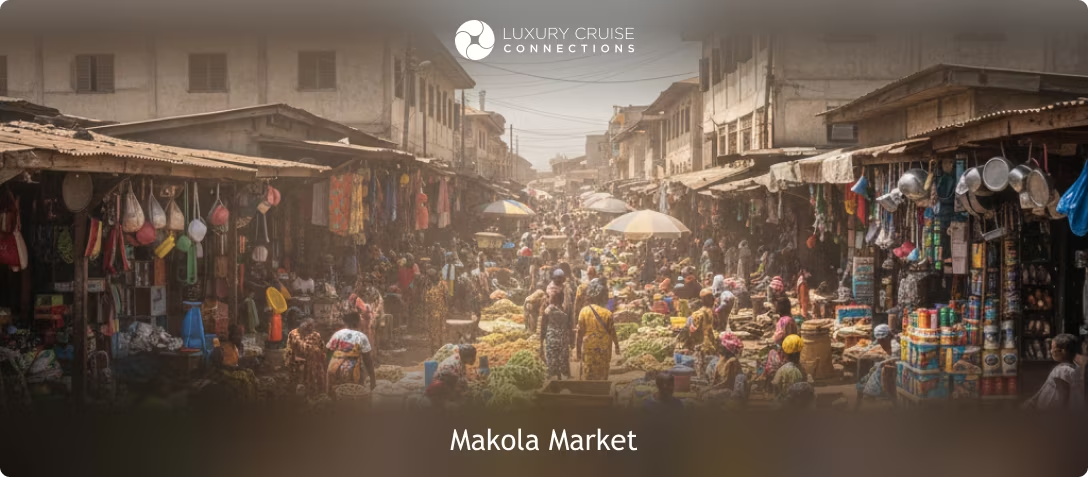
    Makola Market is Accra’s largest open‑air marketplace and a must-visit shopping district in central Ghana. Makola Market was constructed in 1924 and has served as a hub for wholesale and retail trade for generations of Ghanaians. The market is spread over 10 streets and is one of the busiest markets in West Africa. Makola Market features stalls selling produce, textiles, handcrafted jewellery, shoes, tools, traditional medicine, and everyday goods. Makola Market’s energy, colorful goods, and busy lanes offer visitors a rich glimpse into Ghanaian culture and daily life.
    Enjoy the vibrant Makola Market in Accra

    Highlights of Makola Market include the textile section filled with sacred, handwoven Kente fabric and wax prints. Another highlight of Makola Market is the fresh produce area full of tropical fruits and vegetables such as yams, plantains and peppers. It also offers local spices like cloves, grains of selim, and ginger. Another Makola Market highlight is the crafts and bead stalls that showcase Ghanaian jewellery, woven baskets, carved stools, and shea butter products.

    Enjoying Makola Market is an immersive cultural experience and one of the best ways to feel Accra’s energy. Visitors weave through narrow alleys packed with market vendors calling out their wares. They browse racks of clothing and leather goods, stop for street food snacks, and bargain for handmade souvenirs. Visitors photograph fresh produce and spices piled high and watch beadmakers at work.

    The best time to visit Makola Market is during the dry season (November to March) when cooler weather creates more comfortable walking conditions.

    The best time to visit Makola Market is during the dry season (November to March) when cooler weather creates more comfortable walking conditions.

    Entry to Makola Market is free of charge.


What are the Most Popular Tourist Attractions in Ghana?

The most popular tourist attractions in Ghana are listed below.

  • Kwame Nkrumah Memorial Park and Mausoleum
  • Kakum National Park
  • Cape Coast Castle
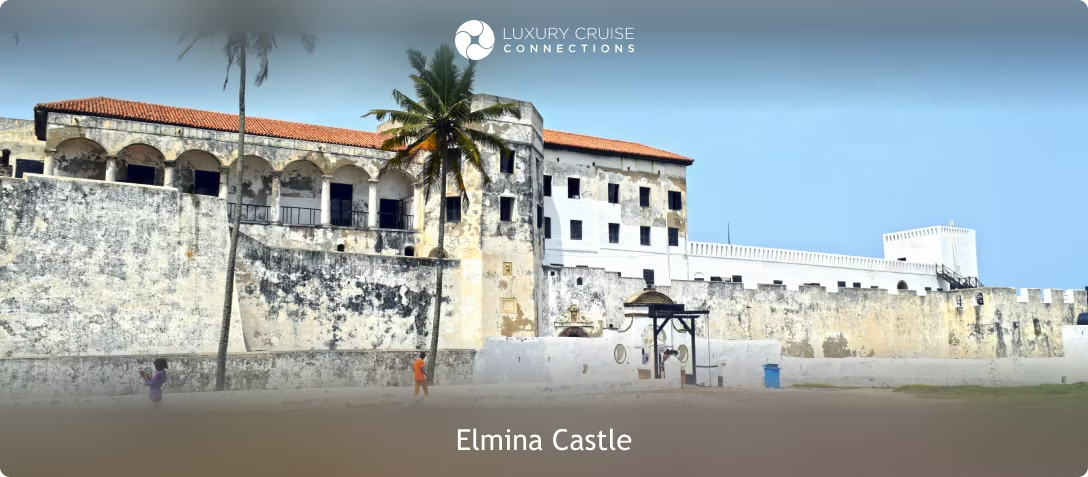
  • Elmina Castle
  • Mole National Park
  • Aburi Botanical Gardens
  • Makola Market
  • Kwame Nkrumah Memorial Park and Mausoleum

    The Kwame Nkrumah Memorial Park and Mausoleum is a national memorial in Accra that honors Ghana’s first president. The Kwame Nkrumah site attracts tourists for its symbolic design, peaceful gardens, and strong ties to Ghana’s independence history.
    Kwame Nkrumah Memorial Park and Mausoleum
  • Kakum National Park

    Kakum National Park is a protected tropical rainforest in southern Ghana near Cape Coast. Kakum National Park is popular with tourists for its elevated canopy walkway, dense forest scenery, and rare wildlife encounters.
    Kakum National Park
  • Cape Coast Castle

    Cape Coast Castle is a historic coastal fortress in Ghana’s Central Region. Cape Coast Castle attracts tourists to its preserved dungeons, museum exhibits, and important role in the transatlantic slave trade.
    Cape Coast Castle
  • Elmina Castle

    Elmina Castle is a fifteenth century European fortress on Ghana’s Atlantic coast. Elmina Castle attracts tourists because of its age and detailed interpretation of the slave trade.
    Elmina Castle
  • Mole National Park

    Mole National Park is Ghana’s largest wildlife reserve located in the northern savannah zone. Mole National Park is popular for close range elephant sightings, open landscapes, and guided walking safaris.
    Mole National Park
  • Aburi Botanical Gardens

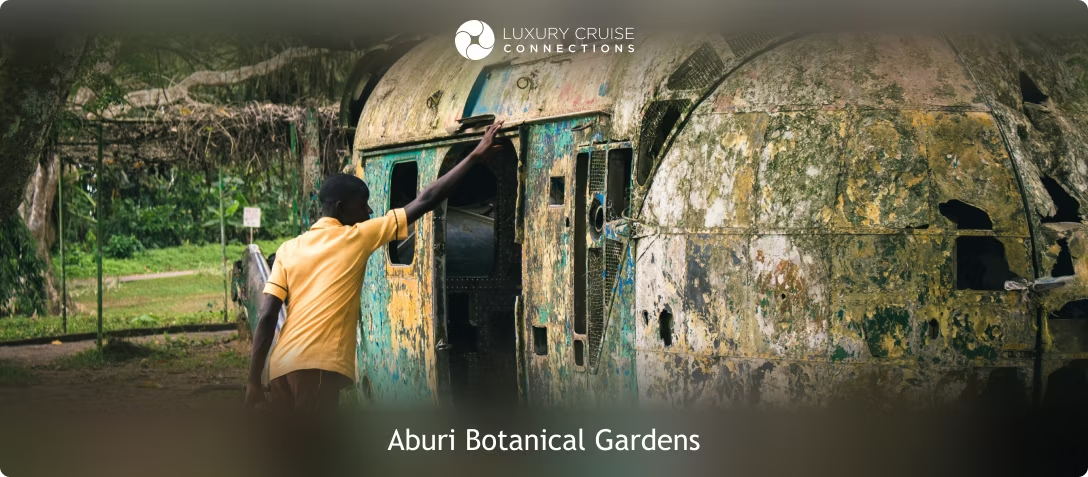
    Aburi Botanical Gardens is a historic botanical park in Ghana’s Eastern Region. Aburi Botanical Gardens appeals to tourists for its cool climate, colonial design, and diverse plant collections.
    Aburi Botanical Gardens
  • Makola Market

    Makola Market is the largest open air market in Ghana and a central trading hub in Accra. Makola Market attracts tourists with its vibrant energy, colorful handmade goods, and opportunities for people-watching.
    Makola Market


Which Vacation Spots in Ghana Are Best for Beach Lovers?

The vacation spots in Ghana that are best for beach lovers are listed below:


What are the Best Things to Do in Ghana for First-Time Visitors?

The best things to do in Ghana for first-time visitors are listed below.

Cape Coast Castle is a fortress and UNESCO World Heritage Site on Ghana’s central coast. Visiting Cape Coast Castle helps first-time visitors understand Ghana’s historical connection to the Atlantic slave trade.
The Kakum Canopy Walkway is a suspended bridge system in southern Ghana’s Kakum National Park. The Kakum Canopy Walkway gives first-time visitors a memorable outdoor experience in Ghana’s lush rainforest.
Accra is the capital city of Ghana and the main gateway for most international travelers. Exploring Accra’s landmarks (Kwame Nkrumah Mausoleum, Makola Market, W.E.B. Du Bois Center, Independence Arch) introduces first-time visitors to Ghana’s urban culture, independence history, and local markets.
Mole National Park is Ghana’s top wildlife destination and located in the northern savannah region. Taking a safari in Mole offers first-time visitors a chance to see elephants, antelope, and birds in their natural habitat.
Busua Beach is a well-known beach town in Ghana’s Western Region. Relaxing at Busua Beach lets first-time visitors experience Busua’s coastline, food, surf culture and laid-back vibe.

What makes Ghana a Beautiful Country to Visit?

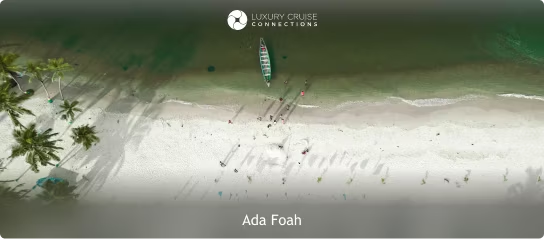
Ghana is a beautiful country to visit for three reasons. The first reason is Ghana’s coastal and natural variety. Ghana features golden beaches (Busua, Ada Foah), tropical rainforests (Kakum National Park), savannah plains (Mole National Park), waterfalls, and vast inland lakes. The second reason Ghana is a beautiful country to visit is its vibrant cultural identity. Ghana’s heritage is visible in its craft villages, royal festivals, and markets. Visitors watch kente cloth being woven in Bonwire, explore the Manhyia Palace Museum in Kumasi, and witness drumming and dance in coastal communities. The third reason Ghana is a beautiful country to visit is its warm and welcoming hospitality. Visitors often chat with locals in markets, meet friendly shopkeepers, and feel at ease in popular towns like Accra, Cape Coast, and Kumasi.

How can I experience Local Culture in Ghana?

You can experience local culture in Ghana by exploring towns on foot, visiting craft villages and cultural centers, exploring traditional food, and joining local festivals.

Firstly, experience daily life in Ghana by walking through lively neighborhoods, coastal towns, and city markets. In Accra, Kumasi, and Cape Coast, visitors see open-air stalls, informal street vendors, and daily routines unfolding in real time. Secondly, visit craft villages and cultural centers to observe local Ghanaian artisans at work. In Bonwire, kente weavers use traditional looms. In Ntonso, artisans create Adinkra cloth stamped with symbolic patterns. In the Kumasi Cultural Centre, visitors watch live demonstrations of carving, beadmaking, and pottery. Thirdly, explore Ghanaian food in local chop bars or street stalls. Ghanaian dishes like waakye, fufu with light soup, and kelewele are served in communal settings and reflect regional ingredients. Finally, join a local festival to experience Ghanaian music, dance, and spiritual customs. The Aboakyer Festival and the Ada Asafotufiam Festival feature colorful parades, traditional dress, and community rituals.

Are there Activities in Ghana Perfect for Families with Children?

Yes, there are activities in Ghana perfect for families with children because the country offers wildlife encounters, historical learning, outdoor adventure, and safe beaches. At Mole National Park, families with children take guided safari drives and spot elephants, monkeys, and antelope. At Kakum National Park, they explore the canopy walkway and hike short and child-friendly forest trails.

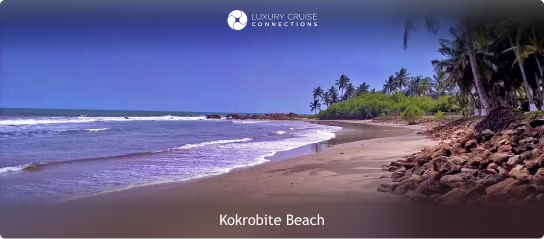
In Accra, the Kwame Nkrumah Mausoleum and W.E.B. Du Bois Center introduces families to Ghana’s independence history through visual exhibits and quiet gardens. The Ghana Planetarium and Legon Botanical Gardens offer family-friendly spaces for science and nature play. At Cape Coast Castle, older children learn about the Atlantic slave trade with guided tours adapted for age. Along the coast, Busua Beach and Kokrobite Beach have calm surf, space for games, and casual eateries suited to families. Boat trips on Lake Volta or visits to bead-making workshops in Krobo also provide hands-on, educational fun for travelers of all ages.

Are there Fun Things to Do in Ghana for Outdoor Adventures?

Yes, there are fun things to do in Ghana for outdoor adventures because the country offers a mix of forests, coastlines, rivers, and savannah landscapes. Kakum National Park offers fun canopy walks across suspended bridges and dense rainforest. Ghana’s Volta Region offers outdoor adventures like mountain hiking, waterfall swimming, lake kayaking around Mount Afadja and Wli Falls, and fishing. Coastal Ghana offers surf and beach activities along the Atlantic near Busua and Kokrobite.Volta. Northern Ghana offers savannah adventure through wildlife viewing and guided walking safaris in Mole National Park.

Best Things to Do Around the World

Discover the best activities, landmarks, and experiences in every cruise destination and port of call.

Europe Western, Central & Mediterranean
America North, Central, South & Caribbean
Africa & Asia Oceania & Antarctica