10 Best Things to Do in Gambia

The 10 best things to do in Gambia include visiting Kunta Kinteh Island, exploring Abuko Nature Reserve, relaxing at Kol...

add

The 10 best things to do in Gambia include visiting Kunta Kinteh Island, exploring Abuko Nature Reserve, relaxing at Kololi Beach, discovering the National Museum of Gambia, and taking a river cruise on the Gambia River. Other Gambia highlights include visiting the Arch 22 Monument, experiencing the Tanji Bird Reserve, going on a wildlife safari in Kiang West National Park, visiting the Gambia Horse and Donkey Trust, and enjoying the lively Serekunda Market.

Gambia (also “The Gambia”) is a narrow West African country with unique river landscapes, vibrant ethnic traditions, and rich biodiversity. The range of things to do in Gambia includes nature walks, museum visits, river exploration, and wildlife viewing. Travelers searching for places to visit in Gambia will find both historical sites, vibrant cities and biodiverse reserves. Deciding what to do in Gambia depends on the balance travelers want between historic discovery, beach downtime, and wildlife exploration.

  • Visit Kunta Kinteh Island
  • Explore Abuko Nature Reserve
  • Relax at Kololi Beach
  • Discover the National Museum of Gambia
  • Take a River Cruise on the Gambia River
  • Visit the Arch 22 Monument
  • Experience the Tanji Bird Reserve
  • Go on a Wildlife Safari in Kiang West National Park
  • Visit the Gambia Horse and Donkey Trust
  • Enjoy the lively Serekunda Market
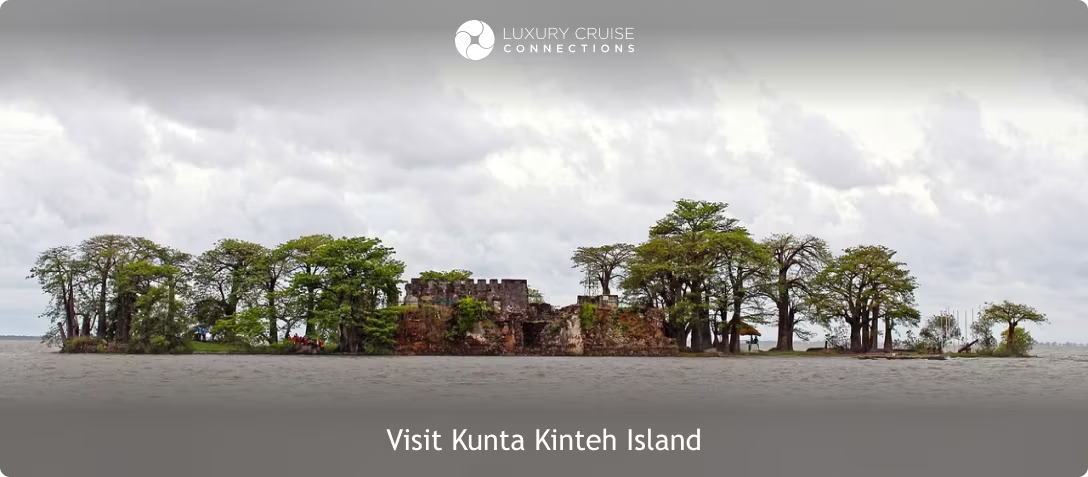
  • Visit Kunta Kinteh Island

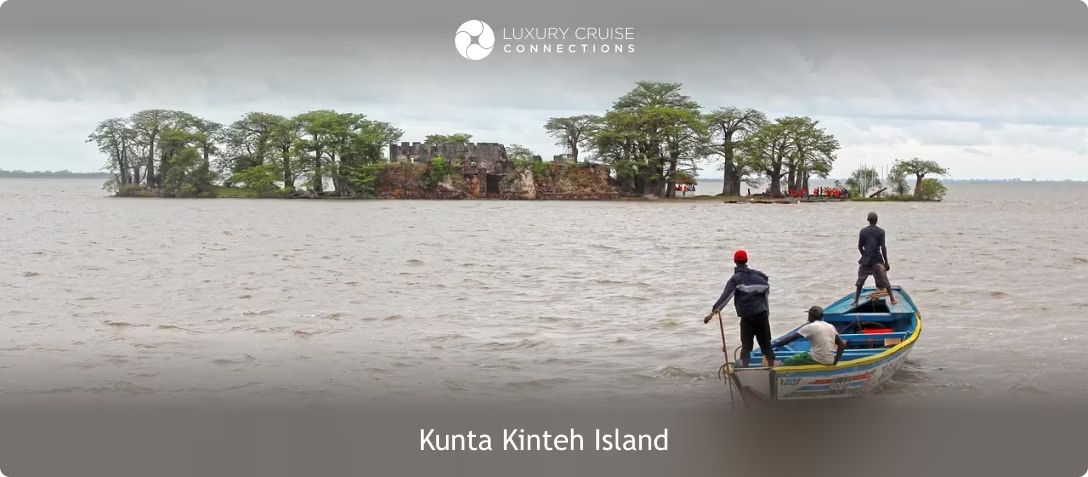
    A visit to Kunta Kinteh Island brings insight into Gambia’s history of slavery-era transport and British colonial military expansion. Kunta Kinteh Island is a small river island in the Gambia River near the village of Juffureh. Kunta Kinteh forms part of the UNESCO-listed sites that document West Africa’s role in the transatlantic slave trade. The island contains British fort ruins, trade relics and a surrounding mangrove environment. Kunta Kinteh preserves tangible connections to Africa’s displaced peoples and oral traditions.
    Visit Kunta Kinteh Island

    Highlights of Kunta Kinteh Island include the stone ruins of Fort James built by the British in 1661. Fort James’s thick defensive walls stand above the Gambia River. Another highlight is the small museum on the island with artifacts linked to slave transport and European traders. Another key attraction is the riverside lookout near the landing jetty where boats pass through mangrove corridors. Nearby, the villages of Albreda and Juffureh hold a symbolic archive and oral history collection about enslaved Gambians, including the ancestry of writer Alex Haley.

    Visiting Kunta Kinteh Island offers a profound and educational experience of West African slave trade history on the Gambia River. Visitors take a motorized boat from Juffureh and approach the low mangrove shore. They explore stone ruins of Fort James and photograph river views from the collapsed gun placements. They listen to guides recount slave-era passages and explain local oral links to Alex Haley’s Kunta Kinteh. Visitors enter the Slavery Museum and witness exhibits and artifacts about the harsh realities of slavery.

    The best time to visit Kunta Kinteh Island is from November to May when dry-season river conditions allow safe and smooth ferry crossings.

    Local guides lead tours in Kunta Kinteh and provide context about the slave trade and the stories of those taken from the area.

    Day tours to Kunta Kinteh Island and the museum cost around $60 - 150 USD depending on group size, inclusions, and tour duration.

  • Explore Abuko Nature Reserve

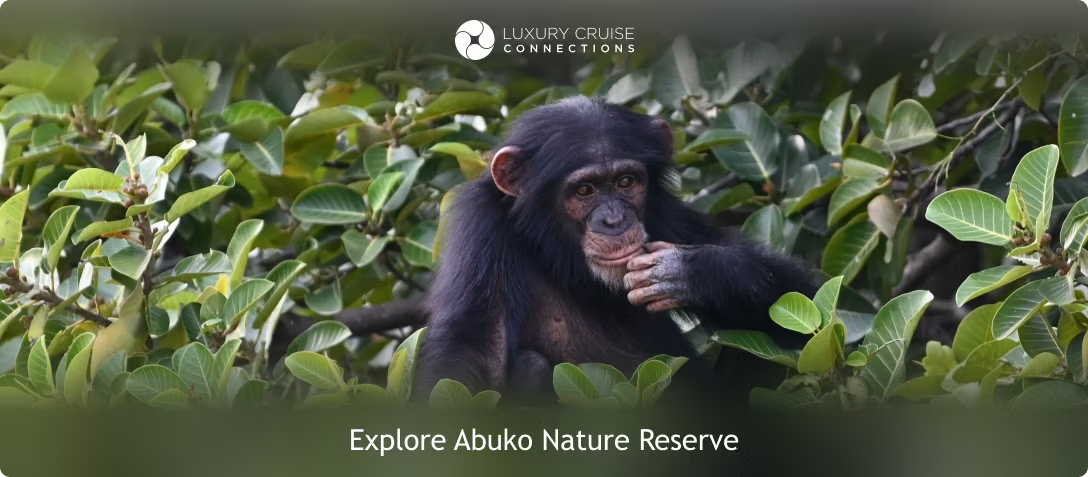
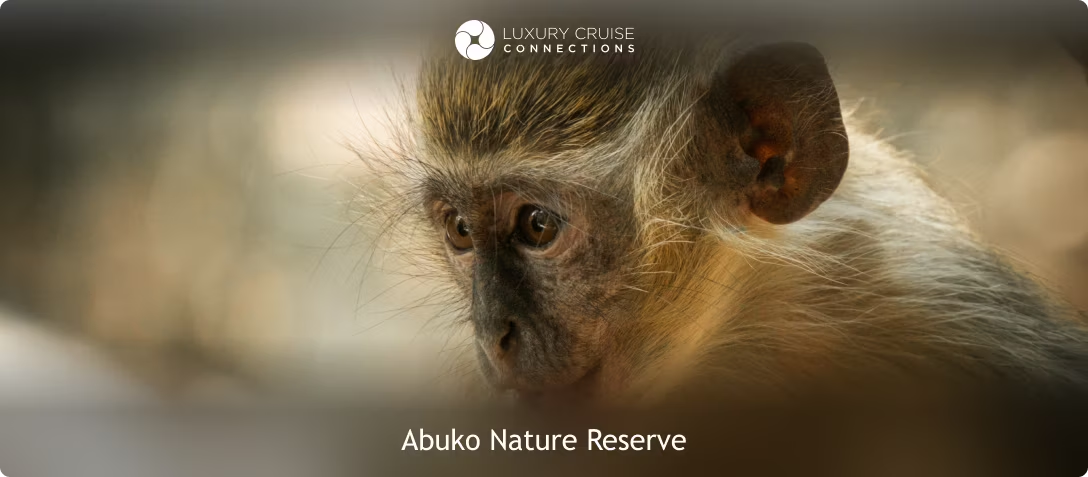
    Abuko Nature Reserve is Gambia’s first protected park and it preserves biodiversity within one of the country’s densest wildlife corridors. The reserve is located 12 kilometres south of Banjul in the Kombo North District. It protects riverine forest, wetland and savannah habitats across 106 hectares and hosts over 250 bird species and 52 mammal species. Visitors exploring Abuko Nature Reserve find forest trails, fresh water pools and canopy-covered walkways that support colobus monkeys, duikers and antelope. Abuko Nature Reserve is a popular eco-tourism site and remains an accessible example of Gambian forest ecology and conservation.
    Explore Abuko Nature Reserve

    The main highlights of Abuko Nature Reserve include walking under a dense forest canopy and spotting wildlife at close range. Another highlight is the shaded nature trail, where vervet and red colobus monkeys move through the treetops. Another highlight is the freshwater pool, where herons, jacanas, and kingfishers gather in the early hours. Another highlight is the raised viewing platform, which provides a clear view of bushbuck and monitor lizards. Another highlight of Abuko Nature Reserve is the animal orphanage that shelters hyenas, baboons, and vultures.

    Exploring Abuko Nature Reserve offers a peaceful experience of Gambian forest life. Visitors enter through a shaded gate near Lamin and walk a 5-kilometer loop. Trails wind through forest, marsh, and savanna edges. Along the way, travelers pause at waterholes to observe birds like African goshawks and turacos. They linger at the viewing platform to watch monkeys and antelope foraging. Visitors often stop by the Darwin Field Station for insight into conservation efforts, or browse local crafts at the on-site market. After the Abuko Nature Reserve walk, many tours continue to Lamin Lodge, a riverside restaurant built on stilts above mangroves. Visitors eat traditional Gambian dishes and enjoy views over the Gambia River tributary.

    The best time to explore Abuko Nature Reserve is from November to April when skies are clear and trails are dry.

    Knowledgeable local guides are available for hire at the entrance of Abuko Nature Reserve. Guides provide valuable insights into the wildlife, plants, and the nature reserve’s conservation efforts.

    Entry to Abuko Nature Reserve costs under $1 USD per adult. Binoculars rental costs $1 USD. Conservation donations are encouraged.

  • Relax at Kololi Beach

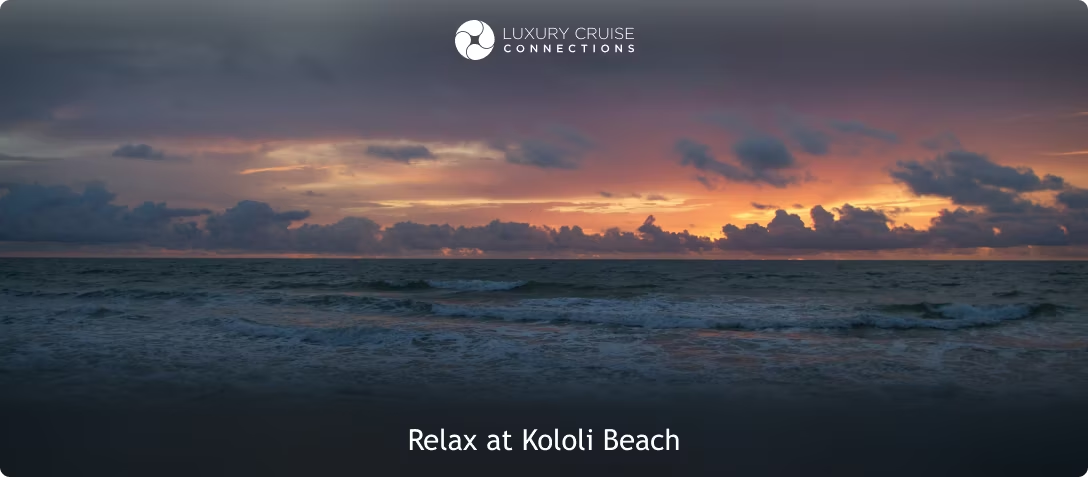
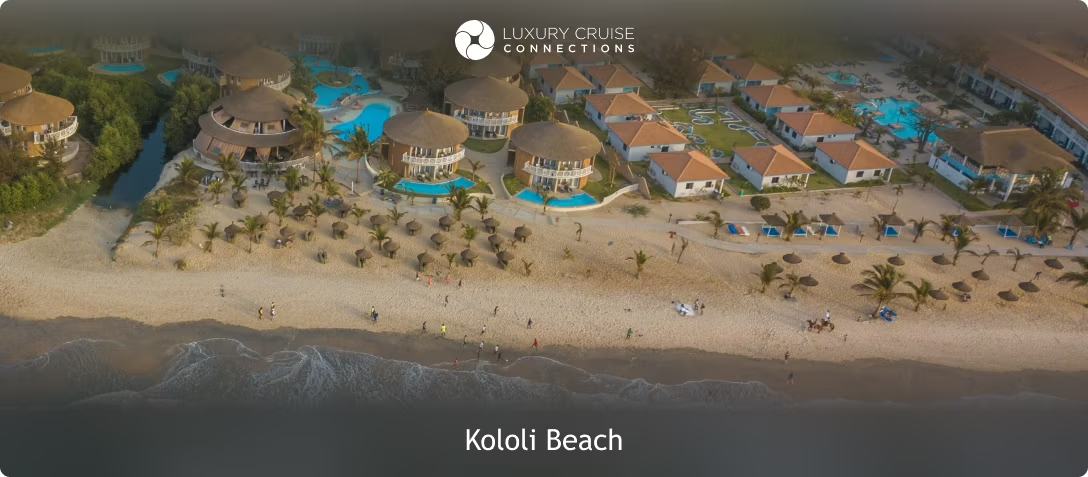
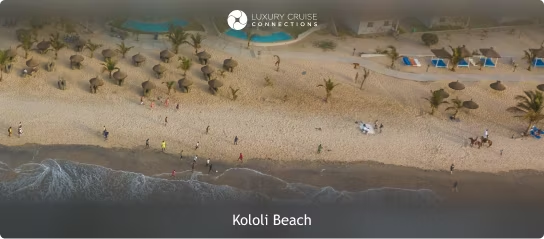
    Kololi Beach is a popular beach near the Senegambia area in western Gambia. Kololi Beach ranks among the country’s most visited beaches due to its wide shoreline and tourist infrastructure. Kololi features golden sand and tropical vegetation. Its mild surf zone provides year-round swimming conditions. Kololi Beach is close to hotels, beach clubs, restaurants and nightclubs, making it a hotspot for relaxing vacations.
    Relax at Kololi Beach

    Highlights of Kololi Beach include its wide stretch of golden sand, which supports sunbathing, beach football, shoreline walks, and casual swimming. Kololi Beach’s warm Atlantic water is suitable for paddling and seasonal surfing. Another key attraction is the Senegambia Strip nearby which offers beachfront dining and evening live music. Local food stalls, beach loungers and small craft vendors give Kololi Beach a steady buzz of activity. Another highlight is Kololi Beach’s scenic sunset hour when the horizon lights up behind calm surf and scattered fishing boats.

    Visitors to Kololi Beach experience a balance of relaxation and activity along one of Gambia’s most accessible coastlines. Mornings often begin with swimming in the sea or taking beach walks. Thrill-seekers enjoy water sports like jet skiing, kayaking, or windsurfing. Others take boat tours or fishing trips to explore offshore. On land, guests unwind in Kololi Beach’s beachfront resorts with loungers, garden paths, and massage services. In the evenings, visitors shift to the nearby Senegambia Strip and enjoy Gambian seafood, music, and bars.

    The best time to visit Kololi Beach is from November to April when sunny weather and low rainfall create perfect beach weather.

    Beach operators and hotel staff assist visitors with loungers, refreshments and local services along the shoreline.

    Access to Kololi Beach is free. Lounger and umbrella rentals range from US$5 to US$10 per day.

  • Discover the National Museum of Gambia

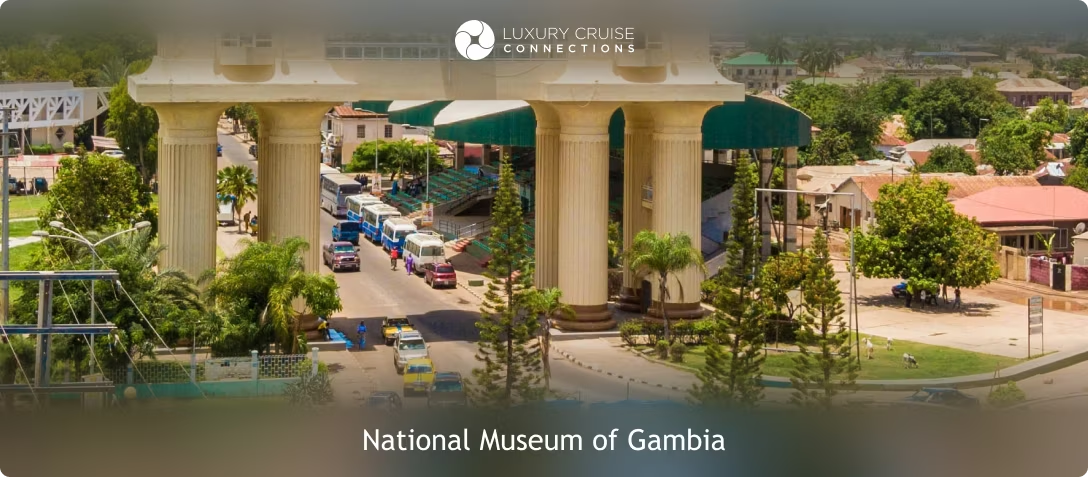
    The National Museum of Gambia is a historical and cultural museum located in Gambia’s capital city, Banjul. The museum’s exhibits trace Gambian history from prehistoric times through colonial rule to independence. It is housed in a former colonial building and contains exhibits across three floors. Museum collections include archaeological finds, traditional instruments, colonial-era uniforms, and post-independence memorabilia. The museum highlights the material culture of Gambia’s major ethnic groups. It plays a central role in education, attracting both tourists and local school groups seeking to understand Gambia’s past.
    Discover the National Museum of Gambia

    Highlights of the National Museum of The Gambia include the ground-floor exhibition that traces the political and cultural history of the nation's capital, Banjul. Artifacts document Banjul’s evolution from colonial Bathurst to its modern role as Gambia’s capital. Another highlight is the basement-level gallery of traditional instruments like the kora and balafon, representing Mandinka and Wolof musical traditions. Another highlight is the archaeological display upstairs which features stone-age tools and links to early shell-mound societies.

    Visiting the National Museum of The Gambia enables a deeper appreciation of Gambian identity and history. Guests enter via Independence Drive and pass a small craft market before exploring the museum’s three-level layout. Visitors begin with historical photographs and early city life displays on the ground floor. They then descend to the musical heritage section in the basement to learn about Gambian instruments. They then ascend to the upper floor to browse archaeological artifacts, colonial-era documents, and symbols of independence. Visitors purchase souvenirs, books and postcards in the small museum shop before exiting.

    The National Museum of Gambia is open and enjoyable year-round.

    Local staff at the National Museum of Gambia lead guided tours in English, Wolof or Mandinka. Museum guides explain artifacts, cultural context and archaeological significance of exhibits.

    Entry to the National Museum of The Gambia is approximately $1 USD for adults.

  • Take a River Cruise on the Gambia River

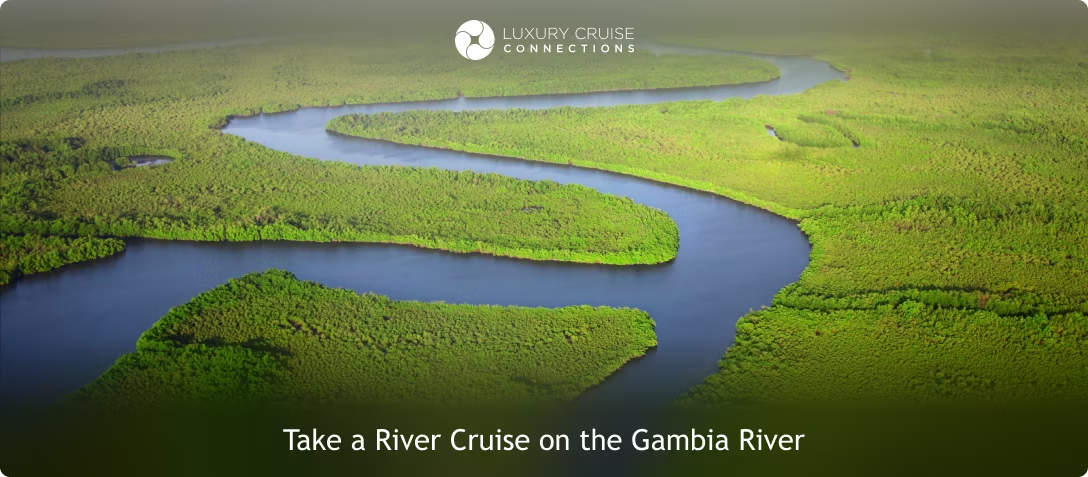
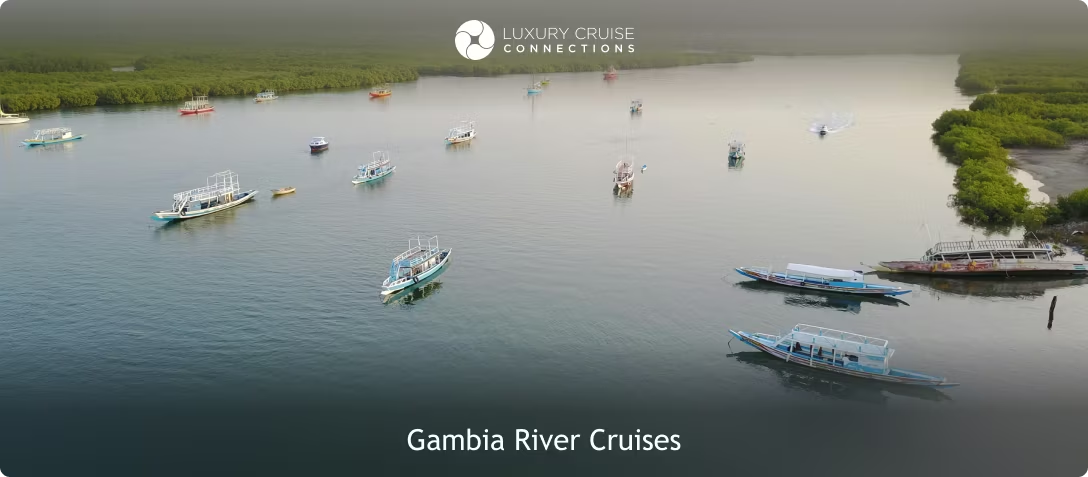
    The Gambia River flows across the country and shapes its landscapes, wildlife habitats, and riverside communities. Taking a river cruise on the Gambia River offers direct access to the country’s landscapes, wildlife and traditional riverside life. The river stretches 1,120 kilometres from Guinea to the Atlantic Ocean at Banjul. The riverbanks of the Gambia River host rural villages and rice fields. The Gambia River’s lower sections pass through mangroves, floodplains, and wetlands that support hippos, crocodiles, and more than 500 bird species. River cruises on the Gambia River range from day trips to multi-day cruises and offer different experiences depending on traveler interest.
    Take a River Cruise on the Gambia River

    River cruises on the Gambia River are available as day trips or longer multi-day voyages, each with distinct highlights. Day cruises typically follow mangrove-lined creeks where visitors spot monkeys, dolphins, and wetland birds. Another cruise highlight is the chance to fish, swim, and enjoy onboard meals. Another highlight is visiting nature reserves such as Bao Bolong for birdwatching and riverside scenery. Longer cruises highlight cultural exploration, with stops at historic sites like Kunta Kinteh Island and the Wassu Stone Circles.

    Taking a river cruise offers a relaxed and immersive river-journey experience in Gambia. Visitors board river cruises from Banjul and Denton Bridge for trips ranging from a few hours to a full week. Day cruises wind through shaded creeks where birds and monkeys appear along the banks. Passengers pause for activities like swimming, fishing, or lunch on deck. On longer journeys, travelers dock at riverside villages and the Wassu Stone Circles. Here, they walk through historic grounds, listen to stories from local guides, and observe daily life along the Gambia River.

    The best time to take a river cruise on the Gambia River is from November to April when water levels are stable, skies are clear and wildlife visibility is high.

    Experienced local boat crews and naturalist guides accompany the river cruise. Guides point out wildlife, manage the route through creeks and provide commentary on the river’s ecosystem.

    A day cruise on the Gambia river costs between $50 - $130 USD, depending on the vessel type, cruise duration and inclusions.

  • Visit the Arch 22 Monument

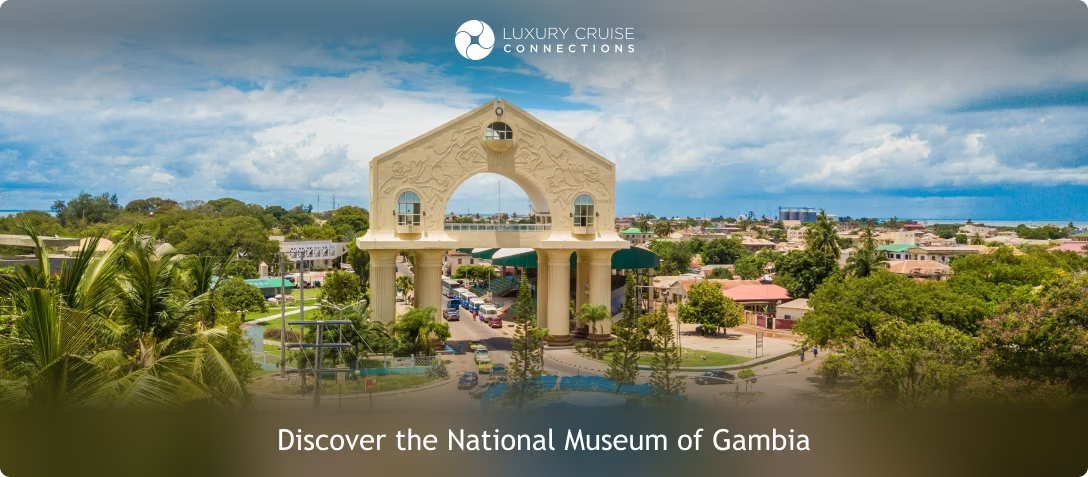
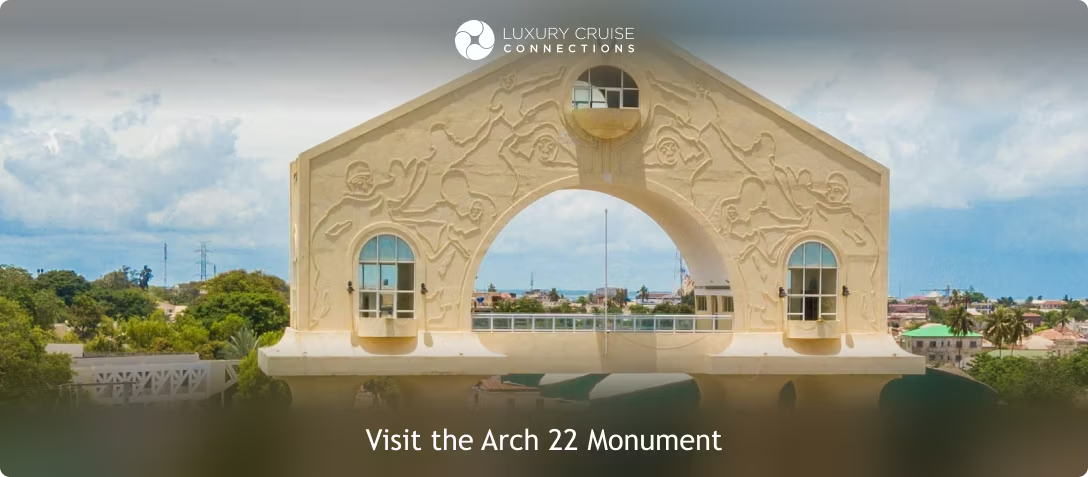
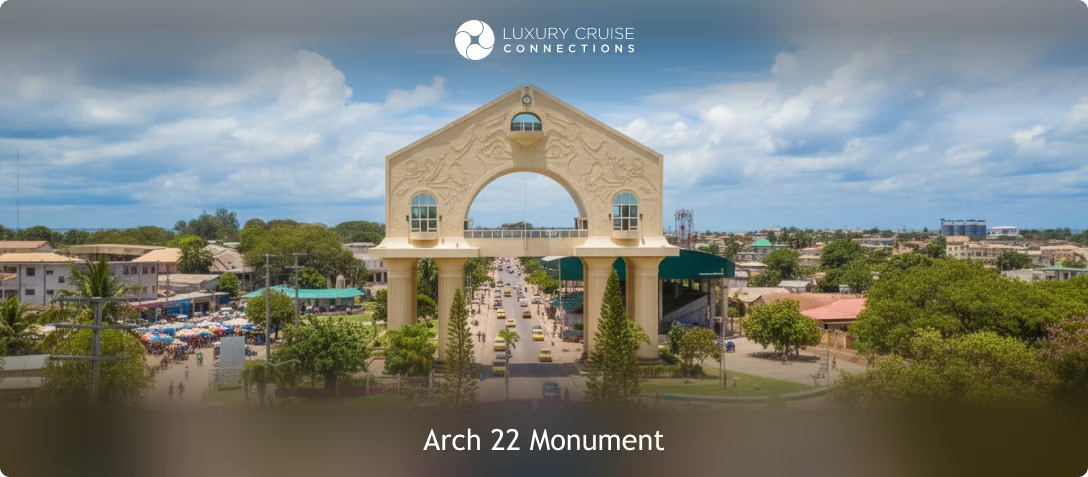
    The Arch 22 monument is an important landmark that commemorates Gambia’s military coup of 22 July 1994 when President Dawda Jawara was overthrown. Arch 22 is located on the Banjul‑Serekunda Highway and serves as a gateway welcoming visitors into the city. The arch rises approximately 35 metres and stands upon eight fluted columns arranged in a neoclassical style. Arch 22 structure was inaugurated on 22 July 1996. Visitors are able to ascend Arch 22 to enjoy panoramic views of the city, the river and the surrounding mangroves.
    Visit the Arch 22 Monument

    Highlights of Arch 22 include the observation gallery on the second floor which offers visitors impressive views of Banjul, the Gambia River estuary and the adjacent Tanbi Mangrove Reserve. Another highlight is the small museum located on the top floor which displays textiles and exhibits linked to Arch 22’s history. Another key attraction is the statue of the “unknown soldier” at the base of Arch 22. The statue depicts a rifle‑bearing figure holding a child and making a victory sign.

    Visiting Arch 22 offers a layered experience of architecture, history and cityscape. Visitors arrive by taxi or minibus at the traffic circle near Box Bar Road and step beneath the arch’s massive columns. They climb the 100 - 150 steps of Arch 22’s spiral staircase or ride the lift to the observation level. Visitors here admire dramatic views of Banjul’s low‑rise skyline, the Gambia River and mangrove swamps. After observing the exhibits upstairs, visitors descend to the plaza to photograph the monument.

    The best time to visit Arch 22 is during the dry season from November to April when clear skies improve visibility from the observation deck.

    HLocal guides in Banjul typically include Arch 22 as a stop during city tours. Guides provide context about its design, symbolism and the 1994 coup that brought Yahya Jammeh into power.

    Entrance to Arch 22 costs under $1 USD per person and includes access to the observation deck and museum.

  • Experience the Tanji Bird Reserve

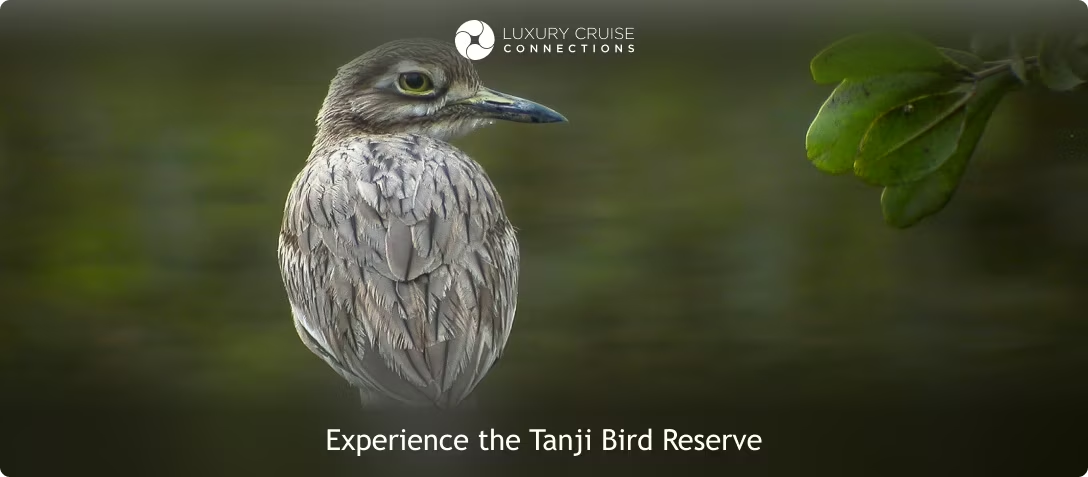
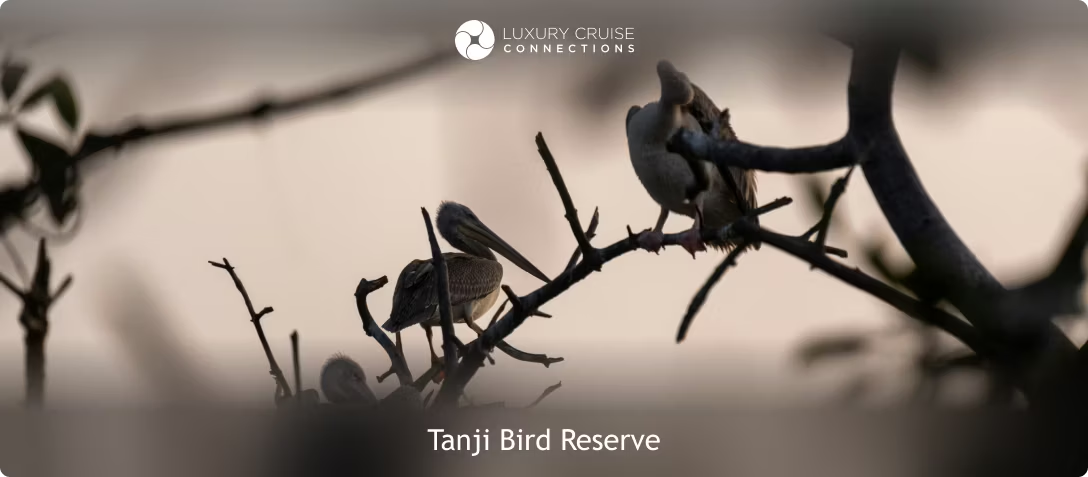
    The Tanji Bird Reserve is a coastal protected area in Western Gambia. Tanji Bird Reserve is a globally recognized Important Bird Area (IBA) and provides visitors with exceptional birdwatching opportunities. The reserve is home to over 300 recorded bird species, including Caspian terns, Senegal thick-knees and various migratory shorebirds. The reserve was established in 1993. It covers about 612 hectares of coastal scrub, mangroves, and tidal lagoons. Tanji also includes the offshore Bijol Islands which are an important breeding ground for marine birds and roosting site for pelicans and gulls.
     Experience the Tanji Bird Reserve

    Highlights of Tanji Bird Reserve include the mangrove‑lined trail beside the Tanji River estuary where birds like the Western reef heron and Caspian tern forage in tidal flats. Another highlight is the Bijol Islands off the coast where gulls and terns roost and sea‑turtles breed. Another key highlight of Tanji Bird Reserve is the series of coastal lagoons behind sand‑dunes where migrant raptors and waders gather by the hundreds each dry‑season.

    Visiting Tanji Bird Reserve offers an exciting experience of Gambia’s bird‑rich landscapes. Visitors walk along a wooden boardwalk through mangroves, mud‑flats and salt-tolerant vegetation. Guided walks follow footpaths along the edge of lagoons and creeks. Guests use binoculars to scan for terns, hornbills, and flamingos and guides explain local bird names and behaviors. Certain tours of Tanji Bird Reserve offer boat views of the Bijol Islands just offshore, where seabirds nest on sandbanks. Visitors often end the trip with a stop in Tanji village or fish market.

    The best time to visit Tanji Bird Reserve is from November to April when weather is pleasant for outdoor excursions and migratory bird numbers peak.

    Local bird‑watching guides at Tanji Bird Reserve lead visitors on nature walks. Guides assist in identifying species, pointing out nests and explaining coastal ecology.

    Entry to Tanji Bird Reserve costs approximately US $0.50 per adult.

  • Go on a Wildlife Safari in Kiang West National Park

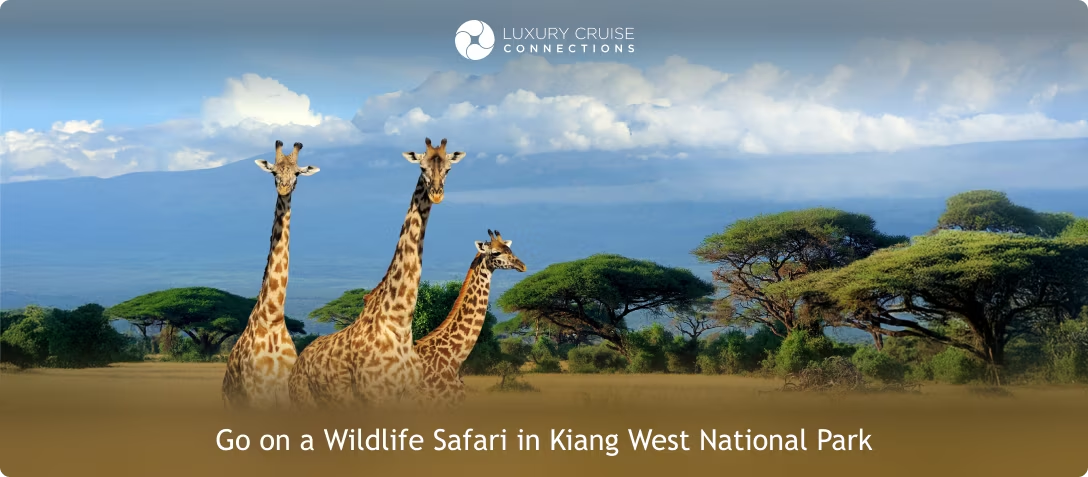
    Kiang West National Park is a protected wilderness area on the south bank of the Gambia River. Going on a wildlife safari in Kiang West National Park offers a chance to explore one of the country’s largest and most ecologically diverse reserves. The park spans 115 square kilometres of Guinea savanna, dry deciduous woodland, mangrove creeks, and seasonal wetlands. Kiang West National Park supports species such as warthogs, bushbuck, crocodiles, and over 300 bird species. Visitors typically access the park from Tendaba or Dumbuto, making it a key inland destination for nature and wildlife observation in The Gambia.
    Go on a Wildlife Safari in Kiang West National Park

    Highlights of going on a wildlife safari in Kiang West National Park include early morning game drives to spot bushbuck, warthogs, green monkeys, and the occasional sitatunga. Another highlight is guided boat trips through mangrove creeks, where visitors search for Nile crocodiles, West African manatees, and African clawless otters. Another highlight is birdwatching in tidal flats and woodland edges, with sightings of martial eagles, fish eagles, and secretary birds. Another highlight is the riverbank viewpoint at Toubab Kollon, which offers panoramic views over the Gambia River.

    A wildlife safari in Kiang West National Park is an exciting adventure in an important Gambian sanctuary. Travelers begin at the park gate near Dumbuto and move on foot, by 4x4, or by boat. Safari walks follow forest tracks where duikers dart into undergrowth and raptors circle overhead. Visitors cruise through bolongs (creeks) and make stops to watch jacanas, cormorants, and crocodiles. At sunset, guests gather near Toubab Kollon to take in the fading light and listen to bird calls. Visitors wanting to extend their time in the Gambian wilderness have an opportunity to camp overnight inside the park.

    The best time to explore Kiang West National Park is from November to January, when foliage is less dense and wildlife sightings are easier.

    Authorized local guides accompany safari walks and drives within Kiang West National Park, offering knowledge of habitat zones, animal behaviours and wildlife identification.

    TEntry to Kiang West National Park costs around $15 USD per person.

  • Visit the Gambia Horse and Donkey Trust

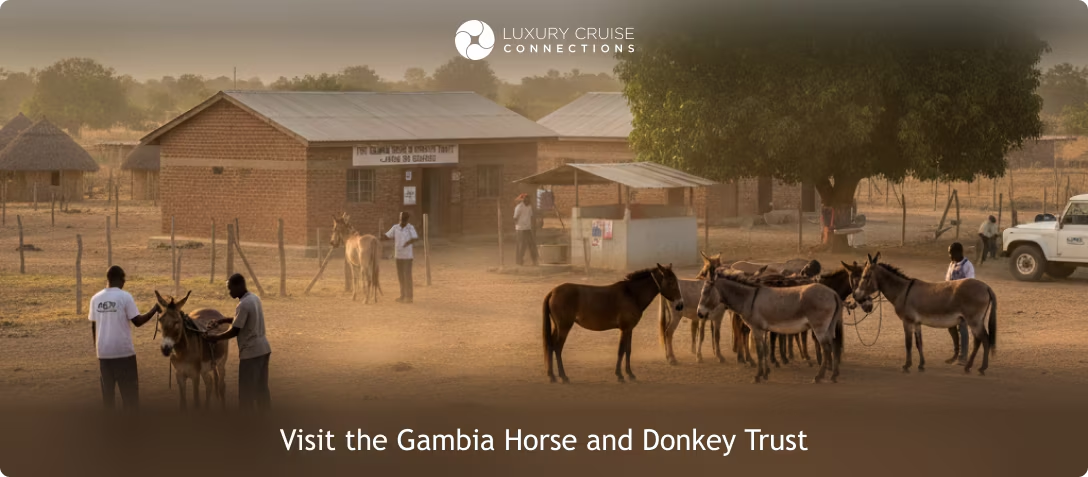
    The Gambia Horse and Donkey Trust is an animal welfare and education charity based near Sambel Kunda in central Gambia. The Trust specializes in the welfare of working equines like horses and donkeys. A visit to the Trust offers travelers a glimpse into a lesser‑seen side of rural life in Gambia where they see the connection between animals and local livelihoods. Gambian rural communities use horses and donkeys to pull carts, carry loads, and provide essential services for families. The Trust works with local owners to promote care, training, and sustainable use of these working animals
    Visit the Gambia Horse and Donkey Trust

    Highlights of visiting the Gambia Horse and Donkey Trust include meeting rescued and rehabilitated animals in a quiet rural setting. Another highlight is observing how staff and volunteers provide medical care, training, and feeding for horses and donkeys. Another highlight is learning how equines support rural livelihoods by transporting water, crops, and goods. The Gambia Horse and Donkey Trust is located nearby to Makasutu Culture Forest which hosts a popular craft market.

    Visiting the Gambia Horse and Donkey Trust offers a hands-on look at rural animal welfare in Gambia. Visitors arrive at the charity’s base near Sambel Kunda and tour stables, meet rescued animals, and watch staff provide care and training. Guided visits explain how working equines support Gambian families in agriculture and transport. Travelers often combine this with a visit to Makasutu Culture Forest. They browse the craft stalls at the start of the forest and enjoy forest walks through riverine scenery.

    The best time to visit the Gambia Horse and Donkey Trust is from November to April when daytime temperatures are most pleasant for walking outside.

    Staff from the Gambia Horse and Donkey Trust lead guided village visits and explain equine care practices.

    Entry to the Gambia Horse and Donkey Trust is free or on a donation basis.

  • Enjoy the lively Serekunda Market

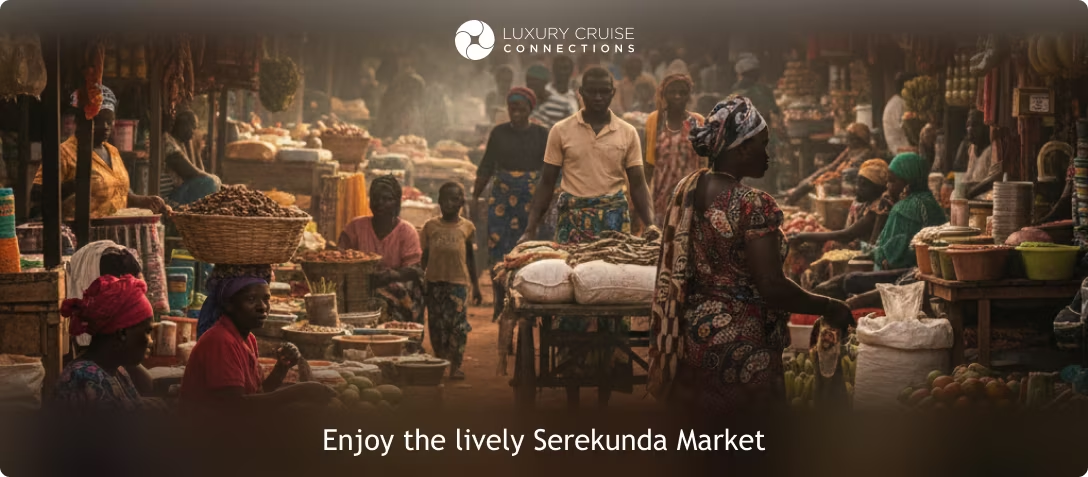
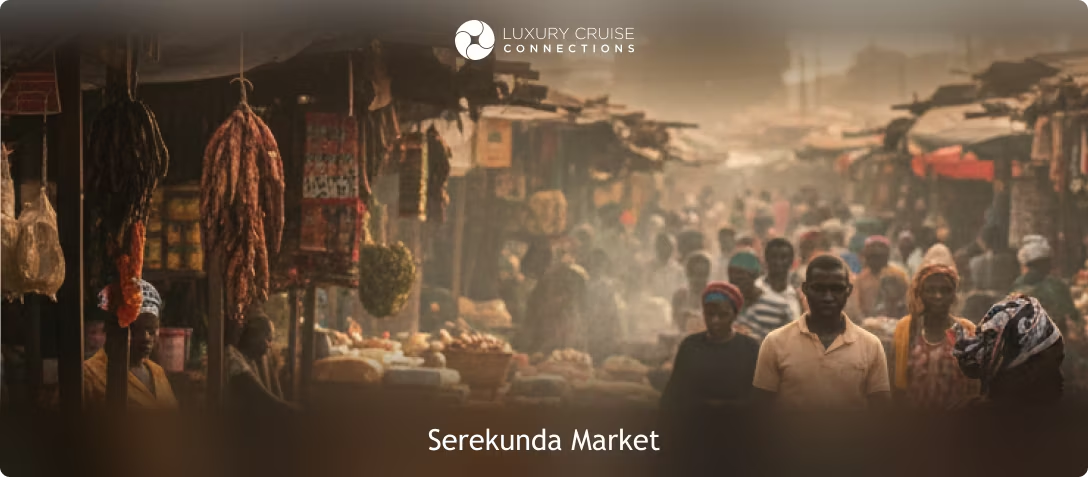
    Serekunda Market is a bustling open-air market in the town of Serekunda. Serekunda Market is the busiest and largest open‑air commercial hub in Gambia. It spans narrow alleyways, covered stalls and street‑front shops and draws vendors and shoppers from across the region. Serekunda Market sells everything from fresh produce and spices to fabrics, secondhand clothing, and household goods. Tourists visit Serekunda Market to shop, eat, and experience a taste of vibrant local life.
    Enjoy the lively Serekunda Market

    Highlights of Serekunda Market include its crowded walkways, lively exchanges, and the wide variety of goods on display. Among the most popular sections are the textile stalls, where visitors find bold wax prints, tie dye cloth, and secondhand clothing. Tailors working nearby make custom garments on request. Another highlight is the range of household goods. Another highlight is the craft section, where vendors sell wood carvings, straw baskets, and handmade batik pictures. Another highlight is the market’s food area, which offers fresh produce, local spices, and a covered section for fish and oysters.

    Visiting Serekunda Market is a sensory experience that reveals the pace and texture of urban life in Gambia. Visitors arrive in the morning and step into a maze of narrow lanes lined with stalls. They move between crates of vegetables, piles of secondhand clothes, and displays of spices. Visitors browse colorful fabrics, taste tropical fruit and haggle for wood carvings and sand paintings. Exploring Serekunda Market reveals how Gambians live, trade, and connect.

    The best time to visit Serekunda Market is from November to May, when humidity is low and temperatures are most pleasant for exploring the market.

    Local guides lead tours through Serekunda Market and share local stories, recommend vendors, and help with bargaining.

    Entry to Serekunda Market is free.


What are the Most Popular Tourist Attractions in Gambia?

The most popular tourist attractions in Gambia are listed below.

  • Kunta Kinteh Island
  • Abuko Nature Reserve
  • Kololi Beach
  • National Museum of Gambia
  • Gambia River Cruises
  • Arch 22 Monument
  • Tanji Bird Reserve
  • Serekunda Market
  • Kunta Kinteh Island

    Kunta Kinteh Island is located in the Gambia River and is one of the country’s most visited heritage sites. Tourists visit Kunta Kinteh Island to explore its colonial ruins and learn about Gambia’s role in the transatlantic slave trade.
    Kunta Kinteh Island
  • Abuko Nature Reserve

    Abuko Nature Reserve is Gambia’s oldest and most accessible wildlife park, attracting tourists for its forest trails and close-up sightings of wildlife. Abuko Nature Reserve is especially popular for short day trips from the coast and appeals to both tourists and school groups.
    Abuko Nature Reserve
  • Kololi Beach

    Kololi Beach is one of the most visited beaches in Gambia and famous for its relaxed resorts, and lively coastal atmosphere. Kololi Beach draws tourists for sunbathing, water sports, and access to the nearby Senegambia Strip.
    Kololi Beach
  • National Museum of Gambia

    The National Museum of Gambia in Banjul is an important cultural site that presents Gambia’s history from prehistory to independence. The National Museum is popular with tourists who want to understand Gambian heritage through exhibits of traditional instruments, colonial artifacts, and archaeological finds.
    National Museum of Gambia
  • Gambia River Cruises

    Gambia River Cruises are a popular way to experience the country’s natural beauty and cultural landmarks. Tourists choose Gambia River Cruises for wildlife spotting, peaceful scenery, and access to remote heritage sites like the Wassu Stone Circles and Kunta Kinteh Island.
    Gambia River Cruises
  • Arch 22 Monument

    Arch 22 Monument is one of the most photographed landmarks in Gambia and is located at the entrance to Banjul. Arch 22 Monument attracts tourists for its historic significance and panoramic views.
    Arch 22 Monument
  • Tanji Bird Reserve

    Tanji Bird Reserve is a popular destination for birdwatchers visiting Gambia. Tanji Bird Reserve is home to over 300 bird species across its lagoons, mangroves, and coastal scrub.
    Tanji Bird Reserve
  • Serekunda Market

    Serekunda Market is Gambia’s largest and busiest open-air market. Serekunda Market attracts tourists looking to experience the vibrant energy of urban life in Gambia.
    Serekunda Market


Which Vacation Spots in Gambia Are Best for Beach Lovers?

The vacation spots in Gambia that are best for beach lovers are listed below.


What are the Best Things to Do in Gambia for First-Time Visitors?

The best things to do in Gambia for first-time visitors are listed below.

A river cruise is one of the best introductions to Gambia’s geography and wildlife. First-time visitors enjoy drifting through mangrove creeks, spotting birds, and visiting riverside villages.
Kunta Kinteh Island is a UNESCO World Heritage Site that introduces travelers to Gambia’s role in the transatlantic slave trade. Kunta Kinteh Island helps first-time visitors connect with the country’s deeper historical narrative.
Abuko Nature Reserve is an easy first stop for wildlife viewing that is just outside the capital city. Visitors follow forest trails under canopy to see monkeys, antelope, and birds in a compact and accessible setting.
Kololi Beach is Gambia’s most visited coastal spot and ideal for first-time visitors looking for sun, swimming, and nearby restaurants and bars. Kololi Beach is central, easy to access, and lined with amenities.
The National Museum of Gambia gives a concise overview of Gambian history, from prehistoric tools to post-independence politics. Visiting the museum gives first-time visitors important context about Gambia’s cultural and colonial past.
Serekunda Market is the largest market in Gambia and offers visitors a glimpse of daily life through its textiles, spices, street food, and bustling atmosphere.
Tanji Bird Reserve is a calm and bird-rich area that is an ideal introduction to Gambian birdlife. Visitors walk along Tanji Bird Reserve’s lagoon trails with local guides and spot pelicans, bee-eaters, and ospreys.

What makes Gambia a Beautiful Country to Visit?

Gambia is a beautiful country to visit because of its striking natural scenery, resilient heritage, and warm hospitality. Beautiful Gambia scenery includes its pristine Atlantic beaches, mangrove estuaries, and wildlife-rich reserves like Abuko and Tanji. Birdwatchers admire stunning species such as violet turacos and blue-bellied rollers. River cruises reveal peaceful views of the Gambia River and its surrounding wetlands. Gambia’s beautiful resilience is visible in its living history. Sites like Kunta Kinteh Island and the National Museum of Gambia tell moving stories of struggle and survival. Cultural festivals such as the Kartong and Kayong Kalon celebrations bring local music, dance, and storytelling to life. Gambia’s warm hospitality is part of what gives the country its name as the “Smiling Coast of Africa.” Visitors are welcomed with kindness, and everyday encounters at markets, lodges, and riverside villages feel genuine and personal. Many of the most beautiful places in Gambia reflect this blend of nature, culture, and human connection

How can I experience Local Culture in Gambia?

You can experience local culture in Gambia by engaging with community life, visiting heritage sites, and participating in music, craft, and food traditions. Engage with community life in Gambia by walking through local markets like Serekunda or Brikama. Local markets let you observe daily routines, interact with vendors, and browse stalls selling fabrics, spices, and woven goods. Visit heritage sites by touring Kunta Kinteh Island and the National Museum, which present the country’s layered history from precolonial times through independence. Participate in music, craft, and food traditions through hotel cultural nights and visits to local cooking schools. There are also hands-on workshops where local artisans teach batik-making, drumming, or wood carving.

HAre there Activities in Gambia Perfect for Families with Children?

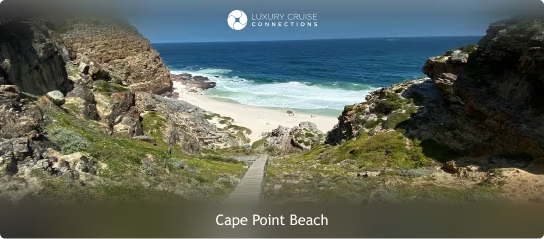
Yes, there are activities in Gambia perfect for families with children. Gambia’s nature reserves (Abuko Nature Reserve, Tanji Bird Reserve) offer short walking trails for kids to spot monkeys, birds, and other wildlife. At the Gambia Horse and Donkey Trust, children learn about animal care and interact with rescued donkeys in a safe, educational setting. Gambia cruises provide family-friendly excursions with opportunities to see dolphins, birds, and riverside villages. Beaches such as Cape Point and Kololi have gentle waves and wide sandy areas for safe swimming and play. In cultural sites like the National Museum or Makasutu Culture Forest, families explore local history and crafts in interactive, engaging ways. Many Gambia beach resorts also offer kids’ pools, family-friendly menus, and easy access to nearby attractions.

Are there Fun Things to Do in Gambia for Outdoor Adventures?

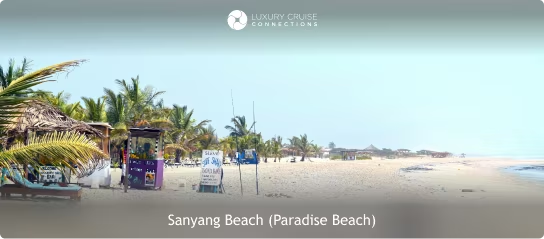
Yes, there are fun things to do in Gambia for outdoor adventures, especially for travelers who enjoy nature, wildlife, and active exploration. Wildlife safaris in Kiang West National Park include game drives, guided walks, and boat trips through savannah and mangrove habitats. River cruises on the Gambia River offer birdwatching, swimming, and visits to riverside communities. Nature reserves like Abuko and Tanji feature well-marked trails through forest and wetland areas, making them ideal for hiking. Gambia beaches such as Kololi, Sanyang, and Cape Point offer outdoor activities like swimming, horseback riding, and watersports. The Makasutu Culture Forest offers gentle outdoor adventure through canoe rides, nature walks, and visits to local craft workshops. For more fast-paced experiences, travelers can join quad bike or ATV tours through Gambia’s rural areas, or try kayaking and sport fishing near the river mouth and along the coast.

Best Things to Do Around the World

Discover the best activities, landmarks, and experiences in every cruise destination and port of call.

Europe Western, Central & Mediterranean
America North, Central, South & Caribbean
Africa & Asia Oceania & Antarctica