10 Best Things to Do in Algeria

The 10 Best Things to Do in Algeria are exploring Roman ruins, trekking the Sahara, strolling historic Casbahs, relaxing...

add

The 10 Best Things to Do in Algeria are exploring Roman ruins, trekking the Sahara, strolling historic Casbahs, relaxing on Oran’s beaches, hiking mountains, touring mosques, and discovering vibrant cities and timeless oasis towns. The activities reflect the country’s vast size, deep heritage, and unmatched variety in landscapes. Algeria is the largest nation in Africa, extending from its Mediterranean coastline, through its Roman-era cities, high mountain ranges, and extensive Sahara Desert. The cultural richness is evident in historic towns, United Nations Educational, Scientific and Cultural Organization (UNESCO) World Heritage sites, and architectural legacies from multiple civilizations. Popular activities range from walking the ancient streets of Timgad, exploring cave art in Tassili n’Ajjer, to enjoying relaxed seaside moments in Oran. The Casbah, the Martyrs' Memorial, and colonial-era landmarks are among the best things to do in Algiers. Visitors seeking diverse and meaningful discoveries find plenty of places to visit in Algeria that combine natural beauty with human history spanning centuries.

  • Explore the Ancient Roman Ruins of Timgad
  • Wander Through the Casbah of Algiers
  • Marvel at the Sahara Desert in Tassili n'Ajjer:
  • Visit the Ruins of Djemila
  • Relax on the Beaches of Oran
  • Tour the Grand Mosque of Tlemcen
  • Go Hiking in the Aures Mountains
  • Discover Constantine, the City of Bridges
  • Visit the Bardo National Museum in Algiers
  • Experience the Oasis Town of Ghardaia
  • Explore the Ancient Roman Ruins of Timgad

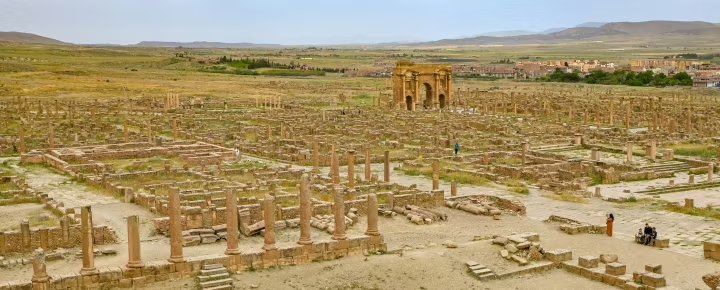
    Explore the Ancient Roman Ruins of Timgad, a UNESCO World Heritage Site located in northeastern Algeria. Founded around 100 AD by Emperor Trajan, this Roman military colony showcases a rare example of Roman urban planning in North Africa. The city’s impressive grid layout, broad stone-paved streets, and towering monuments tell the story of a thriving cultural and political center. Visitors encounter remarkable structures such as the Arch of Trajan, the Capitol, and one of the largest public libraries of the Roman Empire, all preserved across centuries of history
    Explore the Ancient Roman Ruins of Timgad

    The ruins of Timgad display striking examples of Roman architecture, with the forum, amphitheater, and intricate mosaics standing as highlights of the site. The Arch of Trajan remains an iconic symbol, while the baths and temples reflect the daily lives of its inhabitants. The surrounding hills and open landscapes provide a scenic backdrop, adding a sense of timelessness. Taking time to explore beyond the main paths rewards travelers with lesser-known ruins and detailed carvings.

    A walk through Timgad feels like stepping back into antiquity. The silence of the ruins, broken only by the wind, creates a calming atmosphere far removed from modern noise. Visitors trace the footsteps of Roman citizens through markets, theaters, and civic spaces, deepening their appreciation for ancient society. Hiring a local guide adds depth, offering translations of Latin inscriptions and insight into architectural design, making the experience more meaningful.

    The best time to visit Timgad is during spring or autumn when the climate is mild and crowds are smaller.

    Hire a local guide for context on inscriptions, mosaics, and architectural functions that enrich the visit.

    Entrance costs 200 Algerian dinars for adults and 100 dinars for students and children ($1.50 or less).

  • Wander Through the Casbah of Algiers

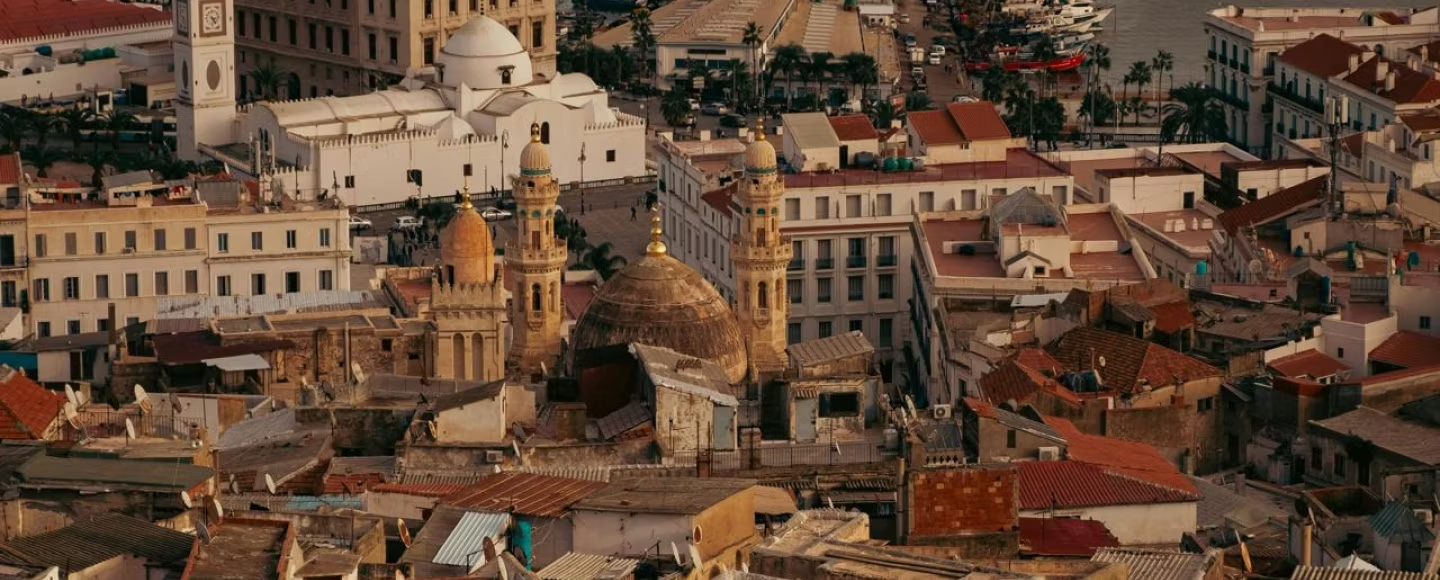
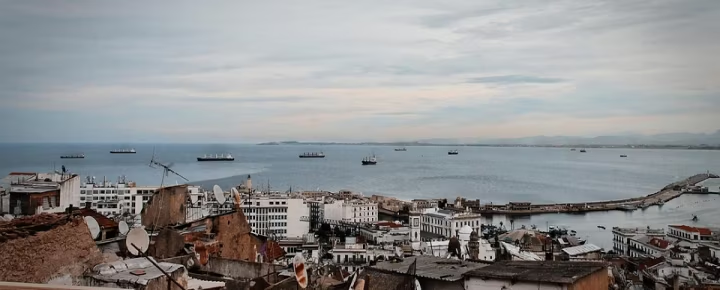
    Wander through the Casbah of Algiers, the historic core of Algeria’s capital and a UNESCO World Heritage Site. The ancient quarter dates back to the 10th century and unfolds as a labyrinth of whitewashed homes, narrow alleyways, and stair-stepped paths. It reflects a mix of Ottoman influence, French colonial traces, and enduring Algerian traditions, offering a rare glimpse into a city shaped by centuries of cultural and political change
    Wander Through the Casbah of Algiers

    The Casbah is home to Ottoman palaces, mosques, and courtyards that reveal layers of history. Landmarks such as the Ketchaoua Mosque, Dar Aziza Palace, and the Palace of the Rais illustrate grandeur from different eras, while hidden courtyards display artistry in design. Martyrs' Memorial stands beyond the old quarter as a reminder of Algeria's struggle for independence. Each corner of the Casbah provides striking views and cultural detail that remain unforgettable.

    Walking through the Casbah is like stepping into a living museum. Market stalls display vibrant textiles and spices, the scent of grilled meat drifts through alleyways, and rooftop views stretch toward the Mediterranean. Guided walking tours allow for deeper engagement with the neighborhood’s layered past, revealing stories of trade, resistance, and everyday life. The uneven terrain and steep routes add to the sense of exploration, rewarding travelers with insight into Algiers’ resilience and beauty.

    The best time to visit the Casbah of Algiers is in spring, when conditions are cooler and visibility is clear from rooftop viewpoints.

    Join a walking tour with a local historian to better understand cultural traditions, resistance stories, and architectural features.

    Entry to the Casbah is free, though museums and palaces inside charge admission ranging from 200 to 500 Algerian dinars ($1.50 - $4).

  • Marvel at the Sahara Desert in Tassili n'Ajjer

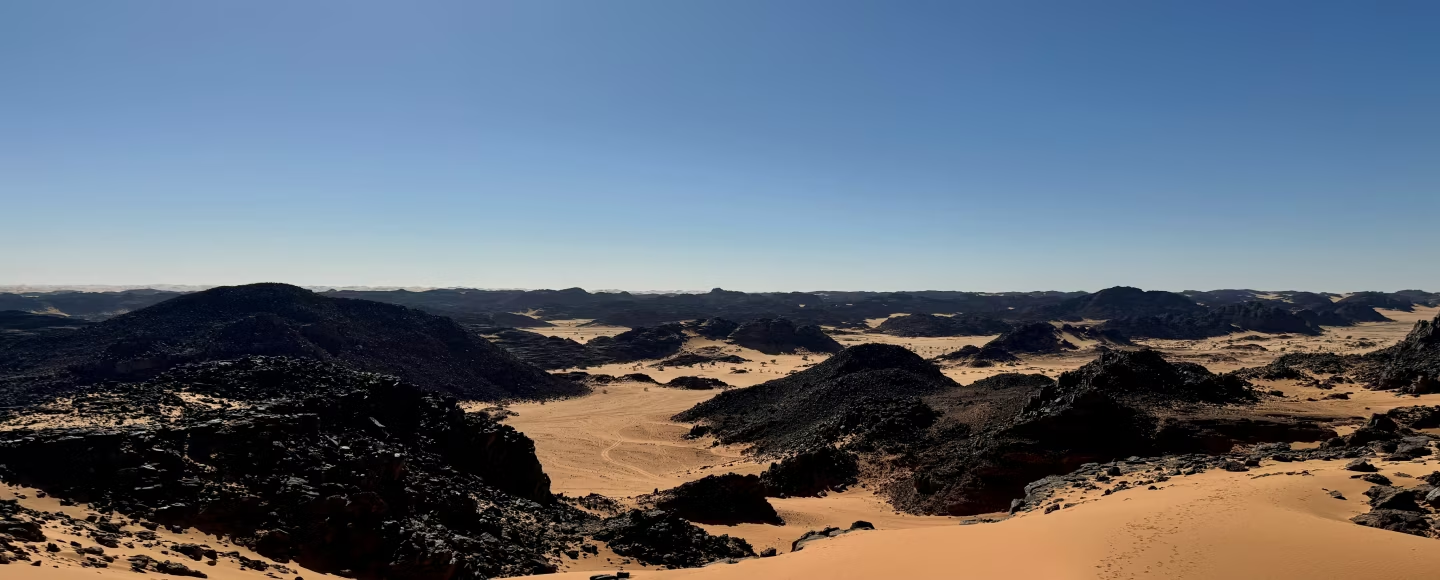
    Tassili n’Ajjer is a vast national park in southeastern Algeria, celebrated for its sandstone plateaus, dramatic arches, and prehistoric rock art. The UNESCO World Heritage Site preserves over 15,000 petroglyphs and cave paintings that document wildlife, human life, and climate changes more than 10,000 years old, stretching across the edge of the Hoggar Mountains. The surreal desert landscape blends geological wonders with cultural history, creating one of the Sahara’s most remarkable destinations.
    Marvel at the Sahara Desert in Tassili n'Ajjer

    The park’s highlights include towering natural rock formations shaped by centuries of wind, fossilized riverbeds that reveal traces of past ecosystems, and labyrinth-like gorges. Ancient art carved and painted on stone surfaces portrays giraffes, elephants, and early human communities, offering rare insight into prehistoric life in North Africa. The combination of vast desert silence, sweeping views, and rich archaeological treasures makes Tassili n’Ajjer an unforgettable journey

    Visitors explore by hiking through stone corridors, climbing plateaus, and joining camel treks that reach remote art sites inaccessible by vehicle. Nights under the Saharan sky reveal brilliant stars, while daytime journeys present shifting desert light across the rocks. Local Tuareg guides enrich the experience with cultural storytelling, navigation expertise, and traditional desert hospitality. The sense of timelessness, solitude, and living heritage makes every step deeply meaningful.

    The best time to visit Tassili n’Ajjer is from October to March, when the climate stays cooler and skies remain clear.

    Travel with local Tuareg guides for cultural insight, navigation, and safety across remote desert terrain.

    Entrance permits cost about $50 per day for international visitors or 2,000 Algerian dinars for locals, while guided tours range from $100 to $300 daily depending on services included.

  • Visit the Ruins of Djemila

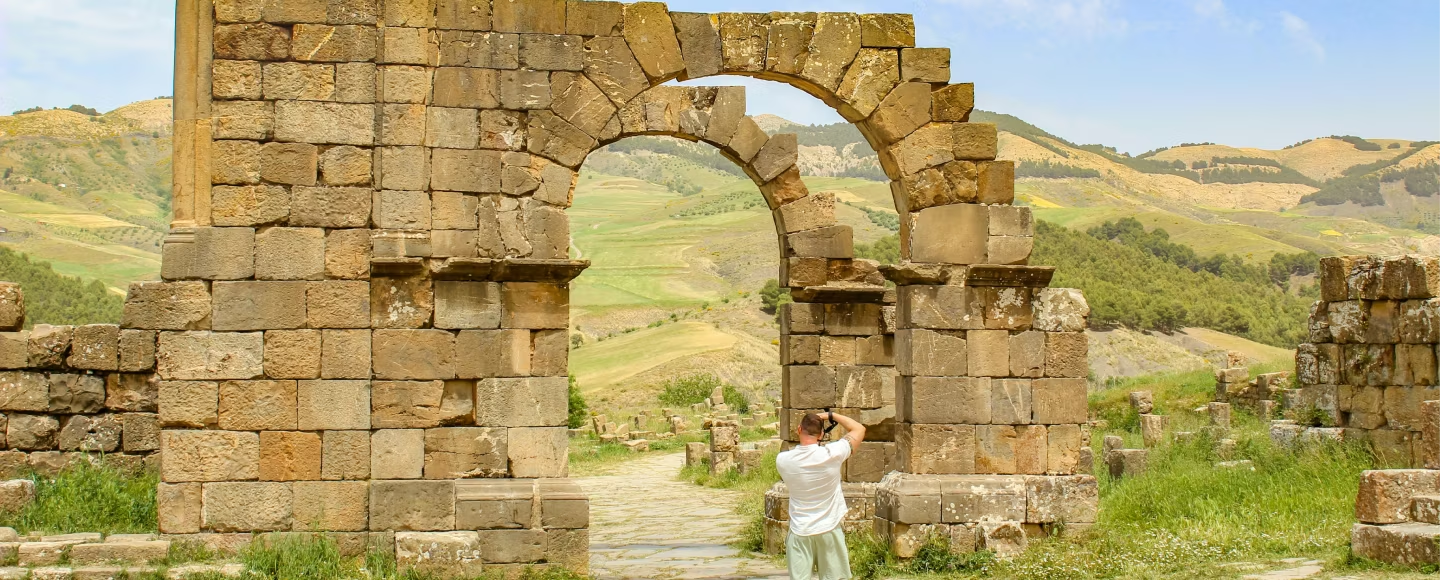
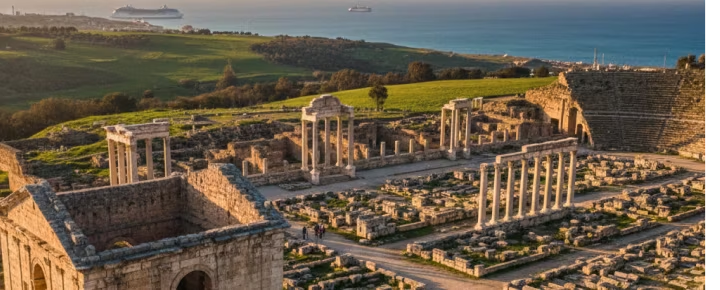
    The Ruins of Djemila, located in northeastern Algeria, are among the finest Roman archaeological sites in North Africa. The city, known in antiquity as Cuicul, lies within the Kabylie hills and has a compact but remarkably detailed plan. Visitors encounter structures such as the basilica, triumphal arches, forums, and residential quarters that reveal Roman urban design. The contrast between finely cut stonework and rolling green hills provides a striking scene, while the on-site museum exhibits mosaics, sculptures, and inscriptions unearthed during excavations.
    Gjirokaster Castle

    Djemila’s highlights include the Forum and Arch of Caracalla, which once marked civic pride and prosperity. Walking through narrow streets reveals outlines of markets, homes, and public baths. The museum enhances the visit by preserving colorful mosaics depicting mythological themes and daily Roman life. The site maintains a quiet setting that makes exploration rewarding for travelers who appreciate history combined with natural landscapes.

    Exploring Djemila offers more than sightseeing; it invites reflection on Roman influence in Africa. Scattered columns, paved roads, and preserved mosaic floors create a picture of everyday life centuries ago. A slow walk across grassy slopes leads from monumental ruins to intimate residential spaces. Local guides help interpret structures and explain how religion, trade, and politics shaped this once-thriving community.

    Spring is the best time to visit, when wildflowers bloom and temperatures remain mild.

    Hiring a local guide adds depth by reconstructing narratives that are not obvious to casual visitors.

    Entry to the ruins and museum costs around 370 - 400 Algerian Dinars ($2.75 - $3.00) per visitor, with parking included.

  • Relax on the Beaches of Oran

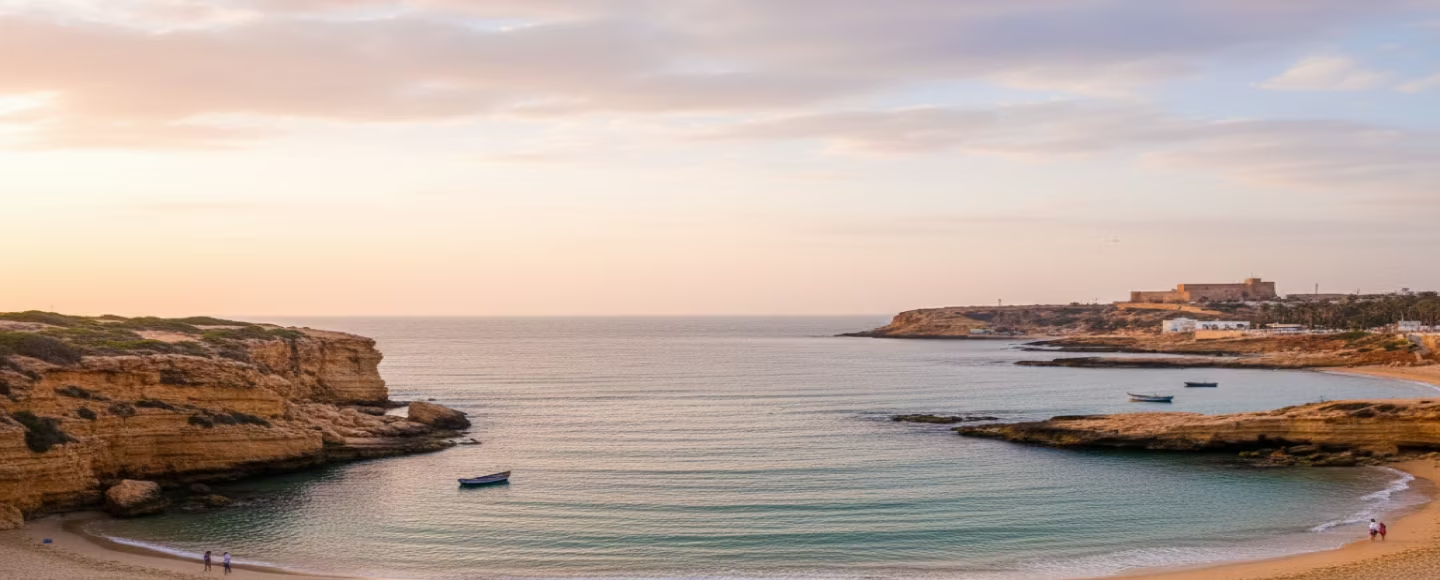
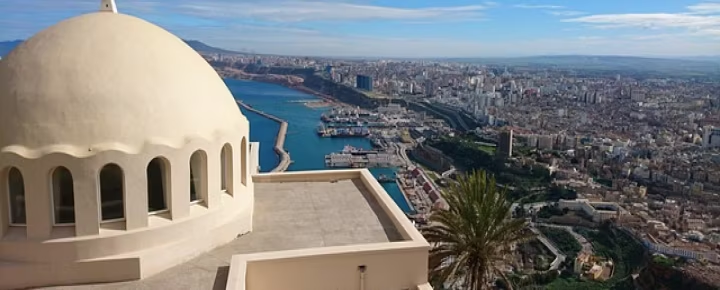
    Relax on the beaches of Oran, a Mediterranean jewel along Algeria’s northwestern coast that blends natural charm with a vibrant urban setting. Oran presents sandy and rocky stretches such as Madagh Beach, Ain El-Turck, and Les Andalouses as the country’s second-largest city. Each shoreline reveals a mix of leisure, from peaceful sunbathing to adventurous water sports, framed by the region’s coastal beauty and enriched by a cultural heritage shaped by Spanish and Arab-Andalusian influences.
    Relax on the Beaches of Oran

    The beaches of Oran are known for their diversity, offering quiet coves for solitude, family-friendly shores with gentle waves, and lively spots filled with music and local cuisine. Seafront promenades create an inviting atmosphere, while nearby restaurants serve freshly caught seafood with Mediterranean flavors. Evenings along the coast transition into gatherings of locals and travelers, with music and dancing reflecting Oran’s identity as a cultural capital. Access to historic sites and city attractions makes the coastline a well-rounded destination beyond the beaches.

    Days at the shore bring opportunities for swimming, sailing, or lounging under the sun, while evenings extend into strolls along waterfront boulevards and dining with views of the sea. Visitors experience a seamless connection between modern leisure and timeless coastal traditions. Oran's beaches combine relaxation with cultural engagement, making them a rewarding stop along an Algerian journey.

    The best time to enjoy Oran’s beaches is from May to early September, when the water is warm and the skies are clear.

    Local guides offer cultural tours combining city landmarks with coastal activities

    Entry is free for beaches, though resort-managed areas charge small access fees.

  • Tour the Grand Mosque of Tlemcen

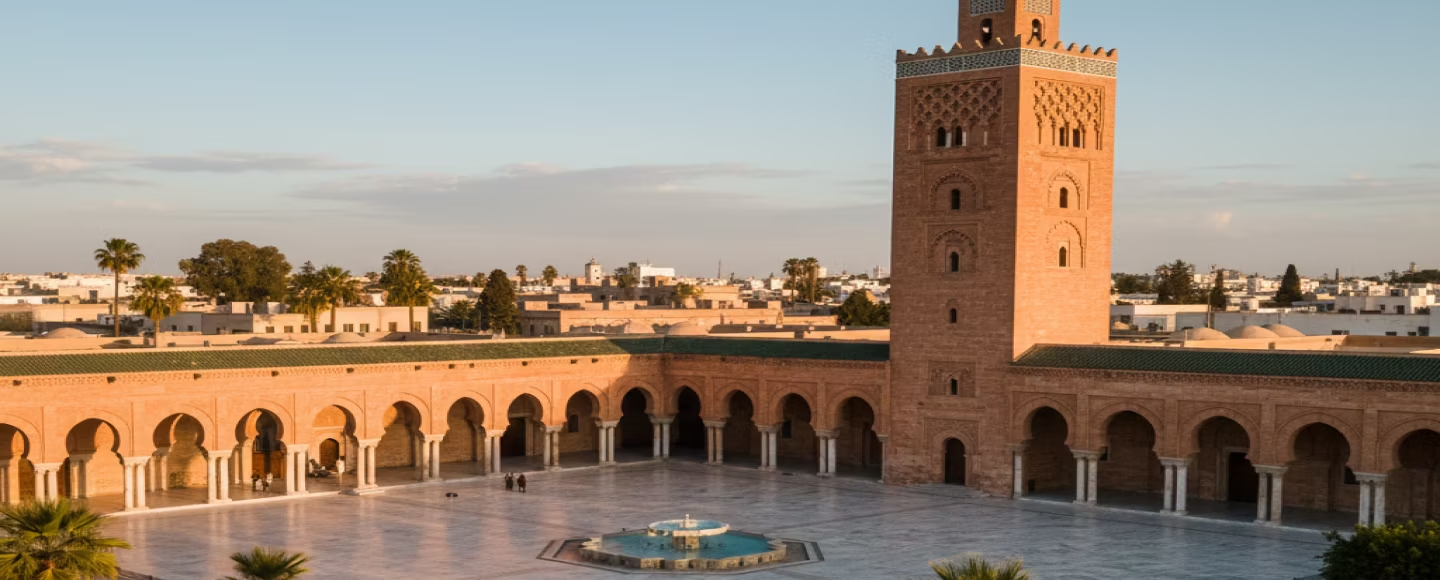
    The Grand Mosque of Tlemcen is one of the rare surviving examples of Almoravid architecture, founded in 1136 under the reign of Sultan Ali ibn Yusuf. The mosque reflects the city’s prominence as a hub of Islamic scholarship, religious devotion, and artistic production located in western Algeria. The structure has remained largely intact for centuries, making it a place of worship and a living monument that illustrates the architectural brilliance of the Almoravid dynasty.
    Tour the Grand Mosque of Tlemcen

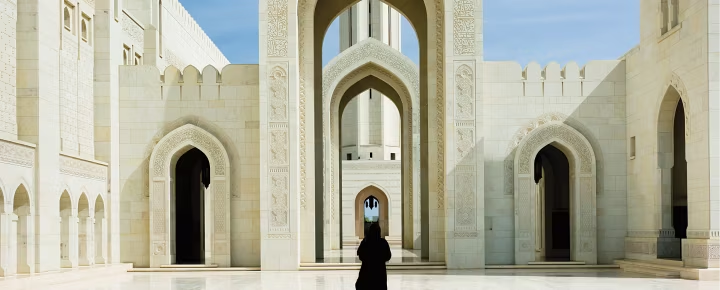
    The mosque is noted for its distinctive square minaret, detailed stucco work, and elegant horseshoe arches. Visitors are drawn to the geometric motifs that adorn the prayer hall and courtyard, each symbolizing harmony and spirituality. Historical inscriptions line the walls, linking the structure to the legacy of Islamic art and scholarship in North Africa. The Grand Mosque has survived, unlike other Almoravid monuments that have lost their original form.

    Stepping inside the mosque offers a calm and spiritual environment, where light filters through the arches to reveal intricate carvings and patterns. The courtyard invites reflection, and the prayer hall maintains a sense of sacred quiet. Local guides explain the historical role of Tlemcen as a cultural and intellectual center, adding depth to the visit. Respectful attire and behavior are essential, as the mosque remains active for daily prayers.

    The best time to visit the Grand Mosque of Tlemcen is in the early morning, when natural light highlights its stucco designs

    Travel with a local guide who can explain the mosque’s Almoravid origins, architectural symbolism, and religious significance.

    No formal admission fee Hiring a guide supports cultural preservation and provides a deeper historical context.

  • Go Hiking in the Aures Mountains

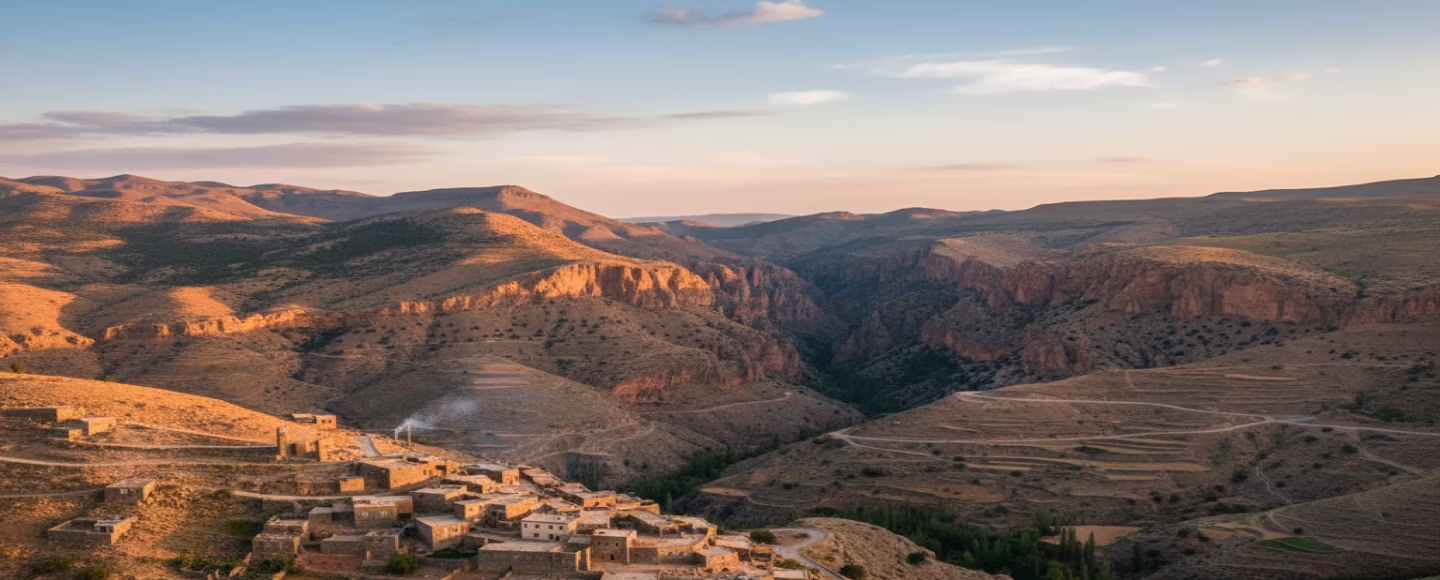
    Go hiking in the Aures Mountains, a rugged and historic range located in eastern Algeria that stretches across Batna and Khenchela provinces. The mountains hold strong ties to Berber heritage and played a defining role during Algeria’s war of independence, adding layers of cultural and historical depth to the scenery. The landscape shifts dramatically, with pine forests, narrow valleys, and arid canyons shaping an adventurous environment. Villages built with traditional mud-brick homes dot the remote areas, creating an authentic glimpse into local life.
     Go Hiking in the Aures Mountains

    The Aures Mountains deliver striking natural beauty, from panoramic ridgelines to flowing waterfalls hidden within rocky valleys. Wildlife sightings bring extra reward, with mountain goats navigating cliffs and native bird species adding sound to the journey. The region combines nature and history, offering dramatic outdoor settings and essential cultural significance, making it one of the most enriching destinations for hikers in North Africa

    Hiking across the Aures is demanding yet rewarding, with trails that vary from shaded pine paths to exposed ridges overlooking vast canyons. Routes remain unmarked, which encourages the use of local guides who provide stories about the land and its past. Remote villages welcome travelers with a slower rhythm of life, while long treks offer uninterrupted views of the horizon. Limited services along the trails create a sense of wilderness, making proper preparation essential for an enjoyable journey.

    The best time to hike in the Aures Mountains is from late March to early June when temperatures are moderate.

    Travel with local guides who ensure safety and share cultural insights about Berber traditions and historical landmarks.

    Hiking is free Guided treks range from $40 to $80 per day, depending on distance and services provided.

  • Discover Constantine, the City of Bridges

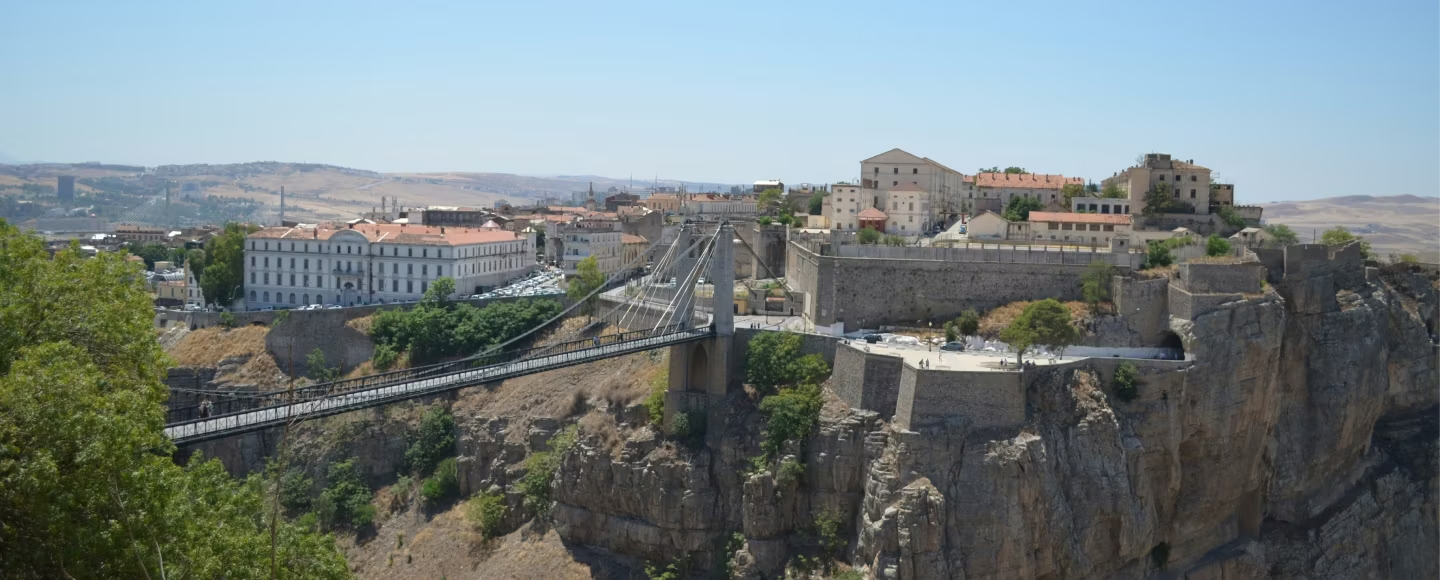
    Discover Constantine, the City of Bridges, a dramatic urban center in northeastern Algeria known for its breathtaking geography and cultural richness. The city is perched high above the Rhumel Gorge, with deep ravines cutting through its landscape, making it one of the most spectacular urban settings in North Africa. Constantine combines Arab, Berber, and French colonial influences, creating a destination where natural beauty and historic depth blend seamlessly.
    Discover Constantine, the City of Bridges

    The bridges of Constantine are its most iconic landmarks, connecting different parts of the city across dramatic cliffs. The Sidi M’Cid Bridge, suspended above the gorge, offers striking views, while the Mellah Slimane Bridge carries history and daily life across its span. Walking through the city reveals contrasts between modern structures and traditional quarters. Cultural sites (Palace of Ahmed Bey and the Cirta Museum) give insight into Algeria’s layered past. The setting provides photography opportunities, with sweeping vistas of cliffs, river, and city architecture.

    Exploring Constantine involves strolling across the bridges and admiring the scenery from various viewpoints. Visitors are drawn to the blend of architectural design and natural topography, while the city’s vibrant markets and neighborhoods allow for authentic cultural encounters. The Cirta Museum adds context with artifacts from the region, and the Palace of Ahmed Bey reflects Ottoman-era elegance. Walking through the city feels like stepping across centuries of history anchored by its bridges.

    The best time to visit Constantine is during spring or autumn when temperatures are mild and visibility is clear for photography.

    Local guides provide historical background on the city’s bridges and lead visits to museums and cultural districts

    Bridges are free to access Small admission fees apply to museums and heritage sites.

  • Visit the Bardo National Museum in Algiers

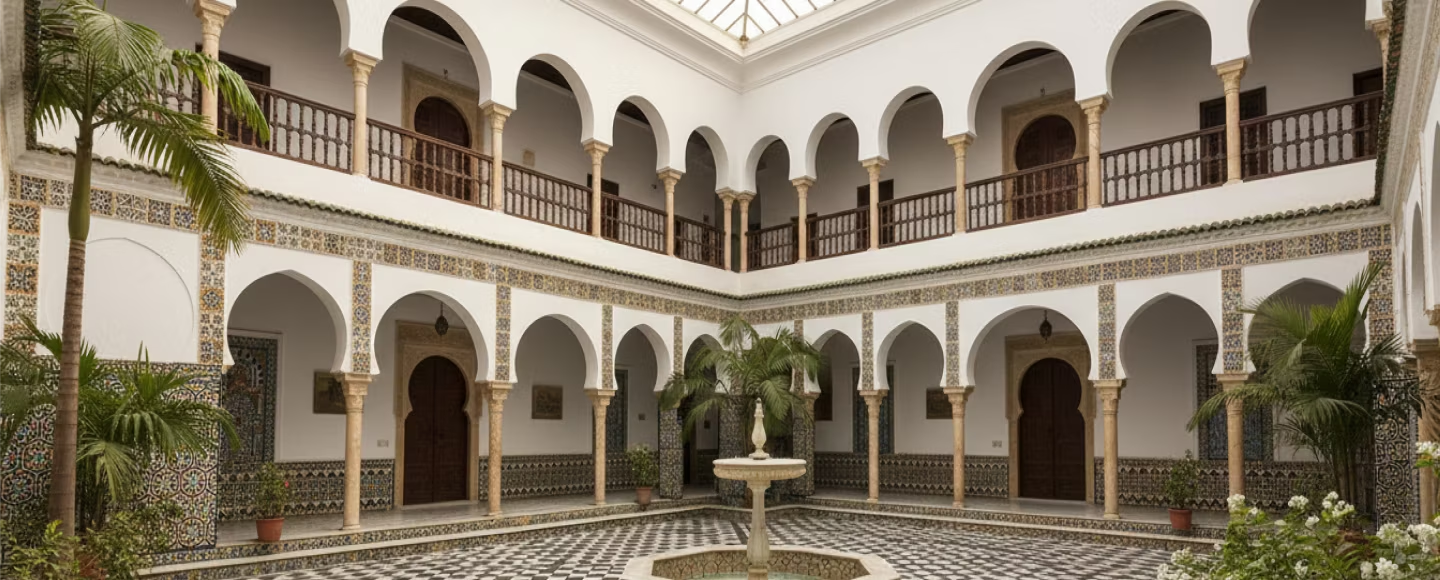
    The Bardo National Museum in Algiers is housed in a former Ottoman palace that blends architectural beauty with archaeological and ethnographic importance. The museum displays prehistoric artifacts, fossils, and rock art replicas in a setting framed by courtyards and traditional tilework. The exhibitions create a strong cultural backdrop for understanding the nation’s past before visiting remote archaeological sites such as Tassili n’Ajjer or the Roman ruins of Timgad.
    Visit the Bardo National Museum in Algiers

    The museum’s key highlights include prehistoric tools, ethnographic displays, and a detailed timeline of Algerian civilization. Fossils and stone implements showcase the earliest human presence in North Africa, while exhibits of traditional costumes and household objects reveal patterns of everyday life. Artistic features of the building itself, from carved wooden ceilings to colorful tiles, create an atmosphere that feels both historic and visually engaging.

    Walking through the museum offers an intimate journey through Algeria’s cultural evolution, starting with prehistoric settlements and moving toward later ethnographic traditions. Informative panels in English and French allow deeper understanding, while the calm environment encourages unhurried exploration. Morning hours tend to be quieter, offering a more focused visit. Photography is restricted in select areas, preserving sensitive artifacts, while guided tours expand on the symbolism and themes behind the displays.

    Visit during morning hours for fewer crowds and quieter galleries.

    Hire a licensed local guide for deeper insights into historical and cultural themes.

    Entry tickets range between 100 and 200 Algerian dinars ($0.75 to $1.50), depending on the current exchange rate.

  • Experience the Oasis Town of Ghardaia

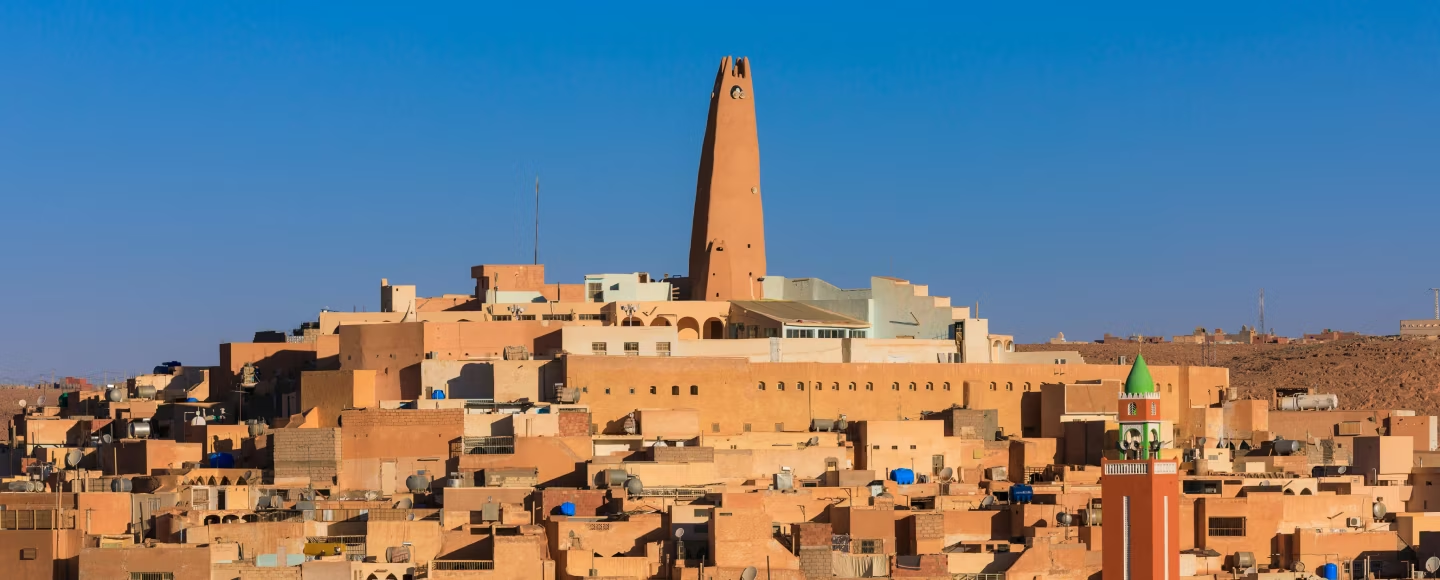
    Experience the Oasis Town of Ghardaia, a captivating part of Algeria’s M’zab Valley and a UNESCO World Heritage Site recognized for its architectural heritage and cultural preservation. The northern Saharan city reflects centuries of desert-adapted living shaped by the Ibadi Muslim tradition. Whitewashed buildings cluster across hillsides, with domed mosques and narrow alleys creating a timeless atmosphere. The town’s structured urban design balances community life, religious customs, and environmental adaptation, making Ghardaia a remarkable example of sustainable desert settlement.
    Experience the Oasis Town of Ghardaia

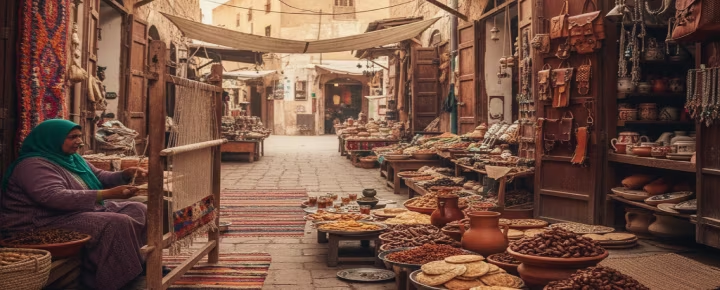
    Visitors to Ghardaia discover a striking blend of architecture, history, and tradition. Covered markets filled with textiles, pottery, and handmade crafts highlight the town’s artisan culture. Palm groves and shaded irrigation canals reveal how locals manage scarce water resources, while the skyline is marked by mosques that dominate the view. The town’s preservation of Ibadi traditions, alongside its role as a hub for trade and culture in the Sahara, contributes to its World Heritage status and enduring appeal.

    Exploring Ghardaia brings a slower pace, where visitors walk through quiet streets, interact with skilled artisans, and enjoy local cuisine prepared with desert flavors. Market visits offer handmade goods, while guided tours share stories of Ibadi customs and social organization. Watching daily life unfold against a desert backdrop deepens appreciation for the resilience and cultural pride of the community. Visiting religious sites with permission adds another layer of cultural understanding.

    The best time to visit Ghardaia is from October to April, when the climate is mild.

    Hiring a licensed local guide ensures respectful access to religious areas and insight into Ibadi traditions.

    Entry to Ghardaia is free, but guided tours vary in cost, starting at around $20 - $40 depending on duration and group size.


Why is Algeria Becoming a Popular Cruise Destination?

The reasons why Algeria is becoming a Popular Cruise Destination are listed below.


How to Plan a Trip around Famous Places in Algeria?

To plan a trip around famous places in Algeria, follow the ten steps below.

Confirm visa rules and processing times through official government sources. Preparation ensures smooth access to all regions, including areas near Algeria famous landmarks.
Organize stops by region, such as the Mediterranean coast, the Sahara Desert, and the Atlas Mountains. The structure helps cover a range of famous places in Algeria, from Roman ruins to desert oases.
Match destinations with seasonal conditions to avoid extreme heat or rain. Coastal cities such as Algiers and Oran suit spring, while desert visits work best in winter.
Trains, buses, and domestic flights offer reliable connections between major cities. Renting a car adds flexibility for remote areas like the M’Zab Valley or Tassili n’Ajjer.
Guides assist with translation, navigation, and cultural context. The support proves helpful when exploring historical sites or reaching less-traveled paths.
Reserve hotels or guesthouses near major attractions to save time. Cities near Algeria's famous landmarks have limited lodging during peak periods.
Smaller vendors and rural stops prefer cash payments. ATMs function in cities but are limited in isolated zones.
Bring clothing for desert winds, mountain trails, and urban walks. Shoes with a solid grip work best for historic sites like Timgad and Djemila.
Dress modestly and follow regional norms in rural or religious areas. Courteous behavior supports safe and respectful travel.
Tourism offices and embassy websites provide current travel alerts and route suggestions. Official information helps shape realistic and safe plans across famous places in Algeria.

Is Algeria worth visiting in 2025?

Yes, Algeria is worth visiting in 2025. Ancient Roman cities, Saharan landscapes, and preserved cultural traditions make Algeria appealing despite its relatively untouched status by mass tourism. Destinations such as Tassili n’Ajjer, featured in CNN Travel’s May 2025 coverage, showcase prehistoric rock art and dramatic desert plateaus explored through Tuareg-guided treks.

Algeria offers authentic experiences in places like Timgad, the Casbah of Algiers, and the M’Zab Valley, locations that receive fewer crowds than popular sites in neighboring countries. Visitors encounter real daily life rather than staged attractions, making each stop personal and memorable.

How do Tourists Enjoy Fun Things to Do in Algeria?

Tourists enjoy fun things to do in Algeria through a mix of cultural, historical, and natural activities spread across distinct regions. Exploring Roman ruins such as Timgad and Djemila offers insight into ancient urban planning and architecture, while the Casbah of Algiers provides a vivid journey through Ottoman history, narrow alleys, and traditional markets. Each site contributes to a deeper understanding of the country's layered heritage.

Outdoor enthusiasts find excitement trekking across the Sahara Desert, and in the Hoggar Mountains and Tassili n’Ajjer, where dramatic dunes and prehistoric rock art define the terrain. Unique rock formations, desert plateaus, and canyon landscapes create visual contrasts that appeal to photographers and adventure seekers. Algeria offers a diversity of rewarding experiences that reflect its diverse environment and culture.

Where is the Most Scenic Beach in Algiers?

The most scenic beach in Algiers is Sidi Fredj, followed closely by Zéralda. Sidi Fredj combines a crescent-shaped coastline with historical significance as the landing site of French troops in 1830. The calm waters and marina setting make it ideal for swimming, walking, and enjoying local seafood along the promenade. Zéralda, located west of the capital, features golden sands, clear water, and nearby resorts that cater to families and day-trippers.

These beaches are included among the most relaxing things to do in Algiers, offering a balance of natural scenery and leisure. Sidi Fredj is among the standout places to visit in Algiers for its combination of cultural importance and coastal beauty. Every popular beach Algiers hosts reflects the Mediterranean charm that defines Algiers tourist attractions, making each visit to the shoreline a refreshing escape from the city’s urban rhythm.

Is Algeria a Good Holiday Destination for Families?

Yes, Algeria is a good holiday destination for families with an interest in history, culture, and natural variety. The Roman ruins, colorful markets, and coastal scenery provide meaningful learning opportunities and shared experiences. Families visiting locations such as Algiers, Oran, and Constantine encounter a blend of ancient sites and modern comforts that encourage exploration while staying connected to local life.

The value of an Algeria holiday destination depends on careful planning. Travel logistics across remote desert zones or historic highland sites demand extra preparation, making coastal resorts the most suitable option for ease and comfort. A holiday for families becomes more rewarding when focused on accessible areas like Mediterranean beach towns or cultural centers with guided tours. The right approach makes Algeria an unforgettable family journey.

How is Algeria Travel different from other North African countries?

Algeria Travel is different from other North African countries by offering a less commercialized and more personal journey into heritage and nature. Morocco and Tunisia are known for resort tourism and international shopping hubs, while Algeria places a high value on unfiltered cultural depth. Cities such as Algiers focus more on daily life, historic districts, and preserved architecture. An Algiers travel itinerary includes the Casbah, Ottoman palaces, and local markets that reflect the city's layered identity. Fewer crowds and minimal tourist packaging define the experience, making an Algeria travel guide essential for navigating transportation, permits, and local customs

Desert journeys involve long overland routes, and access to Roman ruins or Berber communities requires local coordination. These characteristics give Algeria a slower pace and deeper emotional impact, attracting travelers looking for connection rather than convenience. Algeria’s appeal lies in raw landscapes and lesser-known landmarks such as Tassili n’Ajjer, Timgad, and the M’Zab Valley in comparison to polished itineraries and curated things to do in Morocco.

Best Things to Do Around the World

Discover the best activities, landmarks, and experiences in every cruise destination and port of call.

Europe Western, Central & Mediterranean
America North, Central, South & Caribbean
Africa & Asia Oceania & Antarctica