- Luxury Cruises vacations
- Destinations & Itineraries
- Venice Carnival
Venice Carnival

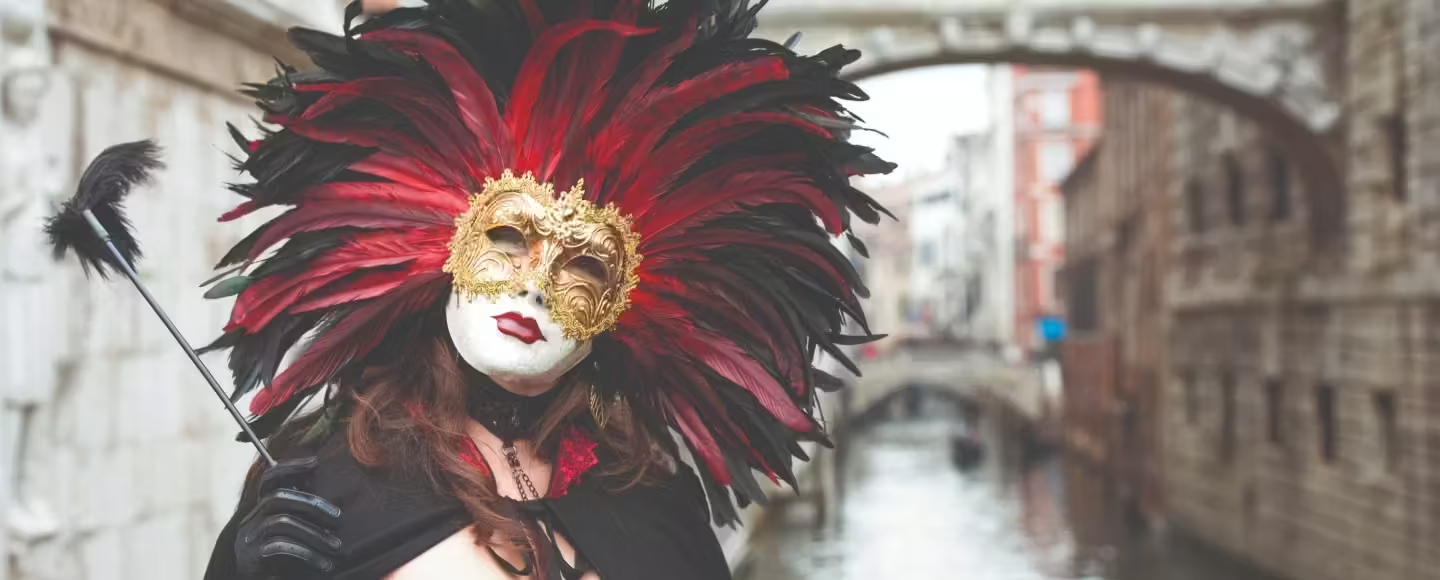
Public celebrations unfold in St. Mark’s Square, where performers stage theatrical acts. A central spectacle features the Flight of the Angel from St. Mark’s Campanile before large crowds. Costume competitions reward historical accuracy and craftsmanship. Grand Canal parades display ornate gondolas decorated with silk banners and lanterns.
Private palaces host candlelit masquerade balls reserved for ticket holders. Musicians perform baroque compositions that echo through narrow Venetian streets. Tailors prepare velvet cloaks, lace gloves, and feathered headdresses months ahead of the event. Hotels and ateliers record peak winter bookings during the Venice Carnival season.
The carnival of Venice concludes on Shrove Tuesday before Lent begins in the Catholic calendar. Centuries of tradition preserve Venice as a global center of artistic expression. The Venetian Carnival continues to symbolize mystery, craftsmanship, and ceremonial elegance within the Venice mask festival atmosphere.
What is the Venice Carnival?
The Venice Carnival is a historic festival in Venice featuring masked celebrations (the Flight of the Angel and the Festa delle Marie). Masks allow participants to hide their social status. Parades occur along the canals and narrow streets. Performances take place in various public squares. Themed events fill the calendar throughout the duration of the festival. Costume artistry remains a central focus of the celebration. Artisans spend months preparing intricate designs for the public. The atmosphere feels magical due to the historical architecture. Global recognition stems from the unique aesthetic of the masks. Participants travel from across the globe to display their attire. St. Mark’s Square serves as the primary hub for activity. Traditional music accompanies many of the outdoor shows. The event marks the transition from winter to spring. Cultural heritage remains preserved through the annual rituals. The entire city embraces the spirit of anonymity. Luxury hotels host expensive masquerade balls. The venice carnival provides an immersive experience. The Carnival of Venice creates memories for every visitor. Artistic flair characterizes the Venetian Carnival. History lives through the Venice mask festival. Everyone enjoys Cultural Festivals and Celebration Around the World.
Why is the Venice Carnival Celebrated?
Venice Carnival is celebrated because it marks the beginning of the Lenten season. Residents traditionally used the period to indulge in food and drink before religious fasting. Social boundaries disappeared behind masks during the festivities, allowing peasants to interact with nobility without fear of judgment. The celebration honors the victory of the Venice Republic over the Patriarch of Aquileia in 1162, when citizens gathered in St. Mark’s Square to dance and celebrate the triumph. The tradition evolved into an official city festival during the Renaissance. Modern celebrations preserve Venetian identity and craftsmanship while attracting global interest to the local tourism economy. Artistic expression flourishes through costume competitions, and masked balls recreate the grandeur of the 18th century. Historical continuity remains an important aspect of the celebration, as participants honor the history of the lagoon city. The festival fosters a sense of community among the local population, with rituals providing a connection to the ancestors of Venice. The event offers a temporary escape from daily routines.
How did the Venice Carnival Start?
The Venice Carnival started by celebrating a military victory of the Venetian Republic in the 12th century. Public festivities followed the triumph, creating a tradition of communal celebration. The Venetian Senate formally recognized the festival in 1296, declaring the day before Ash Wednesday a public holiday. Official recognition anchored the carnival within the civic calendar of Venice. Masks shaped the identity of the early celebration. Historical records from the 13th century describe masked citizens moving freely through marketplaces and public squares. Anonymity allowed interaction across social classes without formal hierarchy. Nobility entered crowded plazas incognito while laborers openly mocked elites without punishment. Social tension eased as masked identities blurred visible distinctions between wealth and status.
The 18th century marked the height of popularity for the Venice Carnival. Opera houses, gambling halls, and grand masquerade balls filled the city with activity. Napoleon Bonaparte banned the festival in 1797 after occupying Venice, ending centuries of continuous tradition. Public celebrations disappeared for nearly two centuries.
The modern revival began in 1979 when Italian cultural organizations restored the event to strengthen tourism and preserve heritage. Historic costumes once again filled St. Mark’s Square and the surrounding districts. Venice now transforms into a living museum each winter, honoring centuries of masked tradition and civic history rooted in the origins of the Venice Carnival.
Recommended Itineraries

Eastern Caribbean - New York
What Happens during the Venice Carnival?
The happenings during the Venice Carnival are listed below.
- Show more info
Costume Parades
One of the most iconic aspects of the Venice Carnival is the grand costume parades. Participants dress in elaborate, traditional costumes and masks, showcasing intricate designs that reflect Venice’s rich history and artistry. Costume parades are held in the main squares and streets, where onlookers enjoy the vibrant display of costumes.
Street Shows
Throughout the carnival, various street performances take place, including music, dance, and theater. Local performers and artists entertain visitors in the bustling squares, creating a lively and festive atmosphere.
Masquerade Balls
Venice Carnival is famous for its exclusive masquerade balls, where guests dress in formal attire and elaborate masks. Masquerade Balls private, ticketed events that take place in historic Venetian palaces, offering a luxurious and mysterious experience for those attending.
Gondola Events
Gondola races and processions are a staple during the carnival season. Participants in decorated gondolas glide through the canals, adding a unique Venetian flair to the celebration. Gondola events are both visually stunning and a nod to Venice’s maritime history.
Cultural Performances
Venice Carnival also includes a range of cultural performances (opera, classical music concerts, and theatrical shows). Cultural performances, held in theaters or grand halls, highlight the city’s artistic heritage and provide an enriching experience for visitors.
Both free public events and ticketed private gatherings are held throughout the carnival season, ensuring that all visitors enjoy the festivities, whether they prefer the grandeur of exclusive balls or the accessibility of street celebrations. For more details, check out Things to Do in Venice.
What is the Role of Casanova in Venice Carnival History?
The role of Casanova in Venice Carnival history involves his reputation as a legendary lover and adventurer. Giacomo Casanova utilized the anonymity of the mask to navigate social circles. The festival provided the perfect backdrop for his romantic pursuits. His memoirs describe the decadence of the 18th-century Venetian celebrations. Casanova represents the spirit of freedom and indulgence associated with the event. Modern masquerade balls name events after his persona. Costumes inspired by his era remain popular among participants. The carnival atmosphere allowed him to escape legal and social restrictions. His life story adds a layer of intrigue to the history of the city. Attendees recreate scenes from his famous escapades. The legend of Casanova attracts visitors interested in the scandalous side of Venice. History books detail his interactions with the Venetian nobility. His legacy continues to influence the themes of current festivities. The spirit of Casanova lives on through the masked revelers.
When is the Venice Carnival Held Each Year?
The Venice Carnival is held annually during the weeks leading up to Lent. The schedule begins roughly two weeks before Ash Wednesday. Dates change every year because the schedule follows the liturgical calendar. The end of the festival always coincides with Shrove Tuesday. Late winter weather characterizes the period of the celebration. Temperatures fluctuate between 37°F and 50°F. The official start date depends on the date of Easter. Activities occur during the final 10 days of the period. Planning requires checking the specific calendar for the current year. Early February serves as the starting window for the events. The city sees the highest attendance during the final weekend. Opening ceremonies feature a water show on the Cannaregio Canal. Closing ceremonies take place in St. Mark’s Square. Residents and tourists prepare for the dates months in advance. The timing ensures the city remains active during the colder months.
How long does the Venice Carnival Last?
The Venice Carnival lasts for approximately 17 days. The duration allows for a wide range of scheduled activities. The first weekend features the grand opening of the water parade. Weekdays offer smaller street performances and cultural exhibits. The final weekend hosts the significant events (the Gran Finale and the award for the best mask). Tourists visit for three to five days. The length of the festival provides ample time to explore different districts. Extended celebrations ensure the city manages the large influx of visitors. Local businesses benefit from the nearly three-week period of tourism. Each day brings a different theme or competition. The long duration permits attendees to experience both public and private events. Historical reenactments occur at various intervals throughout the week. The city remains festive from the opening ceremony until the midnight bells of Shrove Tuesday.
Is the Venice Carnival Always in February?
The Venice Carnival does not always occur exclusively in February. The festival follows the lunar calendar used to determine Easter. Start dates occasionally fall in late January. The celebration sometimes ends in early March. February remains the common month for the majority of the events. Late January starts occur when Easter falls early in the year. The final days of the carnival always precede Ash Wednesday. Weather patterns in late winter vary across late January, February, and early March. Planning travel requires verifying the specific dates for the year. The coldest days coincide with the peak of the festivities. March endings offer slightly warmer temperatures for outdoor shows. Tourists expect chilly winds regardless of the specific month. Travelers interested in February Cruises find the city active during the month.
How Crowded is Venice during Carnival Season?
Venice becomes extremely crowded during the Carnival season. Millions of visitors descend upon the narrow streets of the city. St. Mark’s Square experiences the highest density of people. Weekends see a significant increase in day-trippers from the mainland. Movement through popular alleys becomes slow and difficult. The city implements one-way pedestrian routes to manage the flow. Central areas like the Rialto Bridge remain packed throughout the day. Photo locations attract long lines of tourists waiting for the perfect shot. Early mornings offer the only respite from the heavy crowds. Vaporetto water buses operate at full capacity during peak hours. Major events like the Flight of the Angel draw thousands of spectators to a single point. Local authorities monitor crowd levels for safety. Navigating the city requires patience and planning. The density of people adds to the vibrant energy of the festival.
How many Days should you stay for the Venice Carnival?
Staying for three to four days provides a balanced experience of the Venice Carnival. The timeframe allows visitors to witness major weekend events and smaller weekday shows. One day is insufficient to navigate the crowds and see different districts. A longer stay of seven days permits a deeper exploration of the local culture. Travelers spend time visiting mask-making workshops. Three days cover the essential highlights (the water parade and the mask competitions). Budget considerations influence the length of the visit. Hotel prices remain high during the entire period. Mid-week stays offer slightly less congestion than the weekends. Short trips focus on the primary festivities in St. Mark’s Square. Longer trips allow for visits to the outer islands (Murano, Burano). The ideal duration depends on the level of interest in private gala events. Staying for 48 hours is the minimum for a meaningful visit.
What should you pack for the Venice Carnival?
The things you should pack for the Venice Carnival are essential for comfort and style during the celebration. Packing requires preparation for cold and damp weather. Warm layers are necessary for long hours spent outdoors. A heavy coat protects against the biting winds of the lagoon. Comfortable walking shoes are essential for the uneven stone streets. Waterproof footwear helps during occasional high tide events. Thermal underwear provides extra warmth under costumes. Accessories (scarves, gloves, and hats) remain vital for comfort. Formal attire is required for those attending masquerade balls. Bringing a portable umbrella handles the frequent winter rain. A high-quality camera captures the intricate details of the masks. Extra batteries or a power bank ensure devices stay charged. Lightweight bags are easier to carry through the dense crowds. Small snacks keep energy levels high between meals. Checking out the Cruise Packing List, is a great help for packing guide tips.
Is the Venice Carnival Worth Visiting?
The Venice Carnival is worth visiting for travelers seeking a unique cultural experience. The visual spectacle of the costumes has no equal in the world. Historical settings provide a backdrop that feels like a film set. Every corner of the city offers a new discovery. The energy of the crowd creates an atmosphere of excitement. Free street performances make the event accessible to various budgets. Artistic craftsmanship is on full display in every shop window. Photographers find endless subjects for their work. The festival offers a rare opportunity to participate in centuries-old traditions. High costs and large crowds represent the only drawbacks. Planning ahead mitigates many of the logistical challenges. The memory of the masked figures on the Rialto Bridge lasts a lifetime. The city displays its magnificent side during the week. Visitors find the experience rewarding.
Where to Stay during the Venice Carnival?
Choosing where to stay during the Venice Carnival involves balancing convenience and cost. Central historic districts (San Marco, San Polo) offer the best access to events. The areas allow visitors to walk to the main squares within minutes. Accommodations in the center command the highest prices. Nearby islands (Giudecca, Lido) provide a quieter atmosphere. The mainland area of Mestre offers significantly lower costs for budget-conscious travelers. Trains and buses connect Mestre to the historic center in 15 minutes. Staying near the Santa Lucia train station facilitates easy arrivals and departures. Water transport routes remain accessible from parts of the city. Booking a hotel with a view of the Grand Canal enhances the experience. Deals are found by searching for properties outside the immediate tourist hubs. Apartment rentals offer more space for groups or families. Access to transport routes ensures a smooth visit.
How early should you Book Hotels for Carnival?
Booking hotels for the Venice Carnival should happen at least six to nine months in advance. The limited number of rooms in the historic center fills up quickly. Early reservations secure the best locations and more reasonable rates. Prices increase significantly as the festival dates approach. Last-minute searches result in very high costs or no availability. Many travelers book their accommodations a full year before the event. The popularity of the festival creates immense demand for local lodging. Tourists from around the world compete for the same hotel rooms. Prices for a standard room range from [$200 to $600] per night. Luxury suites in historic palaces cost over [$1200] per night. Early booking allows for more flexibility in choosing specific neighborhoods. Checking cancellation policies provides peace of mind if plans change. Some hotels offer special packages including costume rentals or ball tickets. Planning the trip early avoids the stress of limited options. Every attendee finds comfort near a Cruise Hotel.
Are there Cruise Lines that offer Venice Carnival Itineraries?
Venice Carnival itineraries are available through several cruise lines for winter travelers. The cruises feature overnight stays in the Venetian lagoon. Guests use the ship as a floating hotel while exploring the city. Luxury lines provide curated experiences related to the festival. Some itineraries include shore excursions to private mask-making workshops. Shore excursions provide tickets to exclusive masquerade balls. The convenience of a cruise eliminates the need to find city hotels. Dining and entertainment on the ship complement the daily activities in Venice. Ships dock at nearby ports (Marghera, Trieste, and Ravenna) due to recent regulations. Shuttle services transport passengers directly to the heart of the action. Travelers enjoy the comfort of amenities after a day in the crowds, making Cruise Lines a great option for those seeking a hassle-free experience.
Where can you see Carnival Street Shows in Venice?
Carnival street shows in Venice will be seen in the different locations listed below.
- Show more info
St. Mark's Square
The main plaza serves as the primary stage for large performances. Elaborate stages host the significant ceremonies and costume contests. Crowds gather here to see the iconic Flight of the Angel.
Campo San Polo
This large square features a skating rink and smaller theatrical acts. Family-oriented shows take place in the neighborhood. The space allows for more movement compared to the crowded center.
Riva degli Schiavoni
The waterfront promenade offers a scenic backdrop for musicians and mimes. Street performers use the wide walkway to entertain passersby. The view of the lagoon adds to the performance.
Cannaregio District
The opening water shows occur along the Rio di Cannaregio. The area hosts traditional food stalls and local celebrations. The atmosphere feels more authentic and less focused on tourists.
How can you join a Venice Masquerade Ball?
Joining a Venice Masquerade Ball requires purchasing a ticket in advance and securing proper attire. Tickets are sold through official festival websites or luxury event planners. Prices vary depending on the level of exclusivity and the included services. A basic ticket for a smaller ball starts around [$400]. High-end gala events at historic palaces cost between [$1000] and [$3000]. Balls mandate a strict dress code (historical Venetian costumes). Costume rental shops offer high-quality period clothing for the evening. Rentals for a full outfit range from [$250 to $800] per day. Guests book their tickets several months before the carnival begins. Each event includes a multi-course dinner and live entertainment. Performers (opera singers, dancers, and orchestral musicians) create a sophisticated environment. The ball represents the pinnacle of the Venetian festival experience. Attendees enter a world of historical fantasy for one night.
Are there Parades during the Venice Carnival?
Parades are a consistent feature of the Venice Carnival. The famous processions take place on the water. The Grand Canal hosts a parade of decorated gondolas and traditional boats. Rowers wear historical costumes while navigating the narrow waterways. Land-based parades feature participants in elaborate masks walking through the main squares. The Festa delle Marie includes a parade of 12 local women in Renaissance dresses. Brass bands and street performers accompany the marches. Parade events provide excellent photo opportunities for spectators. The parades showcase the cultural diversity of the Venetian regions. Spectators arrive early to secure a spot along the parade route. The water parades usually mark the official beginning of the festivities. The movement of colors and music creates a celebratory atmosphere. Large crowds gather along the bridges to watch the boats pass. The parades remain a highlight of the annual schedule.
Are there Night Events during the Venice Carnival?
Yes, night events are a significant part of the Venice Carnival. After the sun sets, the city transforms into a vibrant celebration of music, art, and culture. One of the iconic night events is the masquerade ball, where attendees dress in luxurious costumes and masks, enjoying live music, dancing, and an elegant atmosphere. Many of the night’s exclusive events are held in historic Venetian palaces, offering guests an unforgettable experience. Additionally, the carnival features nightly street performances, including music, theater, and dance, adding to the festive spirit. For those seeking a more intimate setting, there are smaller concerts and cultural performances at various venues. The city’s canals and piazzas provide picturesque backdrops for smaller concerts and cultural performance celebrations, making the night events a captivating and essential part of the Venice Carnival experience.
Do you need Tickets for Venice Carnival Events?
Yes, tickets are required for many of the events during the Venice Carnival. While some public festivities, such as street performances and parades, are free to attend, several exclusive activities require tickets. The notable ticketed events include masquerade balls, formal parties, and private cultural performances held in palaces and historic venues. Masquerade balls, formal parties, and private cultural performance events sell out quickly due to their limited capacity, so it’s advisable to book tickets in advance. Tickets for special tours (mask-making workshops or gondola rides during the carnival) are also available. The variety of ticketed events ensures that visitors enjoy an immersive, upscale experience, offering a deeper connection to the carnival’s historical and cultural essence. For those looking to experience the full grandeur of the carnival, securing tickets for special tours is essential.
Why are Masks Worn at the Venice Carnival?
Masks are worn at the Venice Carnival to preserve a tradition of anonymity and social equality. The practice allowed people to hide their identities during the festivities. Historically, this permitted the lower classes to interact with the nobility on equal terms. Masks removed the social barriers established by wealth and title. The tradition encouraged freedom of behavior without the fear of social stigma. Individuals engaged in activities that were otherwise forbidden. Artistic expression became a central reason for wearing masks in the modern era. Hand-crafted designs showcase the skill of local artisans. Each mask tells a story or represents a character from the Commedia dell’Arte. The ritual of transformation remains a core part of the experience. Participants enjoy the mystery of an unknown identity. Modern masks provide a form of wearable art. The city becomes a stage where everyone plays a role.
Where can you Buy Venice Carnival Masks?
Venetian masks can be purchased at various locations throughout the city, with many shops specializing in handcrafted masks. The popular areas to buy them include the artisanal mask shops around Piazza San Marco (St. Mark’s Square) and the Rialto Market. Artisanal mask shops offer a wide range of masks, from traditional designs to more elaborate, modern interpretations. For those looking for a more authentic experience, the workshops in the Cannaregio district provide masks that are made using centuries-old techniques. Mask boutiques in Venice’s charming alleys, such as the “Ca’ del Sol” and “Antiche Maschere,” offer exclusive, high-quality masks for carnival enthusiasts. Many of Mask shops allow visitors to watch the mask-making process, adding a cultural element to the shopping experience. For those unable to visit Venice in person, online stores like “Venetian Mask Shop” and “Maschere Veneziane” offer shipping worldwide.
How much do Venetian masks cost?
The Venetian mask costs start at around [€10 to €30] for basic paper-mâché designs. The cost of Venetian masks varies greatly depending on the craftsmanship, materials, and design. Intricate, hand-painted masks range from [€50 to €150]. Masks made with luxury materials (gold leaf, feathers, and Swarovski crystals) cost [€200] and are crafted by renowned artisans. The exclusive, high-end masks, custom-made for masquerade balls, reach prices of [€500] or even higher. Prices tend to be higher in tourist-heavy areas (near St. Mark’s Square), while smaller boutiques and workshops may offer more affordable options. Collectors and those seeking one-of-a-kind pieces expect to pay a premium for unique, artisanal designs.
Can Tourists Wear Costumes at the Carnival?
Yes, tourists can wear costumes at the Venice Carnival. Participation improves the experience of the festival. Many visitors choose to wear full historical outfits (18th-century gowns, tricorn hats). Others prefer wearing only a mask with their regular winter clothing. Rental shops provide high-quality costumes for those who do not bring their own. Daily rental prices range from [$200 to $700]. Street stalls sell affordable masks and capes for casual participants. Dressing up allows tourists to feel like part of the living history of the city. St. Mark’s Square is a popular place to display costumes. Professional photographers ask to take pictures of well-dressed attendees. There is no requirement to wear a costume to enjoy the public events. Wearing a mask alone is a common way to join the spirit of the celebration. The city welcomes everyone to participate in the visual spectacle.
Recommended Promotions
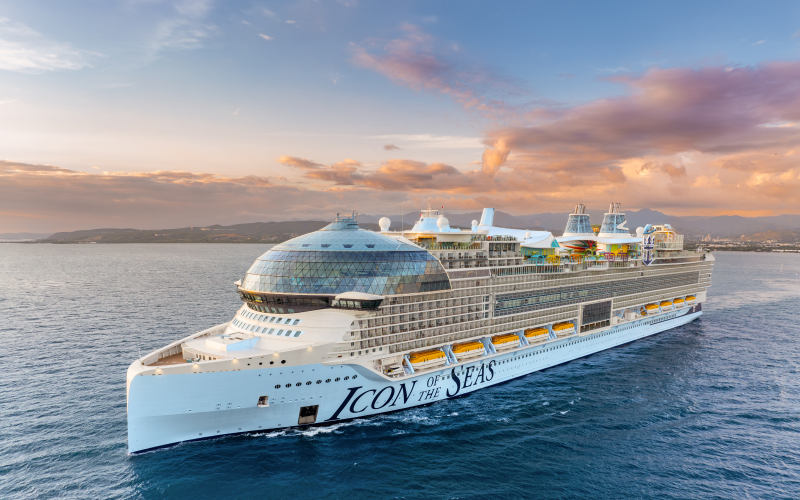
Up to 60% Off Second Guest, Up to Free Kids Sail, Up to Free 3rd and 4th Guests plus Up to $150 Onboard Credit Royal Caribbean
Expires: Aug 2, 2026 View Deal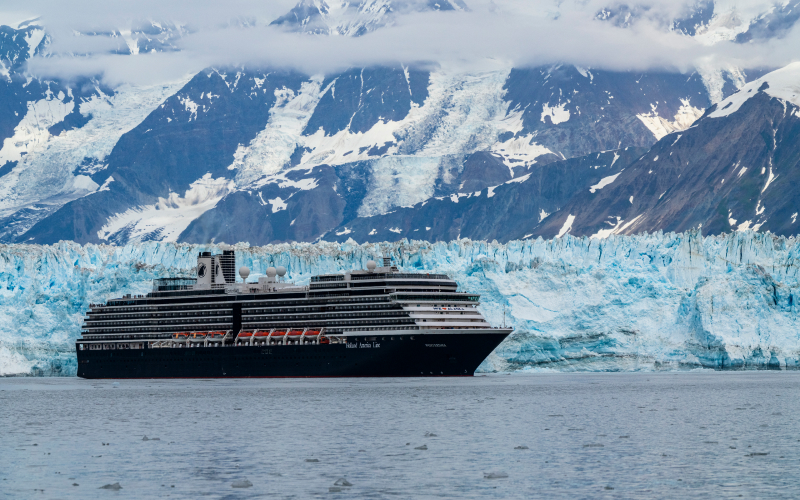
Up to 50% Reduced Deposit, Up to Free Have It All Package and Up to Free Kids Fares with Holland America
Expires: Jul 23, 2026 View Deal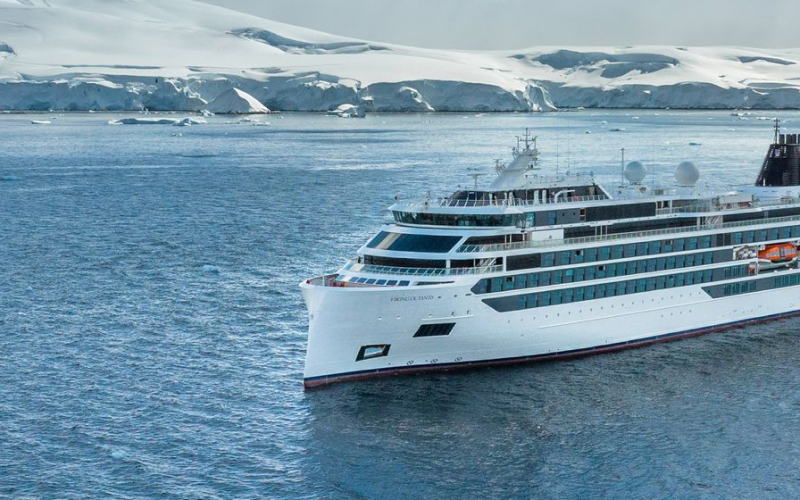
Up to Free International Airfare, Up to $25 Deposit and Up to $200 Onboard Credit on River, Ocean and Expedition Cruises with Viking
Expires: Jul 31, 2026 View DealBest Time to Go on a Cruise
Explore the best months and seasons to set sail — find the perfect time for your dream cruise vacation.