- Luxury Cruises vacations
- Planning Your Cruise
- Motion Sickness on Cruise
Motion Sickness on Cruise

The good news is that there are many effective strategies to prevent or manage it for passengers concerned about cruise motion sickness. Bonine, or Scopolamine patches, preparation is key, from choosing the correct cabin location midship and on lower decks, to packing seasickness remedies (Dramamine). Natural remedies (ginger tea, peppermint candies, and acupressure wristbands) provide relief for mild cases. Learn practical prevention tips, natural solutions, and medical options to minimize discomfort, ensuring that seasickness does not overshadow the excitement and relaxation of their cruise adventure.
What is Motion Sickness on a Cruise?
Motion Sickness on a Cruise is a condition where a traveler feels unwell because the brain receives conflicting information about motion from the inner ear (vestibular system), eyes (visual input), and body (proprioception). The inner ear detects the ship’s movement, pitch, roll, and sway, while the eyes see relatively stable interiors, causing a sensory mismatch that the brain interprets as a threat. The mismatch triggers autonomic responses (nausea, dizziness, headache, cold sweats, and fatigue), which guests describe as being seasick on cruise. Guests’ susceptibility varies based on genetics, prior history of motion sensitivity, anxiety, sleep quality, and situational factors (reading below deck, strong odors, alcohol intake, or dehydration).
Seasickness occurs because wave-induced motion repeatedly disrupts equilibrium, on a motion sickness cruise, overwhelming the vestibular system and confusing visual cues. Motion intensity (amplitude and frequency), ship size, stabilizer effectiveness, cabin location (midship and lower decks move less), and route conditions (calm vs rough seas) all influence symptom severity. The brain’s protective response treats the sensory conflict (toxin exposure, amplifying nausea and sometimes vomiting). The effect is more potent on smaller vessels or in choppy waters, and weaker on large ships with advanced stabilizers or on river itineraries with naturally calm water. Seasickness arises when the brain does not reconcile inner ear signals with what the eyes and body perceive, producing discomfort until the motion or sensory inputs change.
How to know if you will get Seasick on a Cruise?
To know if you will get Seasick on a Cruise, there are eight steps to follow. First, review their history with motion sickness (nausea in cars, planes, or amusement rides), since the experiences predict how the body reacts at sea. Second, evaluate sensitivity to balance changes, because guests with inner ear issues are more prone. Third, check comfort in enclosed spaces, as staying below deck without a horizon view worsens symptoms. Fourth, observe how reading or using screens while moving affects them, since dizziness signals a higher risk. Fifth, assess tolerance to strong odors or alcohol, which intensify nausea. Sixth, monitor hydration and sleep habits, because fatigue increases vulnerability. Seventh, consider ship size and route, since larger vessels with stabilizers and calmer waters reduce motion. Lastly, prepare remedies (acupressure bands or medication) to manage symptoms. Awareness is essential for First Time Cruisers, as preparation ensures a smoother and more enjoyable journey.
Should I go on a Cruise if I get Motion Sickness?
Yes, you should still go on a cruise even if you get motion sickness because modern cruise ships are specifically engineered to reduce the effects of rolling and pitching. Large vessels are equipped with stabilizers, mechanical fins that counteract wave motion, making the ride smoother even in moderate seas. The itineraries sail in calmer regions (Caribbean or Mediterranean), where seasickness is less common. Cruises offer unique benefits, including passengers visiting multiple destinations without repeated packing and unpacking, enjoying world-class dining and entertainment, and relaxing in luxurious accommodations, beyond stability. Travelers prone to seasickness still enjoy the whole cruise experience, with preparation (choosing midship cabins, avoiding excessive alcohol, and using remedies, acupressure bands, or medication).
Guests must seek medical advice before traveling if they have a strong history of motion sickness. A doctor recommends preventive strategies, prescribes medications (antihistamines or scopolamine patches, and advises on lifestyle adjustments (hydration and rest). Medical consultation is essential for guests with severe or recurring motion sensitivity, since unmanaged seasickness affects the enjoyment of the trip. Travelers reduce the risk of severe discomfort while still gaining the advantages of cruising, cultural exploration, relaxation, and entertainment at sea by preparing properly and consulting a professional. The balance ensures that even motion-sensitive guests safely experience the joys of being on a cruise without constant worry.
Recommended Itineraries

Capital Cities Of The Danube (2026)
Tahiti & The Society Islands
The Coastal Express – Roundtrip
What are the Symptoms of Seasickness on a Cruise?
The symptoms of Seasickness on a Cruise are listed below.
Nausea
Nausea occurs when the brain receives conflicting signals between the inner ear (balance) and the eyes (visual stability). The mismatch creates a sense of unease in the stomach, leading to queasiness. Nausea is the first and most recognizable symptom of seasickness.
Vomiting
Vomiting is the body’s response to prolonged nausea and imbalance. The brain interprets the sensory conflict as a potential toxin, triggering the stomach to expel contents. The protective reflex is common when seasickness intensifies.
Dizziness
Dizziness results from the inner ear’s inability to stabilize balance while the ship moves. The vestibular system signals motion, but the eyes perceive stillness, creating disorientation. The spinning sensation makes walking or standing difficult.
Headache
Headaches develop due to the strain of constant sensory conflict and stress. The brain works harder to process mismatched signals, leading to tension and discomfort. Headaches accompany other seasickness symptoms.
Sweating
Sweating is a stress response triggered by the autonomic nervous system. It activates fight-or-flight reactions, including perspiration, when the body feels threatened by imbalance. The symptom appears alongside nausea and dizziness.
Fatigue
Fatigue arises from the body’s effort to cope with ongoing discomfort. The brain and muscles expend extra energy trying to maintain balance and stability. Passengers feel drained from seasickness.
Pale Skin
Pale skin occurs because blood flow is redirected in stress responses. The body prioritizes internal organs over the skin, leading to a washed-out appearance. The visible symptom signals moderate to severe seasickness.
Loss of Appetite
Loss of appetite is linked to nausea and stomach unease. The digestive system slows down as the body focuses on resolving sensory conflict. Passengers avoid meals due to fear of worsening symptoms.
Difficulty Concentrating
Difficulty concentrating happens when the brain is overwhelmed by conflicting sensory input. Cognitive resources are diverted to balance and motion processing, leaving less capacity for focus. It makes reading or enjoying activities harder.
Anxiety
Anxiety develops as passengers anticipate or experience seasickness. The discomfort and unpredictability of motion trigger stress responses in the nervous system. Anxiety worsens physical symptoms, creating a cycle of unease.
How long does Seasickness Last?
Seasickness lasts between 4 and 72 hours, depending on the guests and the conditions at sea. Symptoms (nausea, dizziness, and headaches) fade within the first day as the body begins to adjust to the ship’s motion for many passengers. Seasickness resolves more quickly, sometimes within just 3 hours, because the ride is smoother and less disruptive to the inner ear, on modern cruise ships equipped with stabilizers.
The exact duration varies since guests are more sensitive to motion than others. Passengers with a strong history of motion sickness experience discomfort for up to two or three days, while others adapt almost immediately. The reason seasickness does not last indefinitely is that the brain gradually adapts to the sensory conflict between the inner ear (which senses movement) and the eyes, which see a stable environment. The symptoms diminish, allowing most travelers to regain comfort and enjoy the cruise, once the brain reconciles the signals.
Do People get Seasick on Cruises?
Yes, people can get seasick on cruises, because seasickness is a form of motion sickness caused by conflicting signals between the inner ear (which senses movement). The vestibular system detects motion that the eyes do not, creating a sensory mismatch when the ship moves with waves. The confusion triggers symptoms (nausea, dizziness, headaches, and fatigue). Modern cruise ships are equipped with stabilizers that reduce rolling and pitching, making seasickness less common than passengers expect. It is still possible to experience discomfort depending on the conditions.
Seasickness differs from person to person. Some travelers are susceptible to motion and feel unwell even in gentle seas, while others never experience symptoms at all. Genetics, prior history of motion sickness, cabin location, ship size, and route conditions influence whether someone feels seasick. Larger ships and calmer waters reduce the risk, while smaller vessels or rough seas increase it. The answer to “can you get seasick on a cruise?” or ‘do you get sea sick on a cruise?” is yes, but the possibility and severity vary widely. Passengers find that their bodies adapt quickly once the brain reconciles the sensory signals.
Which Cruise Lines Suit Travelers Prone to Seasickness?
Show more info
Cruise Lines that suit travelers prone to seasickness are listed below.

1. AmaWaterways River Cruises
AmaWaterways River Cruises is a luxury river cruise company specializing in journeys through Europe, Asia, and Africa.
Show more info
The ships are designed for intimate travel experiences, carrying fewer passengers than ocean liners, and focusing on cultural immersion along rivers (Danube, Rhine, Mekong, and Nile). AmaWaterways vessels navigate inland waterways where the environment is calm and predictable, eliminating the rolling and pitching motions that trigger seasickness. Passengers prone to motion sickness find river cruising with AmaWaterways far more comfortable and stable.
AmaWaterways ships do not rely on large stabilizers (ocean liners), as they are unnecessary in river conditions. The rivers they travel, protected, narrow, and smooth, provide stability, meaning passengers rarely feel any movement at all. The vessels are smaller compared to ocean cruise ships, but it is an advantage for seasickness-prone travelers, since the calm waters negate the need for massive ship size or advanced motion-control technology. The AmaWaterways cruise offers a refined cruising experience where seasickness is virtually absent due to the nature of river travel.
2. Uniworld Boutique River Cruises
Uniworld Boutique River Cruises is a luxury river cruise company that focuses on small, stylish ships designed as floating boutique hotels.
Show more info
Each vessel is decorated with unique art, elegant furnishings and offers a high level of personalized service. The waters are calm and steady, so passengers rarely feel the rocking motion that causes seasickness, because Uniworld sails only on rivers (Danube, Rhine, Seine, and Mekong. It makes their cruises a good option for travelers who want comfort and culture without worrying about motion sickness.
Uniworld ships are smaller than ocean liners and do not need stabilizers, since rivers are naturally smooth and sheltered. The calm water means guests enjoy the scenery, onboard dining, and excursions without discomfort. The itineraries are designed to maximize time in ports, so travelers spend more time exploring cities and towns rather than crossing rough seas. The Uniworld Boutique River Cruise offers a safe, steady, and luxurious way to experience river cruising with minimal risk of motion-related issues for passengers prone to seasickness.
3. Scenic Luxury Cruises and Tours
Scenic Luxury Cruises and Tours is a travel company that provides premium river and ocean cruise experiences.
Show more info
The river cruises sail through destinations in Europe and Asia, where the waters are calm and steady, making them a good choice for passengers who feel seasick. Passengers rarely notice motion, since the ships move along protected rivers, allowing them to enjoy sightseeing, dining, and onboard comfort without discomfort. The itineraries are carefully planned to keep the journey smooth and enjoyable for sensitive travelers.
Scenic ships are smaller than large ocean liners and do not need stabilizers because rivers naturally offer stable conditions. The gentle waterways allow guests to relax while experiencing luxury suites, fine dining, and cultural excursions without the rocking of the sea. Scenic’s river cruises provide a safe and elegant way for travelers prone to seasickness, combining stability with immersive travel. The Scenic Luxury Cruise focuses on calm routes, ensuring that motion sickness is rarely an issue, making the trip comfortable and memorable.
4. Riverside Luxury Cruises
Riverside Luxury Cruises is a boutique river cruise company that focuses on elegant, small-scale ships designed for comfort and personalized service.
Show more info
The journeys take place on Europe’s major rivers (Danube and Rhine), where the water is naturally calm and predictable. Because the ships sail only on rivers, passengers are not exposed to the rolling waves of the ocean, which makes seasickness very unlikely. The calm environment allows guests to enjoy the scenery and onboard amenities without worrying about motion discomfort.
Riverside ships are much smaller than ocean liners and do not require stabilizers, since river conditions are already smooth and steady. The vessels are built for luxury and intimacy rather than size, offering stylish interiors and attentive service. Travelers prone to seasickness benefit from the sheltered waterways and the absence of ocean swells, making Riverside Luxury Cruise a safe and comfortable choice. The focus on calm routes ensures stability throughout the journey, combining boutique elegance with a worry-free travel experience.
5. Emerald Cruises
Emerald Cruises is a company that offers river cruises in Europe and Asia and yacht-style voyages in coastal regions.
Show more info
The river cruises are suitable for travelers prone to seasickness because rivers provide calm, steady waters with little to no rocking motion. Guests enjoy sightseeing, dining, and cultural excursions without worrying about the discomfort that often comes with ocean travel. It makes Emerald’s river itineraries a safe and enjoyable choice for sensitive travelers.
Emerald’s river vessels are built on a smaller scale than ocean liners and do not require stabilizers, as the rivers they travel are naturally calm and protected. The yachts are compact and are intended for coastal routes where the water is gentler than the open sea. Guests choose between the styles of cruising, but the river itineraries provide the highest level of stability. The Emerald Cruise delivers the most comfortable experience for passengers sensitive to motion, with smooth waters and a relaxing atmosphere throughout the journey.
6. Celebrity Cruises
Celebrity Cruises is a premium ocean cruise line known for its large, modern ships and upscale amenities.
Show more info
The vessels are equipped with advanced stabilizer technology, which helps reduce the rolling and pitching motions of the sea. Passengers prone to seasickness experience less discomfort compared to smaller ships. Celebrity’s itineraries include routes through calmer waters (Caribbean), which minimizes motion-related issues.
The ships in Celebrity’s fleet are larger than river vessels, and their size adds to stability. Stabilizers work continuously to balance the ship, making the ride smoother even when the seas are moderate. The Celebrity Cruise provides a reliable option for travelers sensitive to motion, combining luxury service with technology that reduces seasickness. It makes them a strong choice for guests who want the ocean cruise experience without the worry of constant motion.
7. Royal Caribbean International
Royal Caribbean International is one of the largest ocean cruise lines in the world, known for its mega-ships and wide range of onboard activities.
Show more info
The vessels are built on a massive scale, which naturally adds stability and reduces the rolling motion of the sea. Advanced stabilizer technology is installed across the fleet, helping to minimize the pitching and swaying that trigger seasickness. It makes Royal Caribbean a strong option for travelers who are sensitive to motion but still want the whole ocean cruise experience.
Passengers often enjoy calmer waters compared to rougher transoceanic routes, because Royal Caribbean sails mainly in popular regions (Caribbean and Mediterranean). The combination of ship size, stabilizers, and itinerary choices means seasickness is less of a concern than on smaller vessels. The Royal Caribbean International cruise offers a reassuring balance of stability, comfort, and entertainment, allowing guests prone to motion discomfort to enjoy the journey without constant worry about seasickness.
8. Holland America Line
Holland America Line is a premium cruise company recognized for its mid-sized and large ships that emphasize comfort, cultural enrichment, and traditional cruising experiences.
Show more info
The vessels are equipped with advanced stabilizers, mechanical fins that counteract rolling and pitching, which reduce the sensation of motion onboard. The design makes the journey smoother and helps minimize seasickness compared to smaller ships. Passengers benefit from spacious accommodations, refined dining, and immersive itineraries that highlight the line’s reputation for elegance and stability.
The things that make Holland America favorable for passengers concerned about seasickness are its choice of calmer routes (Caribbean, Alaska’s Inside Passage, and the Mediterranean). The regions are naturally less turbulent, and when combined with the stabilizer technology and the size of the ships, passengers experience far less discomfort. A Holland America Line cruise offers a reassuring balance of reduced seasickness risk and memorable destinations for travelers seeking stability and sophistication.
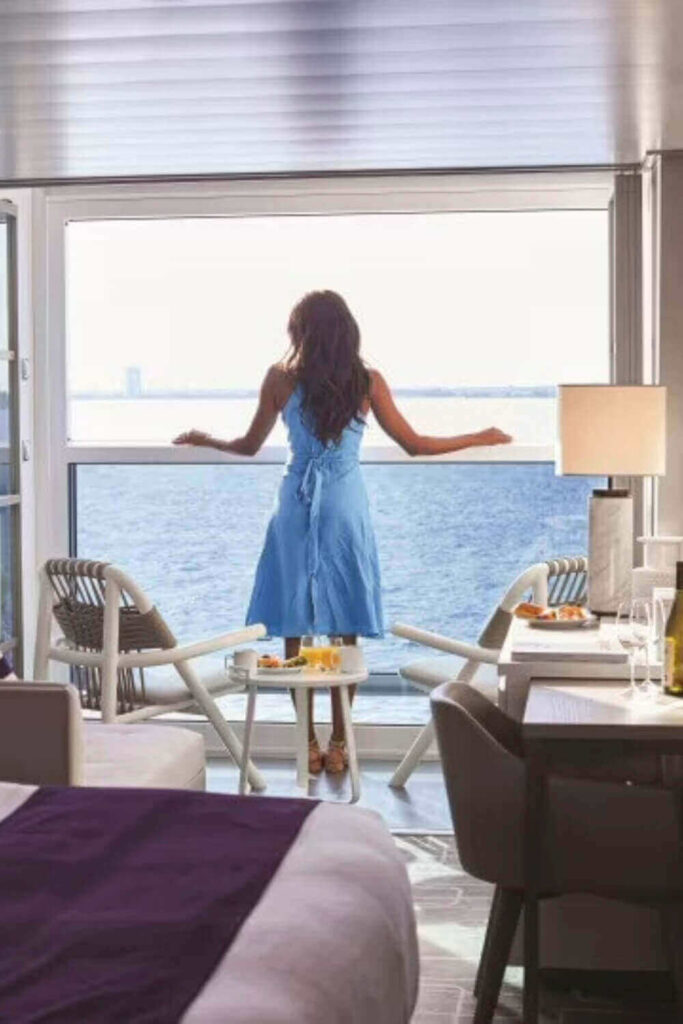
9. Princess Cruises
Princess Cruises is one of the largest and most popular cruise lines in the world, offering ships that are built with advanced stabilizers to reduce rolling and swaying, which helps passengers feel less motion and lowers the chance of seasickness.
Show more info
The ships are huge, and their size itself adds stability compared to smaller vessels. Princess focuses on giving travelers a mix of relaxation and adventure, with comfortable cabins, multiple dining options, and entertainment (Movies Under the Stars, live shows, and destination-focused programs).
The reason seasickness is less common on Princess Cruises is the choice of calmer routes (the Caribbean, Alaska’s Inside Passage, and the Mediterranean, where waters are smoother. Passengers who are sensitive to motion must book cabins midship and on lower decks, where movement is least noticeable. The cruise line provides medical staff on board and offers remedies for motion sickness if needed, giving extra reassurance to travelers. A Princess Cruises trip combines comfort, safety, and adventure while helping reduce seasickness for most passengers, with large ships, stabilizers, calm itineraries, and onboard support.
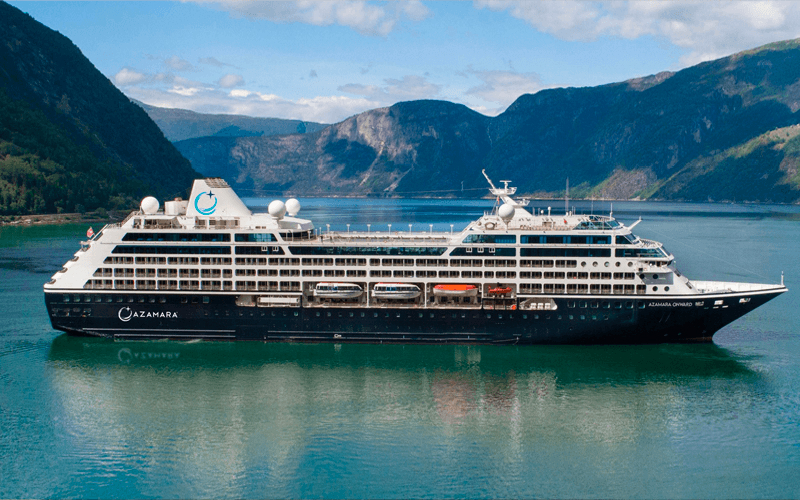
10. Azamara Cruises
Azamara Cruise is a boutique cruise line known for its smaller, mid-sized ships that focus on destination immersion and more extended port stays.
Show more info
Passengers feel more motion at sea, which increases the chance of seasickness, because the ships are smaller than major cruise lines. However, Azamara vessels are equipped with stabilizers, mechanical fins that counteract rolling and pitching, to make sailing smoother and more comfortable. The line emphasizes personalized service, intimate onboard experiences, and access to ports that larger ships do not reach, giving travelers a unique balance of luxury and adventure.
Seasickness on Azamara is less of a concern because many of their itineraries sail through calmer waters (Mediterranean, Caribbean, and other sheltered regions. Choosing midship cabins on lower decks helps reduce discomfort, while sensitive travelers still notice movement. Guests benefit from onboard medical support and common remedies (acupressure bands or medication if needed. An Azamara Cruise journey offers cultural depth and comfort, with stabilizers, carefully chosen routes, and attentive service, making seasickness manageable for most passengers.
11. Oceania Cruises
Oceania Cruise is a luxury cruise line well known for its smaller, elegant ships that focus on fine dining and destination-rich itineraries.
Show more info
Passengers feel a bit more motion at sea, which sometimes leads to seasickness. The ships are equipped with stabilizers that help balance the vessel and reduce rolling, making the ride smoother and more comfortable. Oceania emphasizes a relaxed atmosphere, gourmet cuisine, and personalized service, giving travelers a refined experience while still maintaining stability at sea.
Seasickness is less of a concern on Oceania because its itineraries sail through calmer waters (Mediterranean, Caribbean, and other sheltered regions). Choosing cabins midship and on lower decks helps minimize discomfort, while sensitive travelers still notice some movement. The line provides onboard medical support and common remedies for motion sickness, ensuring passengers feel secure. An Oceania Cruise offers luxury and comfort, making seasickness manageable for most travelers, with stabilizers, carefully chosen routes, and attentive service.
12. Seabourn Cruise Line
Seabourn Cruise Line is a luxury cruise company known for its smaller, ultra-luxury ships that provide an intimate and personalized travel experience.
Show more info
Passengers feel more motion at sea, which sometimes leads to seasickness, because the vessels are smaller compared to mega-ships. Seabourn ships are equipped with advanced stabilizers that help reduce rolling and pitching, making the sailing smoother and more comfortable. The line emphasizes spacious suites, fine dining, and attentive service, offering a refined atmosphere while still maintaining stability at sea.
Seabourn sails in calmer waters, which helps minimize the risk of seasickness. Choosing cabins midship and on lower decks reduces discomfort, while sensitive travelers still notice some movement. Guests benefit from onboard medical support and common remedies for motion sickness if needed. Carefully selected itineraries and a focus on passenger comfort, with stabilizers, a Seabourn Cruise Line journey combines luxury and stability, making seasickness manageable for most travelers.
13. Regent Seven Seas Cruises
Regent Seven Seas Cruise is a luxury cruise line known for its all-inclusive experience and mid-to-large ships that emphasize comfort and stability.
Show more info
The vessels are equipped with advanced stabilizers, which help reduce rolling and pitching, making the sailing smoother and lowering the risk of seasickness. Regent focuses on spacious suites, fine dining, and personalized service, offering travelers a refined and elegant atmosphere while maintaining stability at sea. Passengers feel less motion compared to smaller vessels because of the ship’s size and design.
Seasickness is less of a concern on Regent itineraries because many of their voyages travel through the Caribbean, Mediterranean, and Alaska’s Inside Passage. The regions are naturally smoother, which minimizes discomfort. Sensitive travelers reduce motion effects by booking cabins midship and on lower decks, where movement is least noticeable. Carefully chosen routes and attentive onboard support, with stabilizers. A Regent Seven Seas provides luxury and comfort, making seasickness manageable for most passengers while delivering a world-class travel experience.
14. Silversea Cruises
Silversea Cruise is a luxury cruise line known for its smaller, ultra-luxury ships that provide an intimate and personalized travel experience.
Show more info
Passengers feel more motion at sea because the vessels are smaller compared to mega-ships, which sometimes leads to seasickness. Silversea ships are equipped with advanced stabilizers that reduce rolling and pitching, making the sailing smoother and more comfortable. The line emphasizes spacious suites, fine dining, and attentive service, offering a refined atmosphere while still maintaining stability at sea.
Silversea sails through regions with calmer seas, including the Caribbean, Mediterranean, and other sheltered waters. Passengers who want extra stability choose cabins located midship and on lower decks, where motion is least noticeable. Onboard medical staff and common remedies are available to assist guests if needed. A Silversea Cruise offers a refined experience where seasickness is minimal and well managed, with stabilizers, thoughtful itineraries, and attentive service.
15. Paul Gauguin Cruises
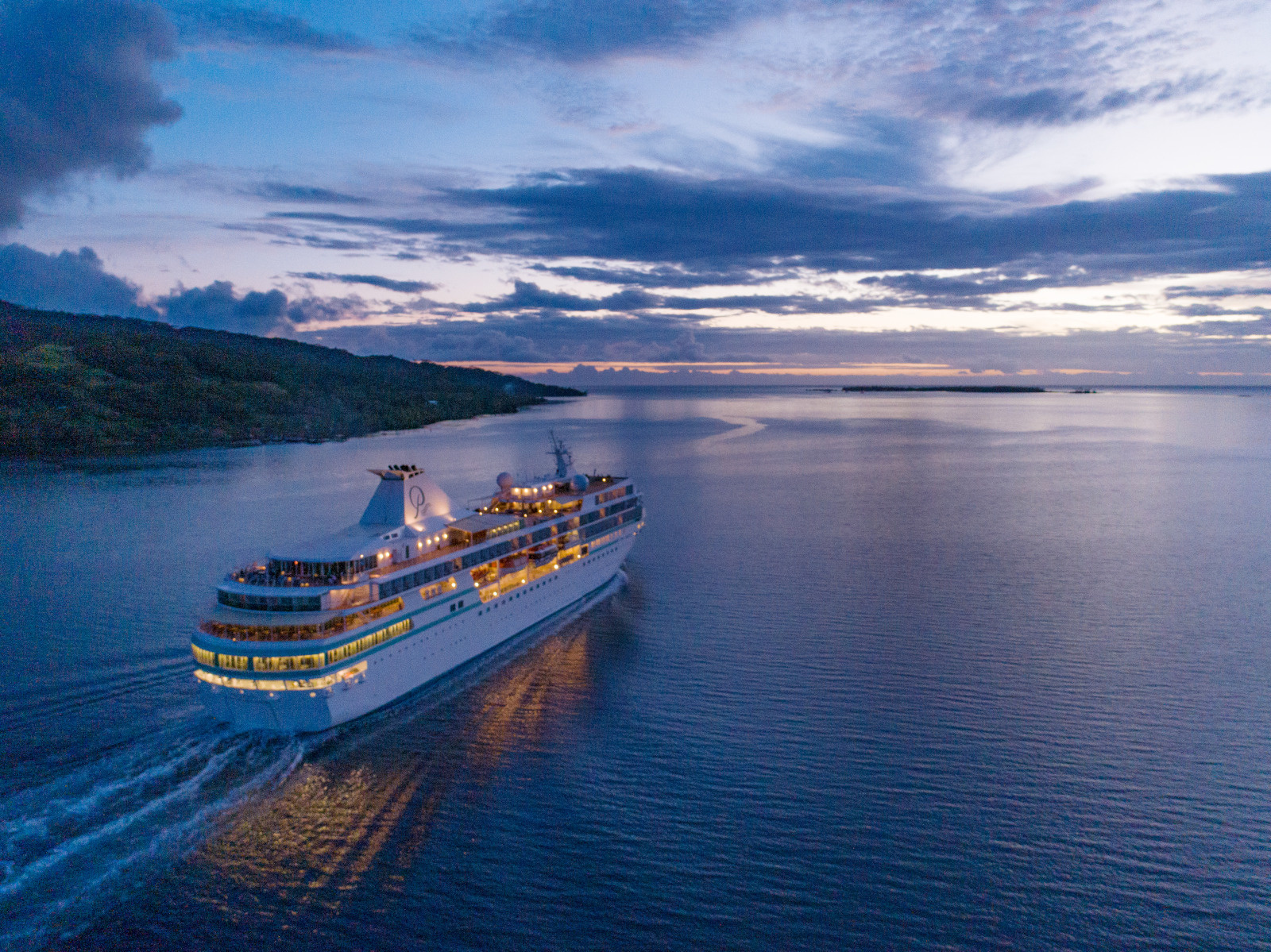
Paul Gauguin Cruise is a boutique luxury cruise line best known for its small ship that sails primarily in French Polynesia and the South Pacific.
Show more info
Passengers feel more motion at sea, which sometimes lead to seasickness, because the vessel is smaller than major cruise lines. The ship is equipped with stabilizers that help reduce rolling and pitching, making the ride smoother. The intimate size allows access to smaller ports and lagoons, creating a unique experience focused on cultural immersion and natural beauty.
Seasickness is less of a concern on Paul Gauguin itineraries because they travel through calm, sheltered waters in Tahiti, Bora Bora, and the Society Islands. The regions are known for gentle seas compared to open-ocean crossings. Sensitive travelers minimize discomfort by choosing cabins midship and on lower decks, where movement is least noticeable. A Paul Gauguin Cruise offers luxury and stability, making seasickness manageable while delivering an unforgettable island-hopping experience with stabilizers, calm South Pacific routes, and attentive onboard service.
16. The Ritz-Carlton Yacht Collection
The Ritz-Carlton Yacht Collection is a luxury cruise brand that reconsiders traditional cruising by offering small, ultra-modern yachts designed for exclusivity and comfort.
Show more info
The yachts carry more than 400 guests, creating an intimate atmosphere with spacious suites, fine dining, and personalized service inspired by The Ritz-Carlton’s hotel standards. Each yacht is equipped with advanced stabilizers that reduce rolling and pitching, ensuring smoother sailing and helping to minimize seasickness, while smaller vessels feel more motion than large cruise liners. The design emphasizes elegance and stability, blending the prestige of Ritz-Carlton hospitality with the adventure of yachting.
Seasickness is less of a concern because The Ritz-Carlton Yacht Collection sails in Caribbean and the Mediterranean. Sensitive travelers reduce discomfort by choosing cabins midship and on lower decks, where movement is least noticeable. Onboard medical staff and remedies are available, giving passengers reassurance throughout their journey. Carefully selected itineraries and a focus on personalized luxury, with stabilizers. The Ritz-Carlton Yacht Collection offers stability, making seasickness manageable while delivering an unforgettable yachting experience.
17. Four Seasons Yachts
Four Seasons Yacht is designed to deliver an ultra-luxury yachting experience, combining the brand’s signature hotel-style service with intimate voyages at sea.
Show more info
The yachts accommodate guests, creating a highly personalized atmosphere with spacious suites, fine dining, and curated itineraries. Four Seasons Yachts are equipped with advanced stabilizers that reduce rolling and pitching, ensuring smoother sailing and minimizing the risk of seasickness. Smaller vessels feel more motion than large cruise liners. The design emphasizes exclusivity, comfort, and elegance, blending the prestige of Four Seasons hospitality with the adventure of yachting.
Seasickness is reduced because itineraries often pass through naturally calmer routes such as Alaska’s Inside Passage, the Baltic Sea, and the Bahamas, where waters are sheltered and smoother compared to open-ocean crossings. Guests who are sensitive to motion choose cabins midship and on lower decks, where movement is least noticeable. Onboard medical staff and remedies are available to provide reassurance if needed. Carefully selected itineraries and a strong focus on passenger comfort, with stabilizers. A Four Seasons Yacht journey offers stability, making seasickness manageable while delivering a luxury voyage.
Recommended Itineraries
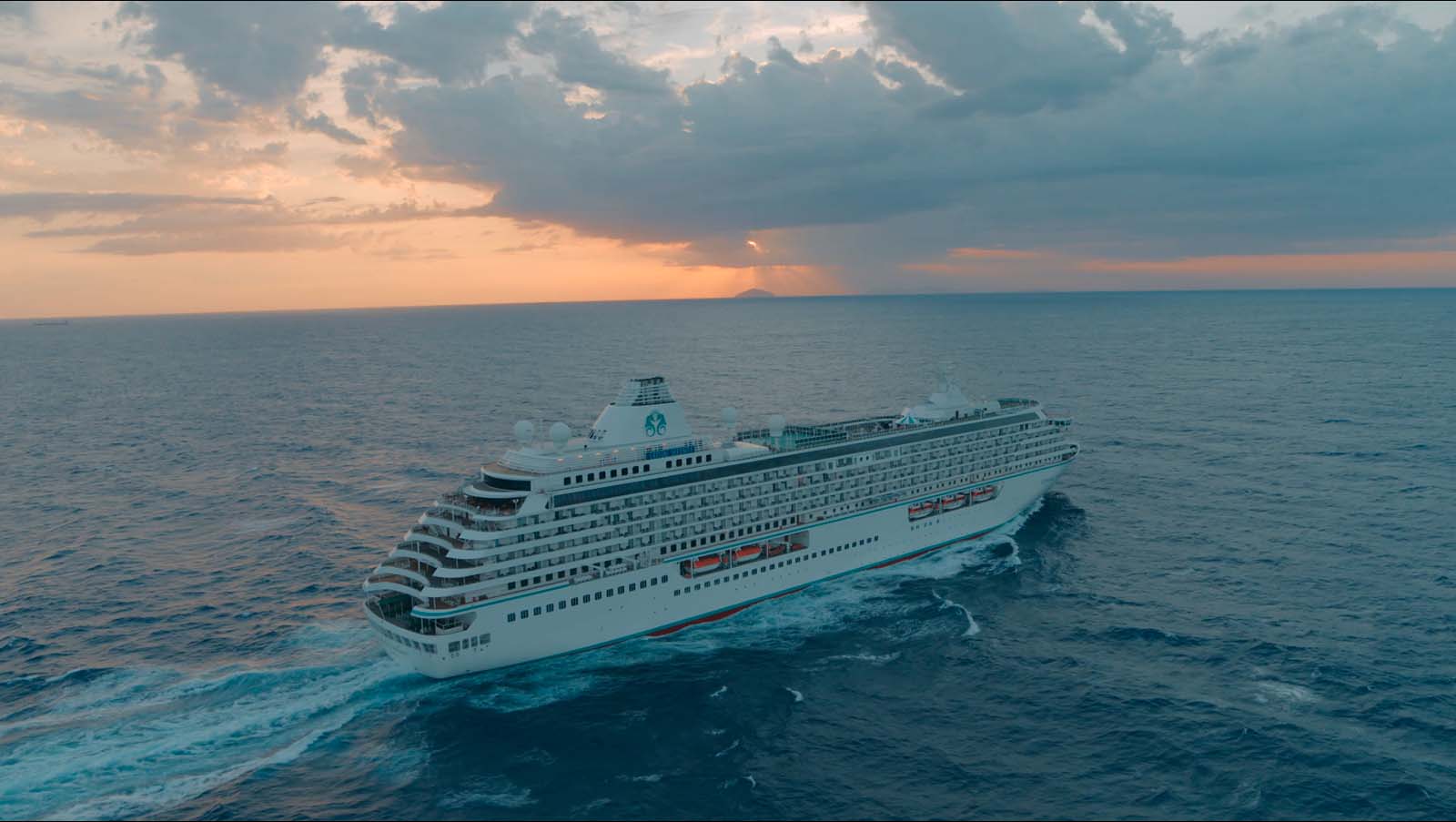
Europe & Mediterranean
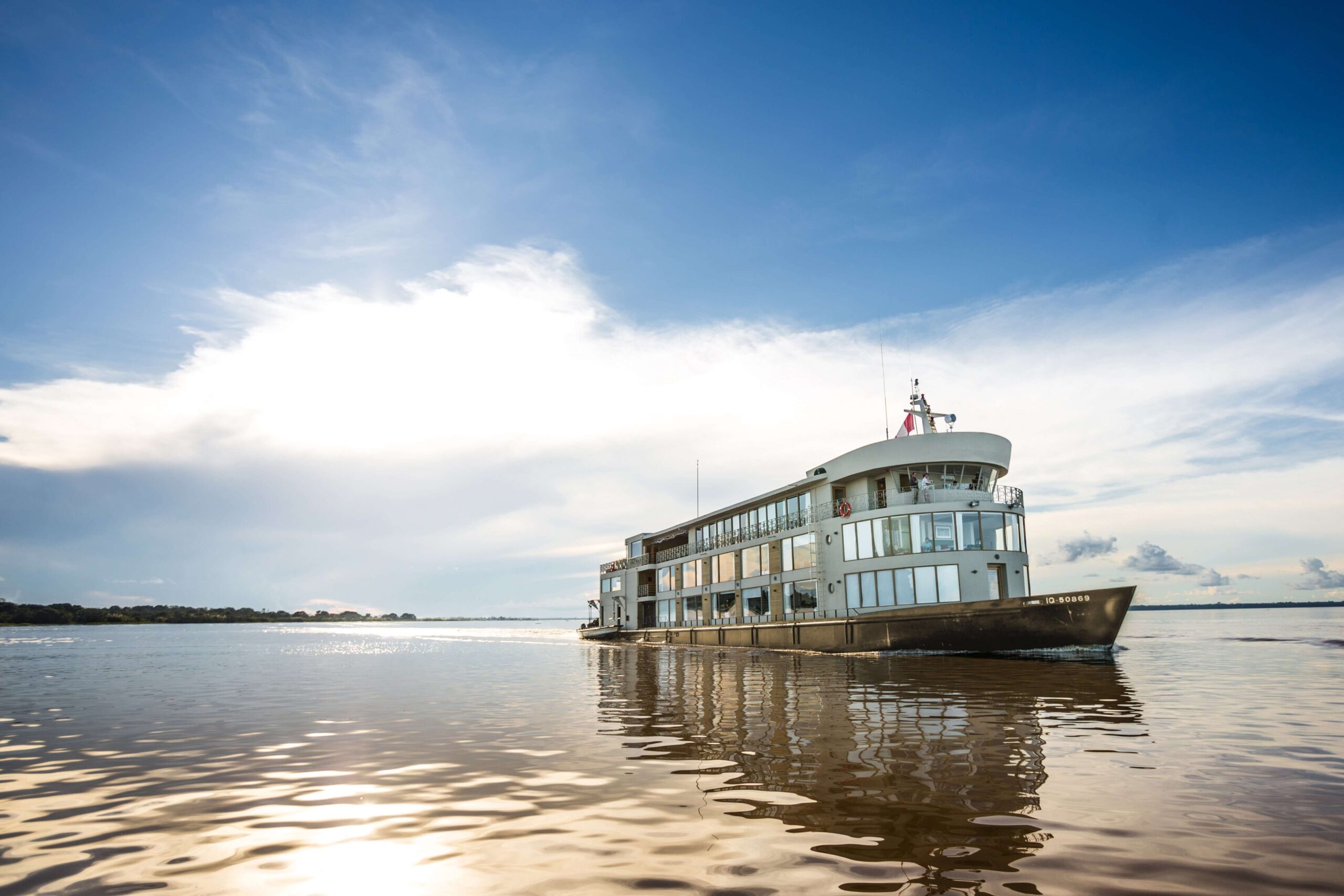
Roots Of The Atlantic: Portugal, Morocco And The Canary Islands
Ancient Shores Of The Mediterranean
How Bad is Motion Sickness on a Cruise Ship?
Motion Sickness on a Cruise Ship is bad that some travelers feel noticeably queasy in rougher seas, while others remain completely fine, because sensitivity varies by person and by conditions. Motion at sea comes from rolling, pitching, and yawing, driven by wind, swells, speed, and a ship’s orientation to waves. Modern vessels counter it with advanced fin stabilizers that actively adjust to dampen roll, optimized hull designs that cut through waves more cleanly, and itineraries planned to avoid historically rough seasons and routes. Ship size and mass matter: larger ships tend to feel steadier, while smaller yachts trade scale for access and intimacy. The environment onboard plays a role, too. Enclosed spaces with conflicting visual cues worsen symptoms, whereas fresh air and a stable horizon help the brain reconcile inner-ear signals. The guests acclimate after a day or two as the vestibular system adapts, but with a history of car or air sickness, they remain more susceptible.
The guests are simply more motion-sensitive, and scenarios, open-ocean segments, strong crosswinds, or bow/stern cabins, increase perceived movement. Practical choices reduce risk. Midship cabins on lower decks sit closest to the ship’s center of movement. Spending time outside and focusing on the horizon aids sensory alignment. Light, frequent meals with adequate hydration are easier on the stomach than heavy or greasy foods. Avoiding excessive alcohol and fatigue helps resilience. Cruise lines add layers of comfort through real-time route adjustments, speed changes to smooth swells, and trained medical staff who offer general guidance if discomfort occurs. Ship design, route planning, and smart passenger habits working together, motion sickness is manageable, even for sensitive travelers, but experiences differ from person to person, with stabilizers.
Can you get Motion Sickness after a Cruise?
Yes, you can get motion sickness even after a cruise, and the condition is called Mal de Débarquement Syndrome (MDDS). The MDDS is commonly referred to as “sea legs” or “land sickness.” It happens when the body continues to feel like it is swaying or rocking, even back on solid ground. It occurs because the brain and inner ear adapt to the constant motion of the ship, and when the voyage ends, they sometimes struggle to recalibrate to a stable environment. Most guests experience mild sensations that fade within 2 hours or 2 days, but in some cases, the imbalance lingers for weeks.
The MDDS is relatively rare, but it is disruptive when it happens. Symptoms include a persistent rocking or bobbing sensation, unsteadiness when walking, fatigue, and difficulty concentrating. MDDS does not respond to standard motion sickness medications, unlike seasickness, since it is more about the brain’s adjustment process than immediate inner-ear disturbance. Prolonged symptoms must seek medical evaluation to rule out other vestibular conditions, while the majority of travelers recover naturally. MDDS shows that the body’s adaptation to motion sometimes extends beyond the voyage itself, while motion sickness on a cruise is manageable with stabilizers and remedies.
How to get rid of Motion Sickness after a Cruise?
To get rid of Motion Sickness after a Cruise, there are six steps to follow. First, focus the eyes on a fixed point (horizon or a stationary object) to help the brain recalibrate to solid ground. Second, avoid stimulating environments (crowded rooms, flashing screens, or fast-moving visuals, since they confuse the senses and worsen the sensation of swaying. Third, spend time outdoors in fresh air and natural light, which helps the inner ear and vision realign more quickly. Fourth, stay hydrated and eat light, balanced meals, because dehydration and heavy foods intensify nausea and dizziness. Fifth, give the body adequate rest and gentle movement, short walks or stretching, which help retrain the balance system faster than lying down all day. Lastly, seek professional medical advice if symptoms persist beyond 4 days, as prolonged sensations indicate Mal de Débarquement Syndrome (MDDS) or another vestibular condition that requires evaluation. The travelers ease post-cruise motion sickness and return to normal stability by combining visual focus, environmental control, healthy routines, and medical support when needed.
How to Prevent Seasickness on a Cruise?
To prevent seasickness on a cruise, there are six steps to follow. First, pack medicine (motion sickness tablets, patches, or acupressure wristbands) to be prepared in advance. Second, select a cabin midship and on lower decks, since these areas experience the least movement. Third, spend time on deck focusing on the horizon or a fixed point, which helps the inner ear and vision align with the ship’s motion. Fourth, avoid heavy meals, alcohol, and overly stimulating environments (crowded lounges or flashing screens), as they worsen nausea. Fifth, stay hydrated, eat light snacks, and keep the body rested, because fatigue and dehydration make symptoms more noticeable. Lastly, practice relaxation techniques (deep breathing, light walking, or gentle stretching) to keep the body balanced, and ensure the essentials are included in the Cruise Packing List, along with knowledge of what helps with sea sickness, so fully prepared for a smoother, more comfortable journey.
What is the Best Motion Sickness Medicine for Cruises?
The Best Motion Sickness Medicine for Cruises is Scopolamine patches, Dimenhydrinate (Dramamine), and Meclizine (Bonine). Scopolamine patches are worn behind the ear and release medication gradually over three days, making them convenient for longer cruises. Dimenhydrinate is taken every 4 to 6 hours and works quickly to relieve nausea, but it causes drowsiness. Meclizine is taken once daily and is less sedating, making it a popular choice for travelers who want to stay alert. The options are widely recommended as seasick medicine for cruise because they directly target the inner ear and brain signals responsible for motion sickness.
Motion sickness has side effects that vary by person, even though the medicines are effective. Scopolamine patches cause dry mouth, blurred vision, or dizziness if not used properly. Dimenhydrinate leads to drowsiness and must be avoided if the plan is to drink alcohol or need to stay active. Meclizine still causes mild fatigue or dry mouth. Consult a healthcare professional before sailing, for passengers wondering what to take on a cruise for motion sickness if they have underlying conditions or take other medications. The medicines make cruising far more comfortable, with the proper preparation and awareness of side effects.
Do Cruise Ships have Doctors for Motion Sickness?
Yes, cruise ships do have doctors and medical staff onboard to assist passengers who experience motion sickness or other health concerns during their voyage. The ships are equipped with medical facilities that provide immediate care, including administering anti-nausea injections, prescribing medication, and monitoring passengers who are more sensitive to motion. The presence of trained physicians and nurses ensures that seasickness, dehydration, or dizziness are managed quickly, giving travelers peace of mind while at sea.
The onboard medical teams are prepared to handle a wide range of conditions beyond seasickness (minor injuries, respiratory issues, or chronic illness management). The doctors offer consultations, dispense medication, and provide professional advice customized to each passenger’s needs. Cruise lines emphasize passenger safety by maintaining modern clinics with diagnostic equipment and emergency response capabilities. Guests receive remedies (Scopolamine patches or Meclizine tablets) directly from the Cruise Medical Center, specifically for seasickness, ensuring that professional care is accessible and convenient throughout the journey.
What are Natural Remedies that Help with Seasickness?
The Natural Remedies that help with Seasickness are listed below.
- Show more info
Ginger Tea
Ginger tea helps calm the stomach and reduce nausea by naturally soothing the digestive system. It contains compounds (gingerol) that target the inner ear and gut, easing motion-related discomfort. Drinking it warm provides hydration and relaxation, which supports balance.
Peppermint Candies
Peppermint candies provide a cooling effect that relaxes stomach muscles and reduces queasiness. The menthol in peppermint stimulates digestion and calms the nervous system. Sucking on candies keeps the mouth busy, distracting from feelings of dizziness.
Chamomile Tea
Chamomile tea works as a gentle sedative that reduces anxiety and stomach upset. The calming properties help the body relax, which minimizes the intensity of motion sickness. Warm chamomile aids in hydration and soothes the digestive tract.
Acupressure Wristbands
Acupressure wristbands apply pressure to the P6 (Neiguan) point on the wrist, which is linked to nausea control. The physical stimulation helps balance signals between the inner ear and brain. Travelers find them effective because they are drug-free and easy to wear.
Lemon Slices
Lemon slices provide a refreshing scent and taste that cuts through nausea. The citrus aroma stimulates the senses, while the acidity helps settle the stomach. Chewing or smelling lemon quickly distracts the brain from motion discomfort.
Green Apples
Green apples are rich in pectin, which helps neutralize stomach acids and reduce queasiness. The crisp texture and mild sweetness provide a refreshing snack that is easy to digest. Eating apples keeps the body hydrated and energized during travel.
Deep Breathing Exercises
Deep breathing exercises calm the nervous system and reduce dizziness by increasing oxygen flow. Controlled breathing helps the body relax and distracts from feelings of imbalance. Practicing it regularly trains the body to respond more calmly to motion.
Staying Hydrated
Drinking water consistently prevents dehydration, which worsens nausea and dizziness. Hydration supports the inner ear’s balance system and keeps the body functioning smoothly. Small, frequent sips are more effective than drinking large amounts at once.
Fresh Air Exposure
Fresh air exposure helps clear the senses and stabilize the body’s perception of motion. Being outside allows the eyes to focus on the horizon, which aligns inner-ear signals with visual input. It reduces confusion in the brain and eases seasickness.
Light Physical Movement
Light physical movement (gentle walking or stretching) helps the body adjust to motion. Activity stimulates circulation and prevents the body from fixating on imbalance. Travelers feel steadier and less nauseated by keeping muscles engaged.
What is the Best Location on a Cruise Ship to Prevent Seasickness?
The best location on a Cruise Ship to prevent Seasickness is midship on a lower deck, close to the waterline. The area experiences the least motion because it is near the ship’s center of gravity, where rolling and pitching are minimized. Cabins located forward or aft tend to feel more movement since they are farther from the ship’s balance point, while higher decks exaggerate swaying due to their distance from the stabilizers. Passengers reduce the conflicting signals between their inner ear and vision, which are the leading causes of seasickness, by staying midship and low.
The stabilizers are most effective in the central part of the vessel, dampening side-to-side rolling and creating a smoother ride. Choosing staterooms midship and on lower decks is strongly recommended for passengers prone to seasickness, while spending time outdoors focusing on the horizon helps the body adjust. Public areas (midship lounges or dining rooms) tend to feel steadier compared to forward theaters or aft restaurants. The combination of midship, lower deck, and proximity to the waterline offers the most stable environment, making it the best location to prevent seasickness on a cruise.
Are there Cruise Cabins to Prevent Motion Sickness?
Yes, there are cruise cabins that can help prevent motion sickness, and their location and design features make a big difference. The most effective cabins are located midship and on lower decks, since the areas are closest to the ship’s center of gravity and waterline, where movement is least noticeable. Interior cabins without large windows or balconies help, because having no external view reduces visual confusion between what the eyes see and what the inner ear senses. Rooms near the center of the ship avoid the exaggerated swaying felt in forward or aft cabins, making them steadier in rough seas.
Additional attributes include choosing cabins away from noisy or high-traffic areas, since peace reduces stress that worsens seasickness. Proximity to stabilizers helps, as the mechanical systems are most effective in the central part of the vessel. Travelers prone to motion sickness often prefer smaller, enclosed spaces that feel more grounded compared to wide, open balcony cabins. Passengers minimize discomfort and enjoy a smoother journey, with the right choice of Cruise Cabins playing a role in comfort and stability, by carefully selecting midship, lower-deck, interior rooms.
Recommended Promotions
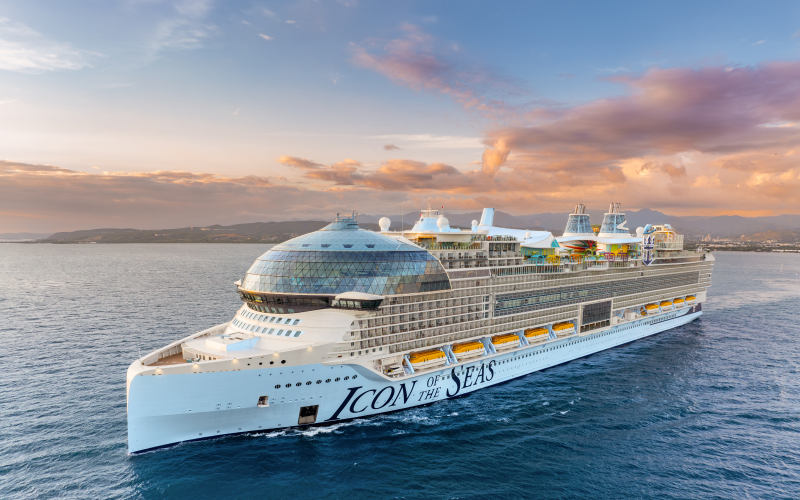
Up to 60% Off Second Guest, Up to Free Kids Sail, Up to Free 3rd and 4th Guests plus Up to $150 Onboard Credit Royal Caribbean
Expires: Aug 2, 2026 View Deal
Up to Free International Airfare, Up to $25 Deposit and Up to $200 Onboard Credit on River, Ocean and Expedition Cruises with Viking
Expires: Jul 31, 2026 View Deal