- Luxury Cruises vacations
- Planning Your Cruise
- Cruise Pregnancy Policy
Cruise Pregnancy Policy


A typical cruise pregnancy policy outlines the maximum number of weeks a guest is permitted to be pregnant to board, requiring that passengers must not enter their 24th week of pregnancy by the end of the cruise. The regulation mandates pregnant women to provide a medical certificate from their doctor, ensuring they are medically fit for travel. Cruise pregnancy policies help mitigate potential health risks and provide a safe and enjoyable experience for everyone on board, while most cruise lines permit guests to cruise while pregnant.
How do Pregnancy Policies differ by Cruise Line?
Pregnancy policies differ across cruise lines, with each brand implementing different week cutoffs, documentation requirements, and unique restrictions. The general industry standard restricts passengers who are entering their 24th week of pregnancy during the cruise, with most lines enforcing the cutoff. For example, Royal Caribbean, Disney, and Carnival restrict passengers from sailing if they are beyond 23 weeks at any point during the cruise. Cruise lines (Seabourn and Norwegian) require a medical certificate confirming the fitness of the pregnant guest to travel, although some lines (Disney) do not accept any medical waivers or statements for exceptions. Luxury cruise lines (Seabourn, Silversea, and Regent Seven Seas) tend to be stricter with pregnancy policies, including more detailed medical documentation or even higher cutoffs for pregnancy stages. The cruise lines focus more on ensuring the safety of the mother and baby, as their ships lack specialized medical staff and equipment to handle critical complications that are likely to arise from a late-stage pregnancy. The luxury lines emphasize a higher level of care and preparedness for any health concerns, making their pregnancy policies more stringent than mainstream cruise lines.
Recommended Offers
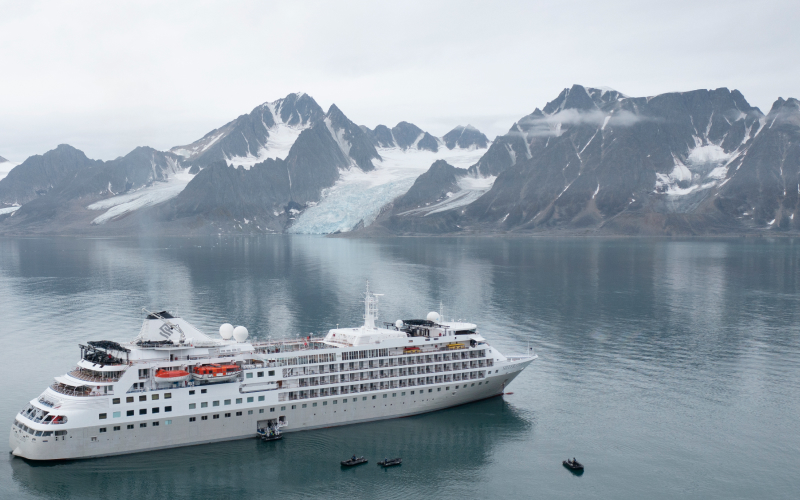
Up to 40% Off Select Voyages Worldwide and Up to Reduced Deposit from 15% with Silversea Cruises
Expires: Sep 8, 2026 View Deal
1. Royal Caribbean Pregnancy Policy
Royal Caribbean’s pregnancy policy prohibits passengers who are more than 23 weeks pregnant at any time during the cruise or CruiseTour.
Show more info
The policy is in place due to safety concerns, as there are no obstetrician/gynecologists available on board, and potential complications are potentially life-threatening without immediate access to specialized medical care. Pregnant guests are required to fill out a Public Health Questionnaire before boarding, confirming that they are not beyond 23 weeks of pregnancy. Guests are advised to contact their travel advisor or Royal Caribbean’s Resolution Agent if they did not meet the requirement. The policy aligns with similar policies of other cruise lines (Seabourn and Norwegian), which restrict pregnancy beyond a certain point, around 24 weeks. The Royal Caribbean highlights the lack of medical facilities and the challenges of receiving specialized care at sea, setting its policy apart from others in terms of emphasizing the risks associated with potential medical complications during the cruise.
2. Carnival Pregnancy Policy
Carnival Cruise Line allows pregnant women to sail, but with a clear restriction.
Show more info
Pregnant passengers must not be beyond their 24th week of pregnancy by the end of the cruise. Pregnant guests are required to provide a medical confirmation from their attending physician to board, which must be obtained through a specific form provided by Carnival. The policy aligns with most other major cruise lines (Seabourn and Norwegian), which similarly restrict passengers who are 24 weeks or further along in their pregnancy. Carnival places a special emphasis on the Zika virus, advising pregnant women to exercise caution when traveling to regions where the virus is prevalent in the Caribbean and parts of Central and South America. Carnival’s pregnancy policy is unique in its proactive approach to Zika, urging pregnant women to consult their healthcare provider before embarking and to take precautions against mosquito bites. The cruise line’s pregnancy policy prioritizes safety, aligning with industry standards, but with a specific focus on minimizing risks for the mother and unborn child.
3. Disney Cruise Pregnancy Policy
Disney Cruise Line’s pregnancy policy is clear and structured for safety reasons.
Show more info
Pregnant guests are allowed to sail as long as they have not entered their 24th week of pregnancy by the embarkation date, and are not permitted to board if they enter their 24th week during the cruise. The rule is strictly enforced, and neither a physician’s medical statement nor a waiver of liability is accepted for exceptions. The onboard health center is equipped to handle many emergencies, but it is not equipped for critical care related to premature deliveries. Disney Cruise Line’s policy is in line with other major cruise lines (Norwegian and Seabourn), which similarly impose a 24-week pregnancy limit. The Disney Cruise Line’s strict non-acceptance of medical waivers or statements adds a level of rigidity compared to some other lines that likely allow more flexibility. Pregnant guests are advised to pay attention to health alerts issued by the Centers for Disease Control and Prevention (CDC) for the Zika virus in specific areas in Latin America, the Caribbean, and Florida.
4. Norwegian Cruise Line Pregnancy Policy
Norwegian Cruise Line’s pregnancy policy specifies that pregnant guests are welcome onboard, provided they have not entered their 24th week of pregnancy by the time the cruise ends.
Show more info
A guest who is 24 weeks pregnant or more at the time of disembarkation is not allowed to sail. Norwegian Cruise Line requires passengers to inform the company of their pregnancy status and request a medical certificate to confirm their fitness to travel. The policy aligns with the general cruise industry standard for pregnancy restrictions, similar to policies seen with other lines (Seabourn and Silversea), which impose a 24-week pregnancy limit. The Norwegian Cruise Line’s policy is straightforward and does not list additional restrictions regarding the health condition of the pregnancy. It differ from policies like some of Regent Seven Seas or Silversea that include specific health requirements or further medical documentation.
5. Silversea Pregnancy Policy
Silversea Cruises has a strict pregnancy policy that prohibits any guest who is in their 24th week of pregnancy or later at any time during the cruise from sailing.
Show more info
The policy is designed to ensure the safety of the mother and child, as there are no obstetricians or gynecologists available on board. Silversea emphasizes that pregnancy (unstable or poorly controlled) is life-threatening without immediate medical backup. Specialized shore-side medical facilities are not readily available since passengers are at sea for several days without easy access to a hospital or specialist care, and the cruise itineraries are outside of the U.S. All guests of the Silversea Cruise are required to sign a health questionnaire at check-in to confirm awareness of the policy. Guests are advised to contact their travel agent or the cruise line directly if they are unable to meet the requirement. The policy is more stringent than some other luxury lines (Regent Seven Seas or Seabourn), which impose pregnancy restrictions but have slightly different cut-off weeks or allowances.
6. Regent Pregnancy Policy
Regent Seven Seas Cruises has a pregnancy policy that restricts passengers who are entering their 24th week of pregnancy by the time their cruise concludes.
Show more info
Expectant mothers who are 24 weeks or more pregnant at the end of the voyage are not permitted to board. The cruise line does not make any claims about the safety of travel during pregnancy, advising passengers to seek medical advice from their healthcare provider before embarking on the cruise. Some countries (the USA and Canada) impose their own limitations on the entry of pregnant women, so passengers are encouraged to check with the relevant embassies or consulates. Regent Seven Seas has a strict cut-off that emphasizes the health and safety of the mother and child, unlike some cruise lines, which likely allow passengers up to 24 weeks. Regent does not explicitly require medical certificates, but travelers are advised to consult their doctor before booking, as some passengers need additional clearance. The policy of Regent Cruise aligns with the general industry approach but is more stringent than other luxury cruise lines (Seabourn), which has slightly different guidelines.
7. Seabourn Pregnancy Policy
Seabourn Cruises has a pregnancy policy that restricts guests who have entered their 24th week of pregnancy by the last day of the cruise.
Show more info
Passengers are advised not to book the cruise or board the vessel in such cases. The policy ensures the safety and well-being of the mother and the unborn child during the voyage. Seabourn has a stricter cut-off, limiting travel to pregnant passengers under 24 weeks at the end of the cruise, unlike some other cruise lines that likely allow passengers up to 24 weeks of pregnancy.
Seabourn’s policy does not explicitly states that pregnant passengers must obtain a medical certificate, but they are required to meet the cruise line’s health and safety standards, similar to other luxury lines that require medical documentation. The policy reflects Seabourn Cruise‘s commitment to ensuring a safe and comfortable journey for all passengers, prioritizing health and safety while maintaining a luxury experience.
8. Explora Pregnancy Policy
Explora Journeys has a clear pregnancy policy in place for its passengers. The official pregnancy cut-off is 23 weeks.
Show more info
Pregnant women who are more than 23 weeks along at any point during their journey are not allowed to board. Pregnant guests are required to seek medical advice before traveling and must provide a medical certificate confirming their fitness to travel. The certificate must be from a doctor and must account for the specific itinerary of the cruise. Explora Journeys reserves the right to refuse boarding to any guest who appears to be in an advanced stage of pregnancy or does not provide the required medical certificate. The policy ensures the safety of the mother and the child during the voyage. Explora Journeys prioritizes the health and well-being of its passengers, but it has a slightly more restrictive cut-off than some other cruise lines, which allow pregnant passengers to travel up to 24 weeks. The necessity of a medical certificate ensures that each passenger’s specific health conditions are considered before travel.
9. AmaWaterways Pregnancy Policy
AmaWaterways follows a strict pregnancy policy for its river cruises, aligning with common industry standards.
Show more info
The official pregnancy cut-off for embarking on their cruises is 24 weeks. Pregnant women are not permitted to board any AmaWaterways river cruises if they are entering their 24th week of pregnancy during the cruise. Medical certificates are required for expectant women under 24 weeks, certifying that the passenger is fit to travel and the pregnancy is considered low-risk. Unique conditions differ depending on the specific cruise and destination, with certain itineraries requiring more thorough health checks. The policy is in line with many other river cruise lines that maintain a similar cut-off at 24 weeks, requiring medical approval for pregnant women who are in their second trimester. The key difference between AmaWaterways Cruise and other cruise lines is the strict adherence to medical documentation, ensuring that safety is a priority. AmaWaterways’ river cruises have more limited medical facilities than ocean cruises, making it more challenging to accommodate expectant mothers after 24 weeks of pregnancy.
10. Amadeus River Cruises Pregnancy Policy
Amadeus River Cruises has specific pregnancy policies that are designed to ensure the safety of the expectant mother and her baby.
Show more info
The official pregnancy cut-off for Amadeus River Cruises is around 24 weeks, meaning that pregnant women in their second or third trimester are not permitted to board the cruise unless they provide a medical certificate from a doctor. The certificate must confirm that the pregnancy is healthy, the woman is fit to travel, and the estimated due date is clearly stated. Amadeus is likely to have other conditions depending on the individual’s health, and they reserve the right to refuse boarding if the pregnancy is deemed high-risk or if the required medical documentation is not provided. The Amadeus Cruises follows a similar approach to other river cruise lines. Other companies do not allow travel after the 24th week without medical clearance being provided. However, Amadeus is diligent in offering a safe environment, and their policies are in line with standard river cruise industry practices, ensuring a smooth experience for expectant mothers who meet the health requirements.
What Policies should Pregnant Women know before Boarding a Cruise?
Policies Pregnant Women should know before Boarding a Cruise are listed below.
- Show more info
Pregnancy Week Restrictions
Cruise lines have a policy restricting travel for pregnant women after 24 to 26 weeks of pregnancy. There is an increased risk of preterm labor and a lack of medical facilities to handle a delivery onboard. Some cruise lines are likely to offer exceptions with medical documentation, but the general rule is that passengers beyond 24 weeks are unlikely to be allowed to embark.
Medical Certificates
A doctor’s note or medical certificate is required for pregnant women traveling beyond their first trimester. The document must confirm that the pregnancy is healthy, the woman is fit to travel, and that the due date is specified. Pregnancies more than 24 weeks are subject to additional documentation requirements, or boarding is refused if the pregnancy is deemed high-risk.
Documentation Requirements
Cruise lines are likely to request that pregnant travelers submit their medical certificate ahead of time, either during booking or at check-in, as part of their pregnancy documentation. Ensure all required paperwork is submitted to avoid complications on embarkation day.
Insurance Considerations
Many cruise lines recommend or require pregnant women to purchase travel insurance that covers pregnancy-related issues, including medical evacuation in case of an emergency.
Safety and Compliance Importance
These policies are in place to protect the mother and the baby, ensuring there is no risk of complications during the cruise. They are designed to ensure that the cruise line safely manages the situation in the event of an emergency. Compliance with these policies helps avoid unnecessary legal or medical complications, and cruise lines are obligated to follow these rules to maintain passenger safety and operational standards.
Can Pregnant Women Go on Cruises?
Yes, pregnant women can go on cruises, but some specific conditions and limitations must be considered. Cruise lines allow pregnant women to travel up to 24 weeks of pregnancy at the time of embarkation or disembarkation. However, some cruise lines are likely to extend it to 26 weeks or allow for notable exceptions with a doctor’s approval. The primary concern for cruise lines is the safety of the mother and the baby, particularly regarding the possibility of preterm labor. Pregnant women are required to provide a doctor’s certificate or approval confirming that they are fit to travel, particularly if they are near or beyond the 24-week mark. The medical certificate ensures that the pregnancy is not high-risk and that the passenger is in good health to travel. The certificate specifies the due date and any specific health considerations that the cruise line must be aware of. Each cruise line has its own pregnancy policy that determines the particular restrictions and allowances, and these policies vary between cruise lines. Some lines do not permit pregnant women to board after a certain number of weeks, while others provide exceptions with prior medical documentation. Pregnant travelers must consult their doctor and the specific cruise line’s pregnancy policy before booking to ensure they meet all the requirements and to guarantee a safe and enjoyable trip.
What is the difference between Cruise Pregnancy Rules and Policies?
The terms “cruise pregnancy rules” and “cruise pregnancy policies” are used interchangeably, but they have distinct meanings. Rules are specific, non-negotiable guidelines that define what is and is not allowed and are enforced for safety reasons. For example, a cruise rules mentions that pregnant women are not allowed to board a cruise if they are over 24 weeks pregnant at the time of disembarkation.
Policies are broader, more flexible frameworks that include rules but allow for exceptions or additional conditions. For instance, a cruise line likely has a policy that requires pregnant women to submit a doctor’s note confirming their fitness to travel, with the option for exceptions based on individual circumstances.
Cruise lines implement cruise rules and policies to balance safety with customer service. Rules ensure consistent and enforceable standards across the board, protecting the passenger and the cruise line from potential health risks. Policies, however, offer flexibility in specific cases, allowing for adjustments based on medical advice or unique circumstances. These help cruise lines manage pregnancy-related travel while minimizing risks and ensuring a positive experience for expectant passengers.
How Pregnant can you be on a Cruise?
You can be up to 24 weeks pregnant on a cruise. The general industry standard for pregnant women traveling by sea is up to 24 weeks of pregnancy. Most cruise lines have a policy that restricts travel for women who are entering their 24th week or more pregnant by the time of disembarkation. The policy is in place to ensure the safety of the mother and the baby, as complications (preterm labor) become more common after 24 weeks. The 24-week limit varies slightly by cruise line, but it provides a balance between allowing safe travel while minimizing the risks associated with pregnancy complications. Women who are in their first or second trimester (up to around 24 weeks) are commonly cleared for travel, as such a period is associated with fewer complications and better energy levels for the expectant mother. Consult with a healthcare provider and check the cruise line’s pregnancy policies before booking any cruise to ensure a comfortable and safe experience.
What are the Vaccine Requirements for different Cruise Lines?
The vaccine requirements for different cruise lines include varying policies based on the specific line and destination, but generally, passengers must be fully vaccinated against COVID‑19 and other routine vaccine‑preventable diseases (measles and rubella) before embarkation. Cruise lines require that the vaccines be completed at least 14 days before embarkation, though some may have longer time frames. These policies differ by cruise line: for instance, Viking Ocean Cruises and Windstar Cruises mandate complete vaccination for all guests, while others like Carnival, Norwegian, and Royal Caribbean likely allow unvaccinated passengers under certain conditions, such as testing or specific itineraries.
Compliance with these vaccine requirements is measured primarily by embarkation (boarding day), although some lines consider disembarkation (the end of the cruise). Cruise lines set a limit on the number of weeks a passenger can be pregnant, with the cutoff typically at 24 weeks by the disembarkation date, meaning that a 30-week pregnant woman is generally not allowed to board. These requirements ensure the safety of both the passenger and the cruise environment. For example, ask questions like, “Can you go on a cruise 30 weeks pregnant?” The answer is no, as most cruise lines do not accept passengers over 24 weeks pregnant at the time of disembarkation due to the risks involved. Consult with a doctor and review the cruise line’s pregnancy policies before booking.
How many Months Pregnant can you Go on a Cruise?
You can go on a cruise until the 6th month of pregnancy, which translates to about 24 weeks or approximately five and a half months. Most cruise lines impose such a restriction, as it marks the threshold beyond which the risk of complications (preterm labor) increases. The reason for such a limitation is due to the lack of medical facilities on board to handle childbirth or complications that are likely to arise during later stages of pregnancy.
Doctors count pregnancy differently, using either the conception date or the first day of a woman’s last menstrual period (LMP) as the starting point. The variation arises because some women ovulate later in their cycle, which tends to shift the actual conception date by several days or even weeks. Some women appear to be further along in pregnancy according to their doctor’s calculations, even if they haven’t yet reached the 24-week cutoff. Expectant women must confirm their due date with their healthcare provider to determine the safest time to travel.
Can you go on a cruise 6 months pregnant?
Yes, cruising while 6 months pregnant (around the 24-week mark) is allowed by most cruise lines, but there are important considerations. The second trimester is nearing an end at 6 months, which is a safe time to travel. The risk of miscarriage or complications (extreme morning sickness) is lower compared to the first trimester, and your energy levels tend to be higher. The 24-week limit is in place because many cruise lines do not allow passengers to travel beyond that time, as the risk of preterm labor increases. The lack of onboard medical facilities capable of handling childbirth means it’s essential to check with the cruise line beforehand. Going on a cruise at 6 months is possible if a pregnant passenger is in good health and their doctor approves the trip.
Can Pregnant Women Cruise in the First Trimester?
Yes, pregnant women can cruise during the first trimester, which spans from the 1st to the 12th week of pregnancy (months 1 to 3). Cruising is not recommended due to the higher risks and the inconvenience many women endure during such a time. The first trimester is marked by symptoms (nausea, fatigue, and heightened sensitivity to motion), making sea travel less comfortable. Motion sickness, which is already common in early pregnancy, is made worse by the movement of a ship, leading to further discomfort. The risk of miscarriage is heightened during the first trimester, making some cruise lines and medical professionals advise against travel during such a time.
Precautions are essential if a pregnant woman chooses to cruise during the first trimester. Staying hydrated, avoiding triggers for nausea, and consulting with a doctor before booking travel are essential steps. Preparing for motion sickness by packing remedies (ginger, anti-nausea bands, or doctor-approved medication) helps manage symptoms. Ensure the cruise line’s medical facilities are well-equipped in case of emergencies, and discuss any concerns with a healthcare provider before setting sail.
Can Pregnant Women Cruise in the Second Trimester?
Yes, pregnant women can cruise during the second trimester, which spans from the 14th to the 27th week of pregnancy (months 4 to 6). The second trimester is considered the most ideal time for sea travel. The risk of miscarriage and preterm birth is lower compared to the first trimester, and many women experience a reduction in symptoms (morning sickness) that are common in early pregnancy during the second trimester. The second trimester brings increased energy levels and an overall sense of well-being, making it a more comfortable time for traveling. Medical professionals recommend such a period for travel, including cruising, as it offers a good balance of minimal risk and optimal health for the mother and baby. However, expectant mothers must consult with their healthcare provider before making any travel decisions if there are preexisting conditions or complications.
Can Pregnant Women Cruise in the Third Trimester?
Yes, pregnant women can cruise in their third trimester. Cruising during pregnancy is permissible up to the 24th week of gestation, but most cruise lines impose strict restrictions beyond such a point due to safety concerns. The third trimester of pregnancy spans from the 28th week to the 40th week, although cruise lines define the threshold for travel as the 24th week of pregnancy, which marks the start of the third trimester. Major cruise lines (Royal Caribbean, Carnival, Celebrity, Disney, Princess, and Oceania) do not permit passengers who are entering their 24th week of pregnancy at any time during the cruise. Some lines (Paul Gauguin and Regent Seven Seas) permit passengers under 24 weeks with a physician’s letter confirming fitness to travel. The restrictions exist primarily due to limited medical facilities on ships, which lack the equipment and personnel to handle childbirth or neonatal care. There is a risk of preterm birth, and deliveries before 24 weeks are considered non-viable, with medical intervention not possible at sea.
The third trimester carries increased maternal health risks (preeclampsia and gestational diabetes), which require immediate medical attention. It is uncommon for cruise lines to accept passengers under 24 weeks with a doctor’s clearance, and many lines do not accept any exceptions. Pregnant women considering cruises must consult a doctor, check cruise line policies, and make plans accordingly, if they’re in their third trimester, as it’s advisable to postpone cruising until after childbirth. Prioritize personal health and safety when planning travel during pregnancy.
How Late in Pregnancy Can You Cruise?
You can cruise up until the 24th week of pregnancy across most cruise lines. The universal industry maximum is set due to the increased risk of complications (preterm labor) after the 24th week. Cruise lines do not allow passengers to sail beyond such a point because ships are not equipped with the necessary medical facilities or staff to handle premature births or complications during childbirth. Cruise lines require a medical certificate stating that the mother and baby are healthy and fit to travel. Cruise lines likely vary with their policies slightly, with specific lines allowing travel up to the 28th week or denying travel earlier, depending on their facilities, while the 24-week cutoff is common. However, safety remains the primary reason for these restrictions, as there is a lack of neonatal care and emergency resources on board during late-stage pregnancies.
What are the Pregnancy Cruise Restrictions?
Pregnancy Cruise Restrictions are listed below.
- Show more info
Weeks of Pregnancy Cut-Off
Most cruise lines do not allow pregnant women who are beyond their 24th week of pregnancy to board. The 24-week cut-off is standard across many lines, as early pregnancy is when the risk of preterm labor increases, and the cruise ship lacks the medical facilities required to deal with complications (childbirth or premature labor).
Medical Certificates
Cruise lines require pregnant passengers to provide a “fit-to-travel” letter from a doctor. The letter must confirm the health of the mother and baby, state the expected due date, and verify that the pregnancy is not high-risk. The certificate must be submitted before booking or at least before embarkation.
Banned Activities (Strenuous)
Cruise lines restrict strenuous activities or shore excursions that involve high physical exertion (hiking, snorkeling) or any activity that involves injury to the mother or fetus. It is relevant for passengers in the later stages of pregnancy, as the body’s increased physical strain likely present complications.
When Can You Not Cruise While Pregnant?
You cannot cruise while pregnant after 24 weeks. Passengers are not allowed to cruise while pregnant after the 24th week. Cruise lines have policies that prevent pregnant women from boarding once they enter their 24th week of pregnancy, due to the increased risks associated with labor and delivery during the cruise. The restriction is in place to protect the mother and the baby, as cruise ships do not have the appropriate medical services to manage childbirth or medical problems that are likely to arise during pregnancy. The risk of premature labor rises, making travel less safe, although cruising while pregnant is considered safe in the early and mid-second trimester, after 24 weeks. Pregnant passengers must consult with their doctor and ensure they meet the cruise line’s requirements (providing a medical certificate confirming the health and safety of the mother and baby). Expectant mothers must ask questions like “when can you not cruise pregnant” to their healthcare provider to identify the risks. Cruise lines do not allow females who are 24 weeks pregnant to board due to safety concerns.
Is it Safe to Cruise While Pregnant?
Yes, it is safe to cruise while pregnant. Cruising while pregnant is safe in the second trimester, when the threats to the mother and baby are lower. Travel is feasible, but it is uncomfortable due to typical early pregnancy signs (nausea, fatigue) and increased risk of miscarriage during the first trimester. Women are more prone to illness and infection during such a period. The pregnancy is more stable in the second trimester (14 to 27 weeks), and most women feel better, making it the safest time to cruise. The risk of miscarriage lowers, and morning sickness tends to subside, which is why many women opt for travel during their second trimester.
The third trimester (28 weeks and beyond) is considered riskier for travel due to the possibility of premature labor and delivery. Cruise lines refuse to board passengers who are 24 weeks or more pregnant. Travel is strongly discouraged if a pregnancy has complications (high blood pressure, gestational diabetes, or multiples). Consulting a healthcare provider is a must to evaluate risks and ensure the safety of the mother and the baby in such cases. Check the specific cruise line’s policies and regulations, as they request a doctor’s letter of fitness to travel in later stages of pregnancy.
What are the Health Considerations for Pregnant Travelers on Cruises?
The Health Considerations for Pregnant Travelers on Cruises are listed below.
- Show more info
Pre-cruise medical clearance and required certificates
Pregnant travelers are required to obtain a medical certificate from their physician stating their fitness to travel. Certificates are necessary for pregnant women past a particular stage (the 24th week).
Access to onboard doctors and limitations of ship infirmaries
The medical facilities on cruise ships are limited, and they are not equipped to handle complex or high-risk pregnancies. Passengers are likely to have to rely on shore-based medical facilities in case of emergencies.
Seasickness and safe medications
Pregnant women must be cautious of seasickness, which worsens nausea during pregnancy. Safe, doctor-approved anti-nausea medications must be used, and pregnant travelers are advised to consult their healthcare providers before taking anything.
Hydration and dietary adjustments
Maintaining hydration and adjusting diet to avoid foods that likely trigger discomfort or complications is essential. Pregnant women must ensure they have easy access to fresh water and safe food options throughout the cruise.
Risks of infections/illnesses in close quarters
Cruise ships have high passenger density, which increases the risk of infections or diseases. Pregnant travelers must take extra precautions (frequent hand washing and avoiding crowded, poorly ventilated areas).
Insurance and evacuation considerations
Having proper health insurance that covers pregnancy-related complications and potential medical evacuation is crucial. Pregnant women must confirm that their insurance policy includes coverage for any health issues that are likely to arise while at sea.
Do Cruise Ships Have Doctors Available for Pregnant Travelers?
Yes, cruise ships have doctors available for pregnant travelers and nurses on board to provide basic medical care. However, note that the medical facilities on cruise ships are limited and only equipped to handle basic emergencies if asking “do cruises have doctors on board?”. Cruise ships do not have the specialized equipment necessary for complex medical procedures like Neonatal Intensive Care Unit (NICU) for newborns or advanced life-saving devices for high-risk pregnancies. The medical staff are capable of addressing common health concerns and emergencies, but they are not equipped to manage childbirth or severe pregnancy complications. Checking the medical facilities available on the cruise before booking is important, especially if pregnant, to ensure that the ship accommodates a passenger’s medical needs during travel. Confirm with the cruise line whether they are capable of accommodating an expectant passenger’s health requirements if they are approaching the later stages of pregnancy.
Do Cruise Lines Require a Medical Certificate for Pregnant Travelers?
Yes, cruise lines require a medical certificate for pregnant travelers, particularly for women who are beyond a particular stage in their pregnancy. A medical certificate is a letter from a physician confirming the expectant mother’s fitness to travel. The certificate must include the doctor’s approval for travel, the estimated due date (EDD), and assurance that the pregnancy is not considered high-risk. The certificate is required to state the number of weeks into the pregnancy to ensure the traveler is within the allowed timeframe, no later than 24 weeks by the time the cruise disembarks.
Cruise lines require the medical certificate to ensure the health and safety of the expectant mother and the unborn child during the voyage. Obtaining the certificate ensures that all passengers are medically fit to travel and that any potential complications have been anticipated, since cruise ships do not have specialized medical facilities for childbirth or high-risk pregnancies. Passengers whose pregnancy extends beyond the allowed weeks or whose medical certificate does not guarantee the passenger’s health and safety are subject to being denied boarding by the cruise line.