- Luxury Cruises vacations
- Planning Your Cruise
- Cruise Port Schedule
Cruise Port Schedule

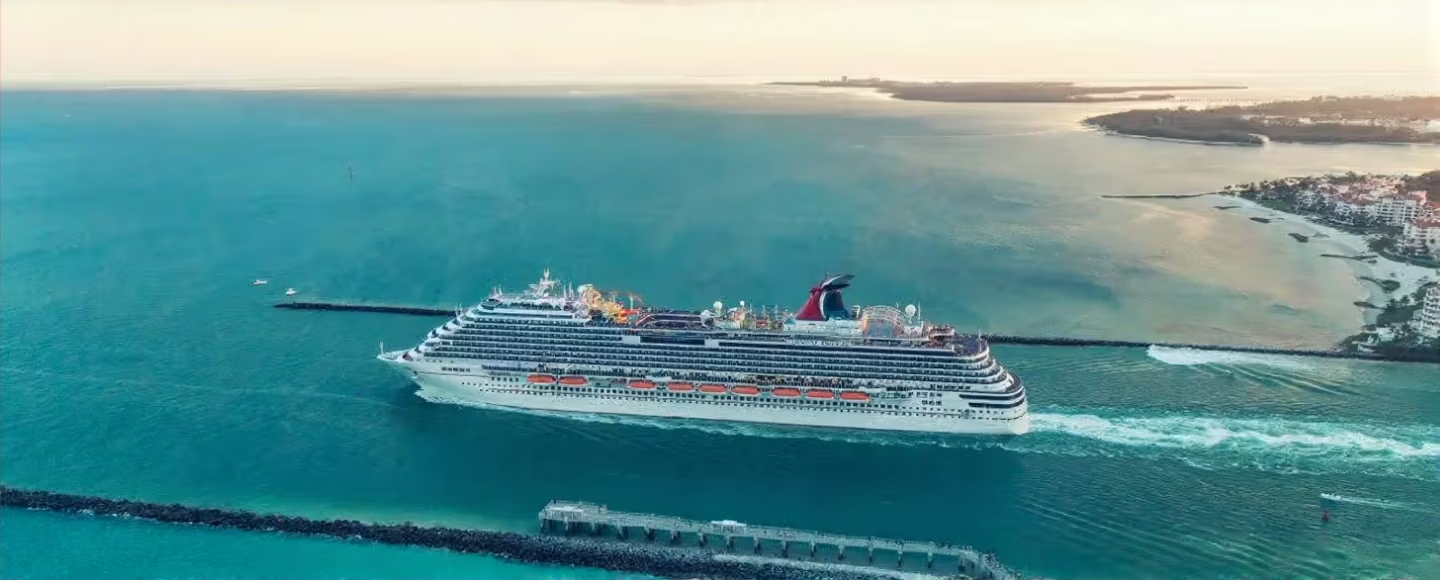
The cruise port schedule indicates the port call duration, ship name, date, and arrival and departure times, which supports accurate coordination of shore excursions and port services. Cruise ship tracker and cruise timetables use real-time or pre-scheduled data to monitor ship positions and estimate port visits. The importance of this schedule lies in its role in managing port traffic, preparing guided tours, and controlling crowd flow. For example, private tour operators check the schedule to arrange morning pickups before crowds build, while local businesses prepare for varying customer volumes based on ship arrivals. Reliable cruise timetables allow vendors and service providers to adjust their daily operations around incoming passenger waves, helping to reduce delays and manage logistics across different locations efficiently.
Why is Knowing the Cruise Port Schedule Important?
Knowing the cruise port schedule is important because it provides accurate information about ship arrivals and departures at specific ports, helping travelers plan activities, transportation, and excursions efficiently. A cruise port schedule is a timetable listing the names of vessels, arrival times, departure times, and berth locations. The cruise port schedule matters for travelers who want to avoid overcrowded tourist areas, secure local tours before demand surges, and time their visits to avoid long queues at landmarks or shops. Independent cruisers align their itineraries with port access, ensuring smoother transitions between land and sea. Understanding port activity in advance supports better time management, local navigation, and a more relaxed travel experience.
The key benefits of knowing the Cruise Port Schedule are listed below.
- Show more info
Plan Shore Excursions Efficiently
Knowing the port schedule helps align activities with docking times, allowing smoother coordination with tour providers. Early planning reduces the risk of missing preferred experiences due to limited availability. It supports a seamless itinerary that contributes to the best luxury cruise experience.
See How Many Other Ships Have Arrived at Port
Understanding how many vessels are scheduled in port reveals crowd levels and potential congestion. The knowledge allows choosing quieter times for sightseeing or adjusting plans to avoid delays. Using a cruise tracker makes it easier to view overlapping ship schedules.
Manage Time Effectively During Port Days
Awareness of arrival and departure times helps travelers make the most of each stop. Knowing how much time is available ensures no rush when exploring local attractions or returning to the ship. Time management helps in maximizing comfort and enjoyment.
Avoid Overbooked Services and Attractions
Ports with multiple cruise ships lead to higher demand for transport, restaurants, and guided tours. Scheduling around busier times allows booking services in advance before they fill up. Fewer crowds improve the quality of excursions and personal space during visits.
Coordinate with Local Events and Seasonal Highlights
Tracking port dates about local festivals or market days creates unique cultural experiences. Avoiding national holidays or off-days ensures access to open shops, museums, and services. A well-timed visit increases satisfaction with the Luxury Cruise experience and allows deeper immersion in the destination.
Improve Onboard and Offboard Transition Experience
Knowing when other ships arrive helps predict boarding delays, tender wait times, and customs lines. Strategic planning reduces stress and waiting periods when entering or exiting the vessel. The result is a smoother, more luxurious transition between ship and shore.
Maximize Value from Shore Time Investments
Awareness of port schedules allows choosing longer-stay ports or overnight dockings when available. Extra time supports relaxed exploration, fine dining ashore, or evening performances. Longer stays often deliver greater return on travel time and costs.
Cruise Port Schedule FAQs
How do Cruise Port Timetables Work?
Cruise port timetables work by listing the scheduled arrival and departure times of every cruise ship expected to dock at a specific port, and the schedules are managed directly by port authorities. Each entry includes key information (ship’s name, cruise line, docking time, terminal assignment, and estimated duration of stay). The details enable port operators to allocate space efficiently, prepare customs and immigration services, and ensure safe docking procedures. It allows local vendors, transportation providers, and tour operators to anticipate passenger volume and adjust their services accordingly.
Travelers use cruise timetables through a cruise tracker or official port websites to coordinate shore excursions, select ideal port days, and avoid overcrowding by checking how many ships are scheduled to arrive. A cruise calendar provides a broader view of cruise ship activity over days, weeks, or months, which supports travel planning during peak or off-peak periods. The tools allow travelers to make informed decisions about excursion bookings, dining reservations, or port-specific experiences. The coordination of port schedules maintains port efficiency and improves the quality of cruise tourism by helping guests avoid delays, long lines, or overbooked tours. Accurate timetable access helps deliver a smoother, more personalized journey onboard and onshore.
How do Cruise Lines Set their Itineraries?
Cruise lines set their cruise ship itineraries by planning routes several years in advance and coordinating with port authorities to secure docking rights based on projected passenger demand, seasonal weather, and logistical requirements. The process begins with analyzing global travel trends and identifying high-interest regions such as the Caribbean, Mediterranean, or Alaska. Cruise planners select ports that match the ship’s technical specifications, including size, draft, and maneuverability, while ensuring efficient turnaround times for resupplying and onboarding. Considerations (fuel efficiency and proximity between ports) influence how the route is mapped, minimizing operating costs and maximizing guest experience. Each cruise ship itinerary includes a mix of sea days and port stops to allow for rest, recreation, and smooth ship operations without overcrowding the schedule.
Cruise lines submit formal reservation requests and pay docking fees to reserve space at terminals, years ahead of the sail date. Competitor offerings, tourism infrastructure, shore excursion potential, and geopolitical stability are considered by cruise lines before finalizing a region’s inclusion. Availability becomes competitive, and earlier booking ensures preferred times and locations in high-demand destinations. Internal departments coordinate onboard services, entertainment programming, and dining operations around the finalized route after port confirmation. The published itinerary is then distributed across cruise websites, travel agents, and marketing campaigns, allowing passengers to compare routes, ship features, and pricing. The planning ensures the cruise experience meets expectations while aligning with seasonal trends, global events, and logistical capabilities.
How do Ports Manage Cruise Ship Arrivals and Departures?
Ports manage cruise ship arrivals and departures by following a centralized schedule controlled by the harbormaster, who directs vessel movement within port waters using real-time communication, radar, and traffic monitoring systems. The harbormaster is the key authority for coordinating the entry and exit of large ships, assigning priority based on factors such as draft requirements, time constraints, and emergency needs. Arrival slots are scheduled down to the minute to avoid traffic conflicts, especially in ports handling several cruise lines at once. Dock assignments are planned months or years ahead, depending on the volume of calls, and adjustments are made in response to weather conditions, mechanical issues, or last-minute delays.
Port operations work closely with onboard crew, customs officials, terminal staff, and local port agents to manage cruise departure times. Departure protocols include final fueling, removal of waste, and loading of late-arriving supplies. Passengers must be accounted for through biometric scans or boarding card verification before the ship receives clearance to leave. Coordination between all departments ensures that vessels vacate their berth on time, allowing space for the next scheduled arrival. The precise control of cruise ship arrivals and departures supports operational flow, minimizes port congestion, and keeps cruise itineraries on schedule, protecting the passenger experience and the port’s reputation for efficiency.
What Time do Cruise Ships Return to Port?
Cruise ships return to port in the early morning, between 6:00 and 8:00 AM, on the final day of the itinerary. The scheduled return allows for an orderly and well-paced disembarkation process, which must accommodate hundreds or thousands of passengers within a limited window of time. The cruise ship schedule ensures that all operational tasks (customs clearance, immigration procedures, and baggage retrieval) are completed on time. Early morning docking gives port staff, ship crew, and service contractors the necessary time to reset the vessel for its next departure, which occurs later the same day.
The disembarkation process begins shortly after the ship is secured at the terminal, with announcements directing passengers by assigned zones or color-coded tags. Guests with early flights or priority disembarkation privileges are guided off first, followed by general disembarkation groups. Porters assist with luggage, while customs officers verify documentation and inspect any flagged items. Crew members remain stationed at various checkpoints to direct passengers, manage delays, and assist with special needs. Returning early helps ensure a smooth transition for travelers departing the cruise and keeps the port’s operations running on time for arriving vessels. The tight coordination supports back-to-back scheduling and promotes punctuality within the broader cruise industry network.
What Are the Typical Cruise Ship Turnaround Times?
Typical turnaround times range from 8 to 12 hours, depending on the ship’s size, passenger volume, and port efficiency. Turnaround time is the period between a ship’s arrival at port at the end of one voyage and its departure for the following itinerary. The window time includes disembarkation of passengers, customs and immigration checks, refueling, restocking of food and supplies, offloading waste, crew changes, safety drills, and preparation for new passengers.
Smaller vessels complete the process within 6 hours, while larger ships (accommodating 3,000 to 6,000 guests) require 10 to 12 hours to complete turnaround tasks without delay. Coordination between port authorities, cruise staff, and service providers ensures the ship remains on schedule and meets the expectations set by the published cruise ship schedule. Delay in turnaround affects boarding times, onboard readiness, and departure from port, which can disrupt the itinerary and impact guest satisfaction.
How is Docking Priority Determined when Multiple Ships Visit the Same Port?
Docking priority is determined when multiple ships visit the same port by deciding which cruise line secured the docking slot first in the cruise ship docking schedule. Port authorities follow a first-come, first-served system where early bookings receive preferred terminal access. Each cruise line submits berth requests years in advance, and once confirmed, the port allocates space based on the requested arrival time, ship size, and required services.
Long-standing agreements between ports and certain cruise operators influence berth (docking) assignment, especially in destinations with limited dock capacity. Docking options for ships depend on how many ships in port during peak days, with vessels either docking at the main terminal or anchoring offshore and using tender service. Ports balance commercial commitments, operational logistics, and passenger safety to manage multiple arrivals while maintaining punctual departures for all vessels.
Recommended Itineraries

Azores, Portugal And Spain

4-Night Halloween On The High Seas Baja Cruise From San Diego

Old World Exploration
What Factors can Affect or Change Cruise Port Schedules?
Show more info
The factors that can affect or change cruise port schedules are listed below.
Weather Conditions
Show more info
Weather conditions affect cruise port schedules by disrupting safe docking, visibility, or navigation. High winds, dense fog, and storms delay arrival or force ships to skip scheduled stops. Port closures due to hurricanes or rough seas require rerouting and adjustment of time slots.
Port Congestion
Show more info
Port congestion occurs when too many vessels are scheduled for the same day, limiting available dock space. Ships anchor offshore and use small boats, while others change ports entirely. Arrival and departure times shift to maintain order and accommodate services.
Mechanical Issues
Show more info
Mechanical issues onboard a ship delay its ability to dock, depart, or maintain scheduled speed between ports. Engine malfunctions, steering problems, or anchor failures cause changes in port timing, affecting coordination with port authorities and reducing time available on land.
Medical Emergencies
Show more info
Medical emergencies involving passengers or crew lead to unscheduled port stops or delayed departures. Ships adjust arrival times at future ports to allow for detours and extra onboard care. The changes disrupt the original schedule and require rapid coordination.
Customs and Immigration Delays
Show more info
Delays with customs and immigration processing slow down disembarkation or boarding. Increased security checks or unexpected inspections hold ships in port longer than planned. The delay impacts the next ship’s docking time and interrupts planned shore activities.
Technical Port Limitations
Show more info
Technical limitations at specific ports (shallow waters, small terminals, or outdated infrastructure) prevent ships from docking. Larger vessels adjust their schedules to visit alternate ports with better capacity. Timing shifts occur to match new arrival windows.
Civil Unrest or Political Events
Show more info
Civil unrest, protests, or political instability at some ports causes cruise lines to modify schedules for passenger safety. Ports are replaced or bypassed to avoid risk. Cruise lines then adjust the entire itinerary to preserve balance between sailing time and port visits.
Changes in Cruise Ship Destinations
Show more info
Updates to cruise ship destinations occur when cruise lines respond to changing demand, seasonal travel patterns, or global events. High-interest cruise destinations replace less popular ports, requiring new scheduling arrangements. The shifts reflect long-term planning adjustments by cruise operators.
Operational Delays at the Port
Show more info
Operational delays at the port, such as slow fuel delivery, cargo handling issues, or staff shortages, affect turnaround time. Ships depart late, causing ripple effects on future stops. Time adjustments ensure coordination across the remaining itinerary.
How Far in Advance are Cruise Port Schedules Released?
Cruise port schedules are released 1 to 2 years in advance, giving cruise lines enough time to market itineraries and allowing travelers to book trips that align with their preferred destinations, vacation periods, and travel goals. The long-term projections are based on early coordination between cruise companies and port authorities, who confirm berth reservations, estimate passenger traffic, and organize support services such as terminal staffing, customs operations, and fuel supply. Each entry in the schedule includes the ship’s name, expected arrival and departure times, and dock assignment, which helps local businesses, transport operators, and tour agencies prepare for incoming visitors. The advance notice supports long-term logistical planning and revenue forecasting for ports that serve multiple vessels per day.
Cruise port schedules are never fixed and are subject to change based on changing conditions. Severe weather (hurricanes or rough seas) causes delays or missed stops, while mechanical issues or medical emergencies onboard might prompt route changes. Unexpected events (labor strikes, geopolitical unrest, or infrastructure failures) lead to last-minute rerouting. Port authorities and cruise line operations teams communicate closely to reassign docking times, modify passenger handling procedures, and issue updated schedules when disruptions occur. The efforts help maintain smooth port traffic and ensure that each ship’s revised plan preserves passenger safety, onboard efficiency, and continuity across the sailing itinerary.
Can Cruise Port Schedules Change at the Last Minute?
Yes, cruise port schedules can change at the last minute due to unexpected disruptions that affect safe navigation or port access. Weather remains one of the leading causes, with storms, strong winds, rough seas, or limited visibility from fog creating unsafe docking conditions. Ships must adjust course or wait offshore until conditions improve when harbormasters deem entry too risky. Mechanical failures (propulsion issues, steering problems, anchor malfunctions, power loss on board) lead to delays in transit or inability to dock as scheduled. The technical interruptions disrupt the flow of operations and force ships to reroute or reduce time spent in port.
Other sudden factors influence last-minute schedule changes, including medical emergencies that require diversions to the nearest port for treatment. Delays at customs or immigration during high-alert periods or in countries with strict entry rules result in extended dock time and ripple effects on later stops. Strikes, labor disputes, or infrastructure failures at ports affect loading, unloading, and passenger movement, prompting ships to alter their plans. Cruise lines coordinate with port authorities to modify itineraries by changing arrival times, canceling visits, or replacing destinations. The adjustments prioritize safety while preserving schedule integrity and minimizing disruption for travelers and local service providers.
How do Local Events or Holidays Affect Cruise Port Schedules?
Local events or holidays affect cruise port schedules by creating surges in visitor traffic, road closures, or port congestion, which lead to modified docking times or changes in berth assignments. Ports that host major festivals, national celebrations, or sporting events experience higher demand for infrastructure and crowd control, prompting cruise operators to coordinate with local authorities for schedule changes. For example, citywide events like Carnival in Rio de Janeiro or Bastille Day in Marseille, ports restrict vehicle access or limit docking space, making it necessary for cruise lines to reroute ships or shift arrival hours.
Holiday-related closures of customs offices, immigration stations, or transportation services affect turnaround operations, extending disembarkation timelines or delaying passenger transfers. Cruise staff must adjust excursion timing or reduce shore visit duration in ports where religious observances include full-day shutdowns. Port officials and cruise operators jointly revise the cruise ship schedule in advance when large-scale events are expected, preserving the travel experience without overwhelming port resources or disrupting local operations to maintain safety and convenience.
Are Cruise Port Schedules Affected by Weather Conditions?
Yes, cruise port schedules are affected by weather conditions, which disrupt docking, departure, and itinerary planning. Rough seas, high winds, hurricanes, dense fog, and storm surges reduce visibility or create unsafe harbor entry, forcing ships to delay arrival, depart earlier than scheduled, or skip the port entirely. Harbormasters close access to terminals or restrict ship maneuvering, prioritizing safety for passengers, crew, and dock workers.
Severe weather impacts marine navigation and shore-side logistics such as excursion operations, ground transportation, and port staffing. Ports located in regions with seasonal storms (Caribbean during hurricane season or Northern Europe in winter) experience more frequent scheduling changes. Cruise operators coordinate with meteorologists and port officials to make last-minute adjustments that preserve itinerary flow while avoiding navigational risks. The decisions ensure port safety while minimizing delays across the broader cruise ship schedule.
How to Use Cruise Port Schedules when Planning a Cruise?
To use cruise port schedules when planning a cruise, follow the four steps below.
1. Book the Shore Excursions
Check cruise port schedules to confirm arrival and departure times before reserving tours. Use the information to select excursions that fit within the available window without risking late return.
2. Manage the Port Crowd
Review how many ships are expected in port to estimate crowd size. Fewer ships mean shorter lines, easier transportation, and better access to local attractions.
3. Plan the travels for Port Days
Match the cruise port schedule with local business hours, transport options, and weather forecasts. The approach supports smoother movement and better use of time ashore.
4. Avoid the Port Overcrowding by Checking Schedules
Use cruise trackers or official port websites to identify high-traffic days. Select itineraries or port visits when fewer vessels are docked to enjoy a quieter experience.
How can Cruise Port Schedules Help when Booking Shore Excursions?
Cruise port schedules can help when booking shore excursions by providing a reliable guide for planning activities for exact docking and departure times. Cruise Passengers identify how long the ship remains in port thanks to Cruise Port Schedules. Shore tour participants reduce unnecessary stress or the risk of missing the final boarding call by knowing their available timeframe. Luxury cruise travel agencies like Luxury Cruise Connections (LCC) align their services with the schedules, customizing pickup times, transportation, and activity duration to match the ship’s stay. The alignment contributes to operational reliability and helps avoid delays that result in missed itineraries or additional fees.
Cruise tour operators rely on port schedules to deliver premium, well-timed shore excursions that minimize peak crowds and logistical complications. For example, shore excursions include landmark access and private dining scheduled ahead of large cruise groups. Operators adjust timing and routes to avoid congestion and improve the experience by tracking daily ship arrivals. Cruise line passengers who follow port schedules enjoy more sightseeing and smoother, well-timed excursions.
Are Cruise Ship Trackers Accurate for Monitoring Port Arrivals?
Yes, cruise ship trackers are accurate for monitoring port arrivals in real time. A cruise ship tracker relies on Global Positioning System (GPS) and AIS (Automatic Identification System) technology to display the live position, speed, heading, and estimated time of arrival for cruise vessels. The data is transmitted from the ship to satellite networks, allowing viewers to follow the ship’s progress as it navigates open waters or approaches a destination. The trackers are used by travelers, port staff, tour providers, and family members waiting for passengers to return, offering a dependable way to monitor the ship’s movements.
Real-time tracking does not replace the need for official cruise port schedules. Port authorities publish detailed cruise calendars that include docking times, ship names, berth assignments, and expected durations of stay. The documents help coordinate customs clearance, shore excursion logistics, port traffic, and security services. Cruise ship trackers update continuously as ships move, but published schedules reflect the port’s planning and logistical commitments. Using both sources in tandem allows for more precise planning, especially when verifying time-sensitive activities like shore excursions, embarkation procedures, and transport arrangements linked to specific port calls.
How often is the information on a cruise ship tracker updated?
The information on a cruise ship tracker is updated every few seconds to several minutes, depending on the ship’s transmission settings and satellite reception quality. Ships equipped with AIS transmit signals at regular intervals, which are received by satellites or nearby ground stations and relayed to tracking platforms. The signal coverage near ports and coastal areas tends to be stronger, so updates near open oceans experience slight delays. The near-real-time updates allow users to monitor location, speed, direction, and estimated arrival with reasonable accuracy during most of the voyage.
Recommended Itineraries

Christmas Markets On The Rhine

11 Night Great Barrier Reef Cruise